Compliance with NR-15 in automotive industrial painting This is a crucial factor for companies seeking to protect the health of their employees and avoid labor liabilities. Daily exposure to paints, varnishes, and solvents can generate serious risks if tolerance limits are not respected. This practical guide addresses the essential steps for regulatory compliance, focusing on reducing hazardous conditions and implementing a safe and productive work environment.
What does NR-15 say about the hazardous working conditions of paint operators?
To formalize this condition, it is essential to draw up a document. Technical report on hazardous working conditions for automotive painting.. This document, issued by a safety engineer or occupational physician, substantiates environmental measurements and guides the necessary corrective measures. Without an up-to-date report, the company is vulnerable to fines and lawsuits.
How can we reduce unhealthy working conditions in practice?
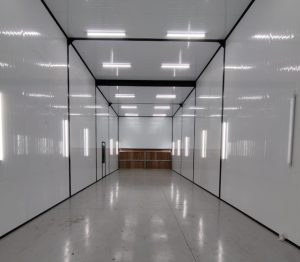
Ventilation and exhaust in paint booths
Controlling exposure to solvents
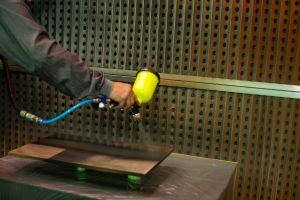
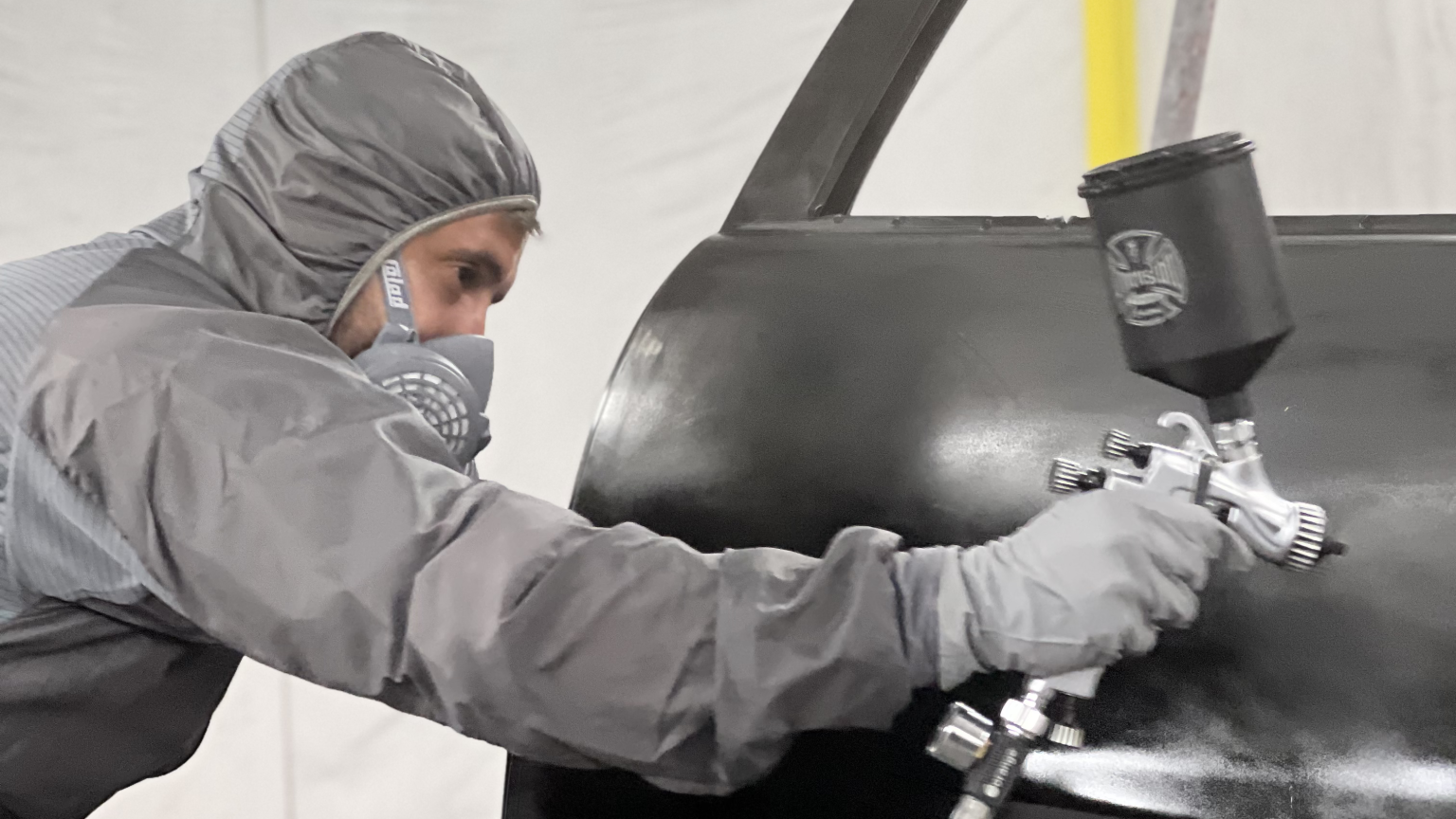
In addition to infrastructure, the choice of high-efficiency equipment, such as paint guns with advanced atomization technology, it contributes to the reduction of overspray. Administrative measures, such as rigorous organization of the environment (organizing a preparation room, for example), are also crucial to keeping exposure levels below critical limits.
Essential PPE for painting operators according to NR-15.
- Respirators with chemical filters: Specifically designed for organic vapors and with tested seals;
- Solvent-resistant gloves: Nitrile or chemical-specific models, preventing rapid degradation;
- Waterproof overalls and facial protection: To avoid skin contact with mists and splashes.
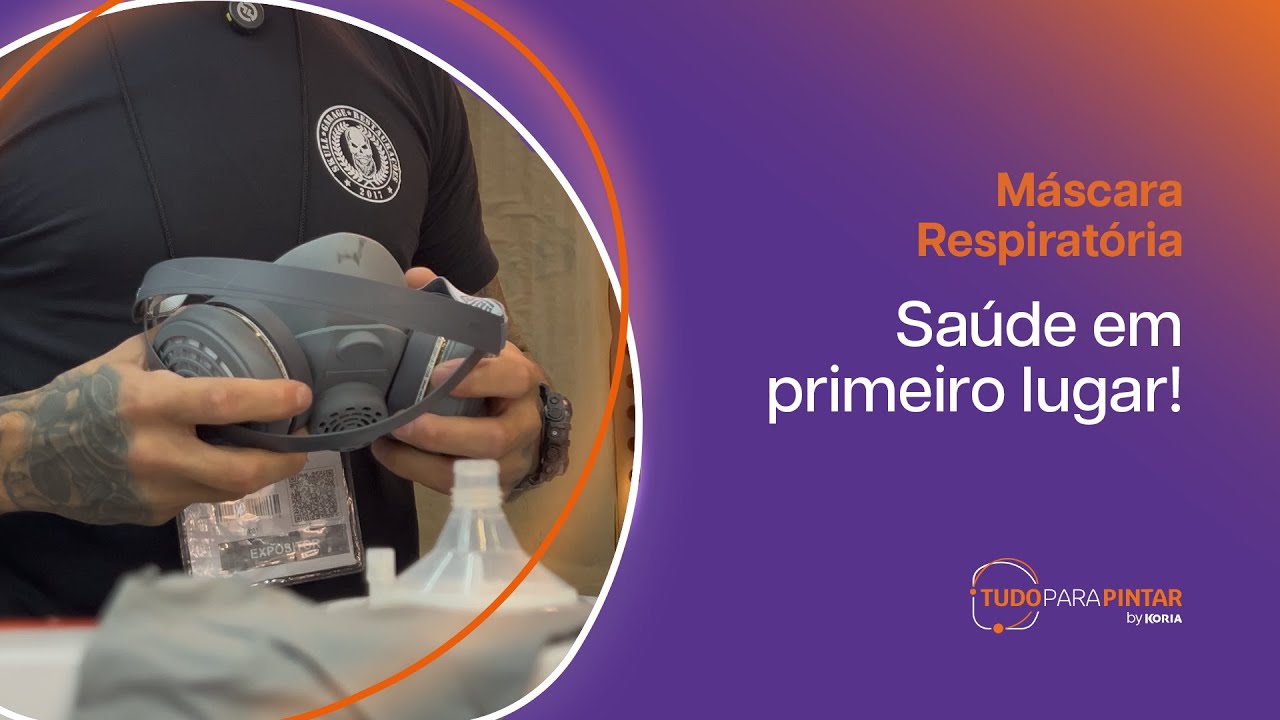
Practical training on the use, adjustment, and sanitization of this equipment is vital to ensure that protection is real and not just on paper.
NR-15 Compliance Checklist
- Preventive maintenance of the exhaust system and filter replacement recorded;
- Completed PPE (Personal Protective Equipment) records and documented safety training;
- Warning signs and proper labeling of chemical products.