Complete guide to setting up an industrial painting line from scratch, with step-by-step project and list of essential equipment.
Setting up an industrial painting line from scratch requires careful planning, the right choice of technologies, and attention to safety standards. A good design reduces rework, paint waste, and production downtime. In this comprehensive guide, you will see step-by-step how to structure the layout, define processes, compile the equipment list, and estimate the cost of setting up an efficient and safe industrial painting line.
Understanding the types of industrial painting systems
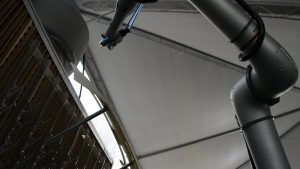
Before setting up an industrial painting line from scratch, it's essential to understand the different types of industrial painting systems and when to use each one. The main ones are... liquid paint Liquid painting is suitable for complex parts, low to medium production runs, and the need for varied finishes. It can be applied using conventional spray guns, airless sprayers, airmix systems, powder coating (electrostatic), and automated systems with robots. powder coating It offers high productivity, excellent mechanical and chemical resistance, with greater material reuse and less environmental impact. In high-volume lines, automation with automatic guns and robots ensures repeatability, less film thickness variation, and better quality control in industrial painting. Evaluate the product mix, daily volume, finishing requirements, and investment limits to select the ideal system. Thus, the complete step-by-step guide to designing an industrial painting line begins with choosing the right technology, avoiding undersizing or excessive spending on unnecessarily complex solutions.
Project planning and paint line layout
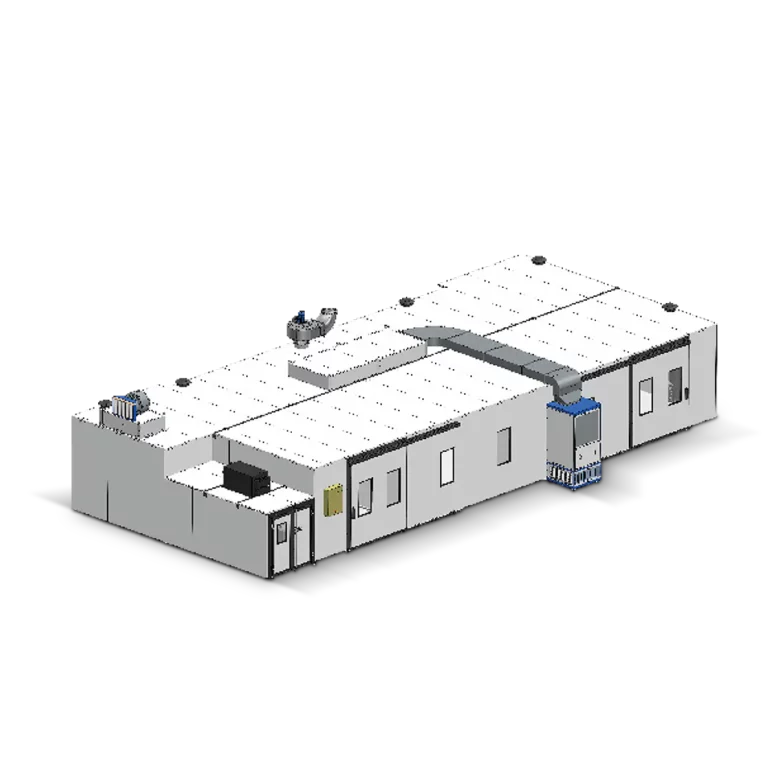
For a Complete step-by-step guide to industrial paint line design., The second point is detailed production flow planning. Start by mapping the part's journey from reception, surface preparation, application, and curing to inspection and shipping. Define the type of part transport, such as overhead monorail, floor conveyors, manual jigs, or roller tables, according to weight, dimensions, and production rate. The layout should reduce unnecessary movements, flow crossings, and stock accumulation points, always respecting safety standards for industrial painting lines and emergency exits. Consider specific areas for storing flammable paints, paint preparation, maintenance, and quality control laboratory testing. Use an industrial painting line design and installation checklist to verify ventilation, access, usable building height, and possible future expansions. A good layout is crucial for energy efficiency, operator ergonomics, and ease of maintenance of industrial painting equipment.
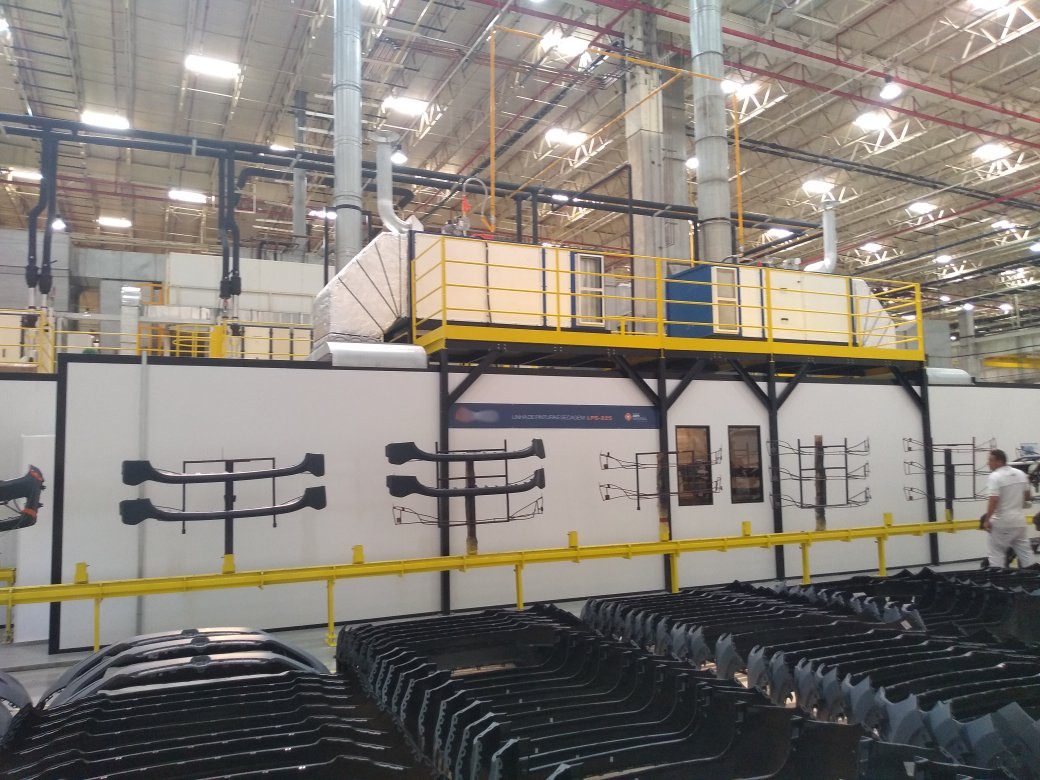
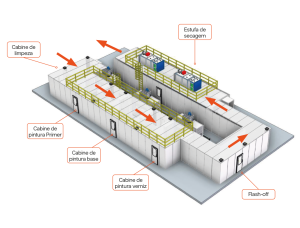
A good example of a paint line designed for the client's needs is our Faurecia case study. The company is a Fiat subsidiary in Goiana/PE and approached us to establish a new paint department that would improve the quality of the finish and increase line productivity with minimal external contact during parts drying. As a solution, we designed an integrated line for cleaning, three coats of paint (primer, base coat, and clear coat), flash-off, and drying, ensuring a linear process flow. The cleaning area, like the others, is pressurized with a downward airflow to prevent the dispersion of particles into the subsequent painting environment.
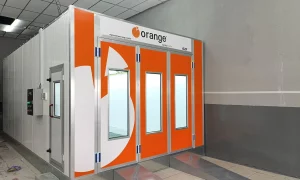
For this project, we developed a sequence of three wet-process booths focused on the simultaneous application of primer, base coat, and clear coat—an ideal configuration for optimizing productivity. After painting, the parts are conveyed to the flash-off area via an automated rail, eliminating the need for an operator to move parts from one stage to another. Thus, after the flash-off, the parts are conveyed to the oven without any external contact, promoting finish quality and reducing rework.
Exhaust system sizing and safety standards
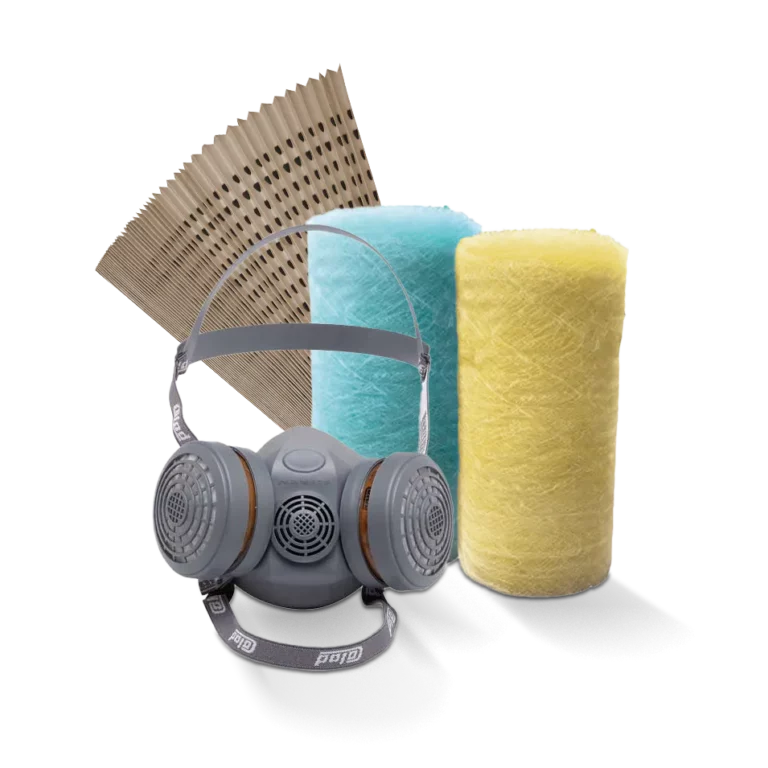
One of the most critical aspects of setting up an industrial paint shop from scratch is how to design exhaust and filtration systems in industrial paint booths. The ventilation design must ensure adequate air velocity in the spray zone to capture overspray, following manufacturer recommendations and technical standards. Exhaust systems need to include dry filters or water curtains, correctly sized ducts, fans compatible with potentially explosive atmospheres, and chimneys with the necessary height for proper effluent dispersion. safety standards for industrial painting lines This involves area classification, equipment grounding, fire protection, flammable solvent detectors, and the use of PPE (Personal Protective Equipment). Case studies show that exhaust system failures increase suspended particles, raising the risk of explosions and contamination of the finish. Therefore, always include a safety engineer or specialized consultant in the design phase, validating the design and installation checklist for the industrial painting line before plant commissioning.
List of equipment for a complete industrial painting line.
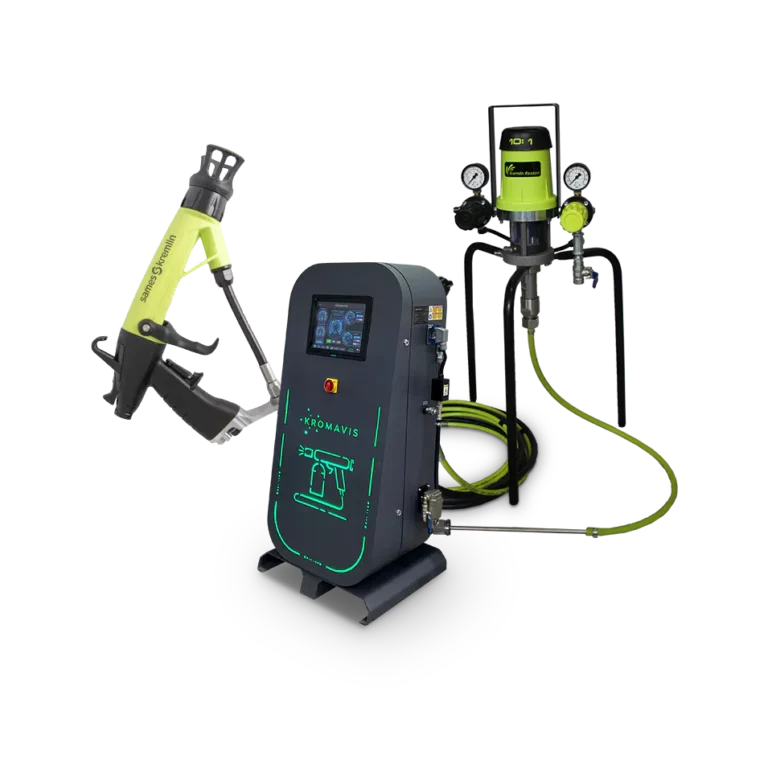
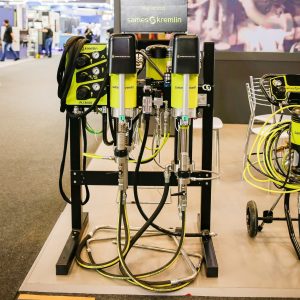
THE List of equipment for a complete industrial painting line. The requirements vary depending on the type of part, paint, and level of automation, but some items are practically universal. For surface preparation, consider spray washers, phosphating systems, abrasive blasting, washing booths, and drying ovens. In the application area, you may need pressurized industrial paint booths, manual spray guns, automatic spray guns, airless pumps, control panels, and, for powder coating, electrostatic spray guns, cyclones, and feeding hoppers. Include gas or electric curing ovens with multi-zone temperature control, transport systems (monorails, roller conveyors, or skids), paint preparation tanks, and agitation systems. Don't forget quality control equipment such as film thickness gauges, salt spray chambers, gloss meters, and adhesion instruments. When searching for suppliers and manufacturers of industrial painting equipment in Brazil, compare energy performance, after-sales service, parts availability, and the possibility of integration with process monitoring and data collection systems for continuous improvement.
Costs, efficiency, and quality control of the painting line.
To know How much does it cost to set up an industrial painting line? It depends on the degree of automation, plant size, and performance requirements. Basic projects with manual booths and simple ovens can start with smaller investments, while automated lines with complete pre-treatment, automated transport, and advanced control can represent investments of millions of reais. However, the total cost of ownership includes energy consumption, paint costs, overspray loss, maintenance shutdowns, and rework due to paint defects. Best practices for efficiency and quality control in industrial painting. This includes standardization of application parameters, operator training, humidity and temperature monitoring, as well as daily inspection checklists for filters, nozzles, and ovens. Many companies use indicators such as paint line OEE, first-pass approval rate, and paint consumption per piece to evaluate results. KORIA, as a technology partner, can support and execute the definition of layout, specification of booths, ovens, and exhaust systems, connecting the project to the productivity and quality objectives of your industry – in addition to training on the operation of filters and accessories for everything your painting process needs.
Conclusion
Building an industrial painting line from scratch requires an integrated process vision, from choosing the type of painting system to sizing the exhaust system and defining the equipment list. A complete step-by-step guide to industrial painting line design helps reduce risks, optimize investments, and ensure compliance with safety and quality standards. Want to see more case studies of clients where Koria delivered a complete industrial painting line? Visit our case studies page.