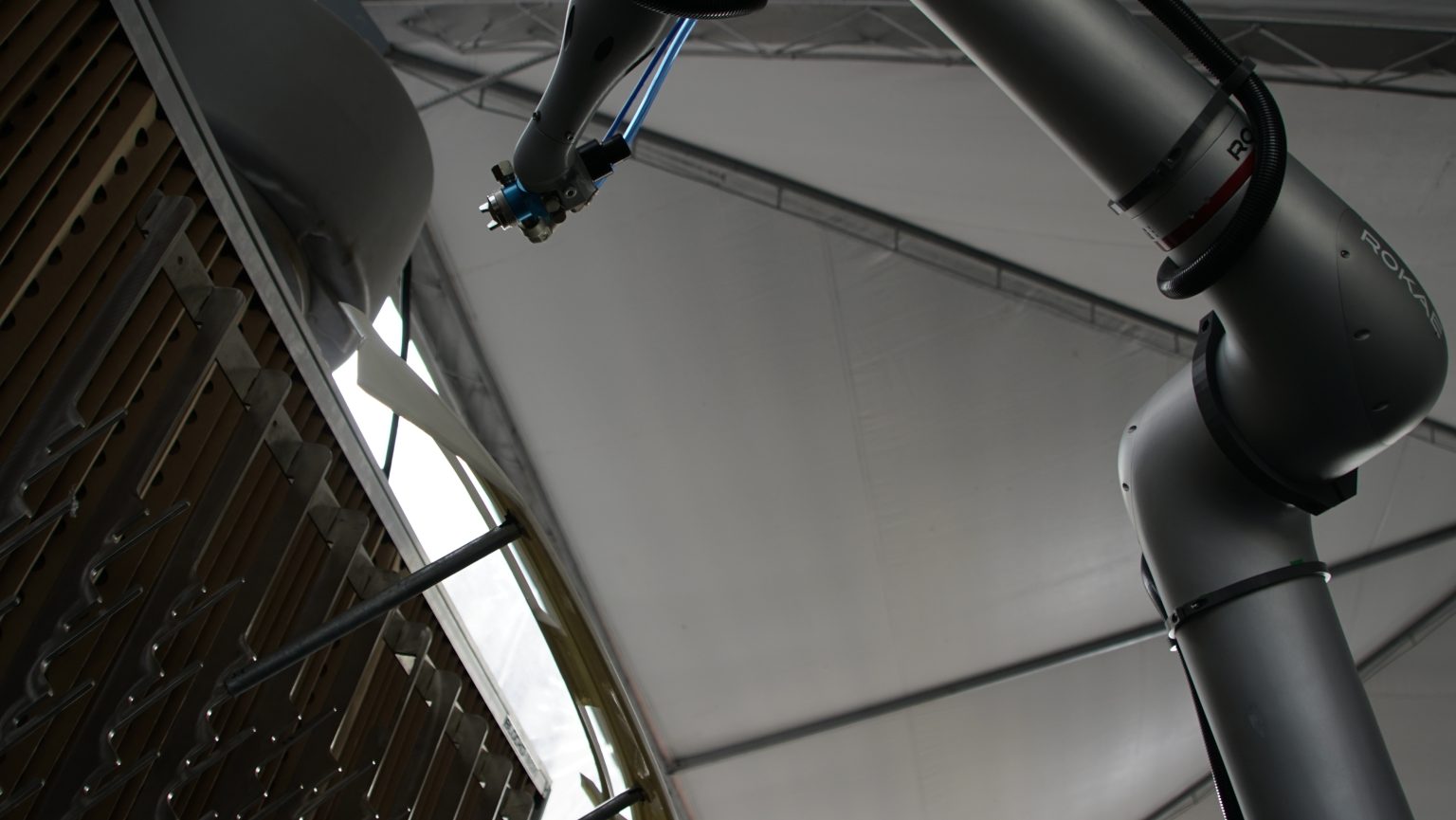
Have you ever stopped to calculate how much wasted ink and rework impact your cost per square meter? In today's industrial landscape, where competitiveness is dictated by operational efficiency, automation of the painting process It has ceased to be a luxury and has become a strategic necessity.
This central theme opened the first season of KoriaCast, This is Koria's new podcast, where industry experts discuss the future of industrial painting. To delve deeper into this debate, we've compiled the key insights from the inaugural episode, offering technical perspectives on how to transform your production line.
Why automate now?
Beyond fluidity, the impact on input consumption is a game-changer. According to Martins, the market is increasingly attentive to performance metrics. “I’ve seen automation happen, including with very large gains in reducing paint consumption. Today, the more tech-savvy customer is even measuring how much a square meter painted costs. Whatever level of investment they want, they will always get a return, they will have a cheaper square meter painted,” he concludes.
Far beyond the robot: The tip of the iceberg
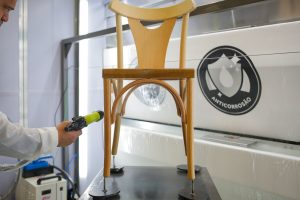
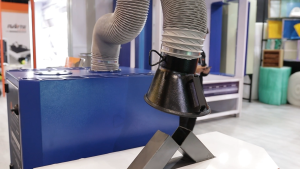
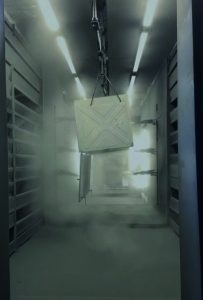
Node KoriaCast, Longhi explained that true automation encompasses variables that often go unnoticed. “What people immediately think of is a robot applying paint. But that's just the tip of the iceberg. The automated painting process encompasses all the variables: from the paint or air flow rate, the application speed, to the environment, which includes the paint booth, drying oven, and parts handling,” he explains.
For the investment to bring the repeatability As expected, it is essential that all these items are integrated in real time. "Everything has to be perfectly matched at all times," Longhi emphasizes, highlighting that constant computer monitoring is what ensures that the quality of the first piece is identical to that of the thousandth.
Strategic benefits of industrial automation
- Drastic Reduction of Waste: Precise control of the applied paint layer, avoiding... overspray;
- Safety and Ergonomics: Keep operators away from environments containing mists and solvents;
- Standardization: Guarantee that products manufactured in different units maintain the same standard of finish required by the global market;
- Sustainability: Less ink waste means less waste generation and a smaller environmental impact.