Lubrication is one of the most important maintenance processes within a company. It is responsible for preventing various problems, such as friction and wear, that can occur in machines and equipment. However, to perform good lubrication, it is necessary to know which types of lubricants are ideal for each part. Let's learn a little more about the types of lubricants and the importance of lubrication in preventive maintenance.
The importance of lubrication
In a factory environment, machine and equipment lubrication is one of the most important maintenance activities to be performed. Lubrication ensures reduced shocks between parts, reduced corrosion, and better temperature control. With proper lubrication, it is possible to increase the lifespan of equipment, ensuring greater productivity, less friction, and better cleanliness.
However, to perform lubrication correctly, it is essential to know which type of lubricant is indicated for a particular machine or piece of equipment. This information is provided by the manufacturer, who can give you the main characteristics of the ideal lubricant.
Therefore, lubricants can be classified in several ways, the main ones being by their physical state or their composition. Let's learn a little more about each one:
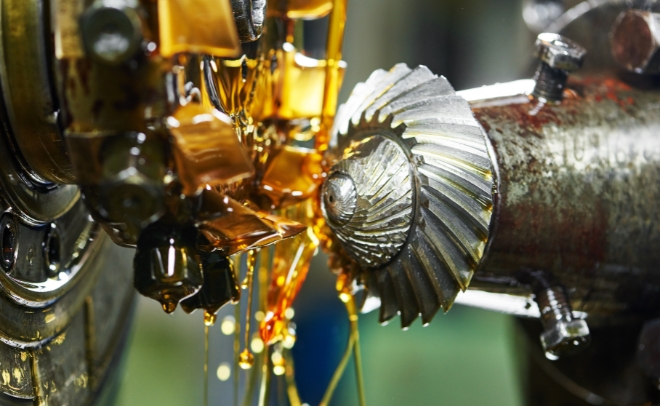
Liquid lubricants
These are among the most widely used lubricants due to their load-carrying capacity and high speed. This type of lubricant reduces friction between parts and has low viscosity, which means that its change interval is shorter.
Solid lubricants
These types of lubricants are used in extreme temperature conditions, as they are resistant to temperatures exceeding 500°C. The most common types of these lubricants are graphite, zinc oxide, talc, mica, and molybdenum disulfide.
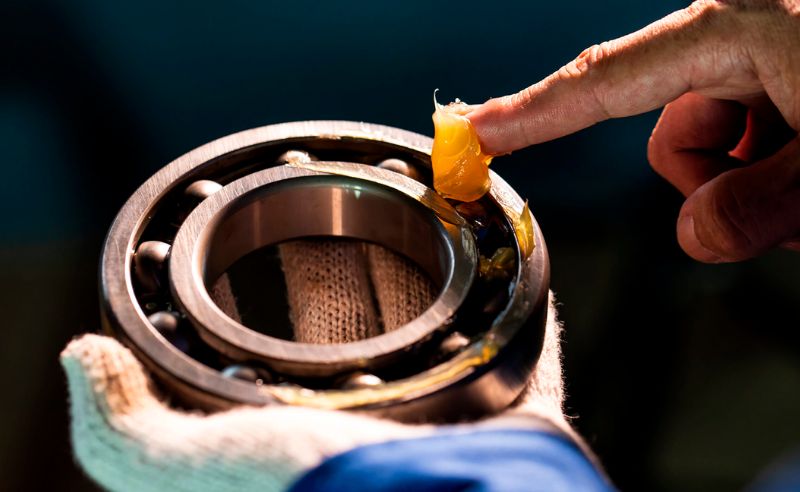
Paste lubricants
These lubricants are also known as greases. They are somewhere between liquid and solid, therefore possessing properties common to both types, making them suitable for various types of equipment and tools.
Gaseous lubricants
These lubricants are used in special cases and are therefore rarely employed, in situations where extremely thin lubricating films are required. They are most often composed of nitrogen and helium gases.
Mineral lubricants
Produced from crude oil, these lubricants are considered cheaper; however, their properties are more limited, which increases the need for frequent changes. This type of lubricant has a greater temperature variation and contains more impurities than other similar compounds.
Synthetic lubricants
This type of lubricant is produced from refined petroleum. They produce a more stable viscosity and a lubricating film that is more resistant to pressure, and for this reason they tend to be more expensive.
Semi-synthetic lubricants
Produced as a mixture of the two previous types, this lubricant has intermediate characteristics of its composition, and therefore can be a good alternative in terms of value and performance.
Other important factors to consider when purchasing a lubricant include knowing the additives that complement its composition, such as detergents, anti-corrosives, antioxidants, and anti-foaming agents, which are important for the quality and effectiveness of the lubricant.
Did you like this post? Share it with your friends or on social media. For more tips on painting and its equipment, visit our blog with exclusive content.