Often overlooked, pre-treating the surface of areas to be painted is one of the fundamental steps in a painting process. After all, a damaged surface can impact not only the quality of the paint job, but also its lifespan.
In the case of bus painting, one of the most important steps in this preparation is chemical pre-treatment, a set of processes that will ensure a quality surface before receiving the paint.
Next, we will discuss in more detail what chemical pre-treatment is and its importance in bus painting, as well as its main stages in achieving unparalleled paint quality.
What is chemical pretreatment?
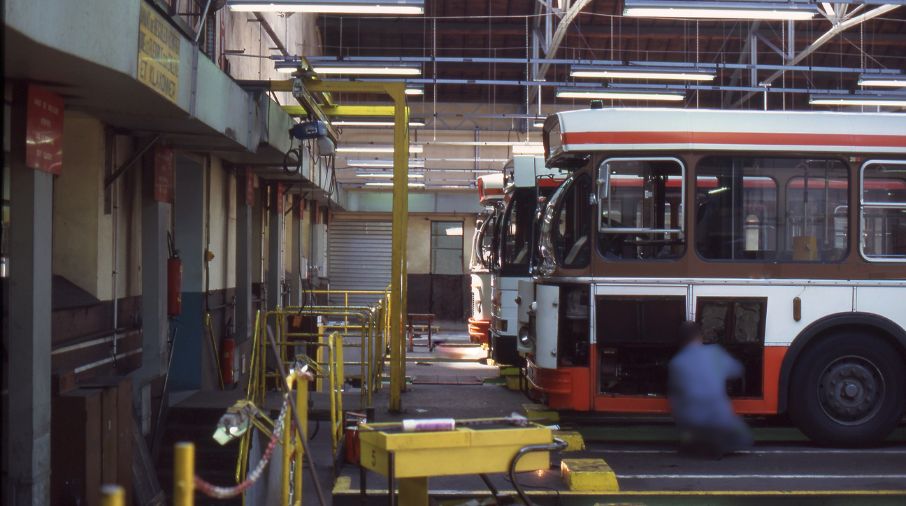
Chemical pre-treatment in bus painting is a process that prepares the vehicle's surface before paint application, ensuring proper adhesion, durability, and corrosion resistance. This process generally includes three main steps: degreasing, deoxidation, and phosphating. Let's learn more about these processes.
Degreasing
This is the first stage of chemical pre-treatment and involves removing any dirt, grease, oil, or contaminants present on the bus surface, as these contaminants can impair paint adhesion if not properly removed. Degreasing is generally performed using specific detergents or solvents that dissolve and remove impurities from the surface, ensuring that the surface is clean and ready for subsequent stages of the pre-treatment process.
Deoxidation
The deoxidation step is used to remove any oxidation or corrosion present on the bus surface, as oxidation can occur on metal surfaces exposed to air and moisture, resulting in the formation of metallic oxides. This step involves the use of deoxidizing chemicals that react with the oxide layer, converting it into a substance that can be easily removed.
Phosphating
Phosphate is a chemical compound that reacts with metal, forming a layer of metal phosphate on the surface. This phosphate layer helps improve paint adhesion, providing a more uniform and corrosion-resistant surface. In addition, phosphating can also help protect the bus surface against rust and other types of corrosion.
The correct choice of chemicals and pre-treatment processes is fundamental to ensuring a high-quality and durable paint finish on buses. Different types of metals and surface materials require specific pre-treatment approaches. For example, aluminum alloys may react differently to chemicals compared to galvanized steel. Inappropriate product selection can result in surface damage or poor paint adhesion.
Benefits of chemical pretreatment
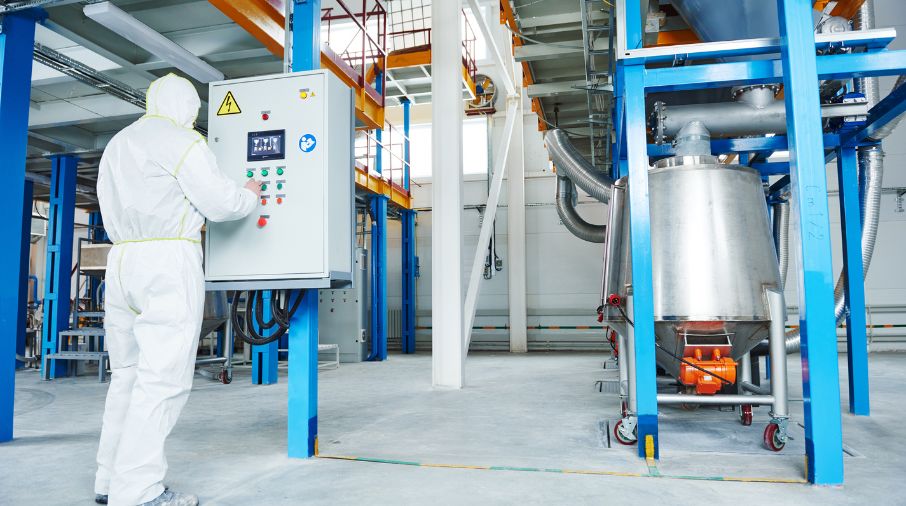
Improved ink adhesion
Chemical pretreatment provides a clean, contaminant-free surface, which is essential to ensure proper paint adhesion. By removing dirt, oil, grease, and other residues from the metal surface, pretreatment creates a solid base for the paint to bond to.
This practice significantly reduces the risk of paint peeling over time, providing a more stable and durable coating layer. With improved adhesion, the bus paint can better withstand exposure to the elements, such as rain, sun, pollution, and abrasion, maintaining its integrity for a longer period.
Increased paint lifespan
By ensuring strong paint adhesion to the bus surface, chemical pre-treatment directly contributes to increasing the paint's lifespan. Better adhesion means the paint is less susceptible to damage caused by adverse weather conditions, mechanical impacts, or prolonged sun exposure.
The result is a paint job that retains its color, shine, and integrity for longer, reducing the need for frequent touch-ups or repainting. With an extended paint lifespan, bus owners can save money in the long run by avoiding the costs associated with premature paint maintenance and replacement.
Improved paint appearance
Chemical pre-treatment not only promotes superior paint adhesion but also contributes to a more attractive appearance of the bus paintwork. By removing surface contaminants and creating a uniform base, pre-treatment helps prevent defects such as bubbles, stains, or peeling, which can compromise the vehicle's aesthetics.
As a result, a smoother, more uniform, and brighter paint job is achieved, enhancing the overall appearance of the bus and conveying a professional and well-maintained image. With high-quality paint, buses can make a more positive impression on passengers and the general public, strengthening the company's image and brand.
Cost reduction
In addition to improving the quality and durability of the paint, chemical pre-treatment can also lead to a significant reduction in bus maintenance and repainting costs. By creating a solid base for the paint and extending its lifespan, pre-treatment helps minimize the need for frequent touch-ups or complete repainting of the vehicle.
Furthermore, a high-quality and durable paint job can increase the resale value of buses, providing a better return on investment in the long term. Thus, chemical pre-treatment not only improves paint integrity but also offers tangible economic benefits, contributing to the operational and financial efficiency of transport companies.
Good practices in the application of chemical pretreatment.

Personal protective equipment
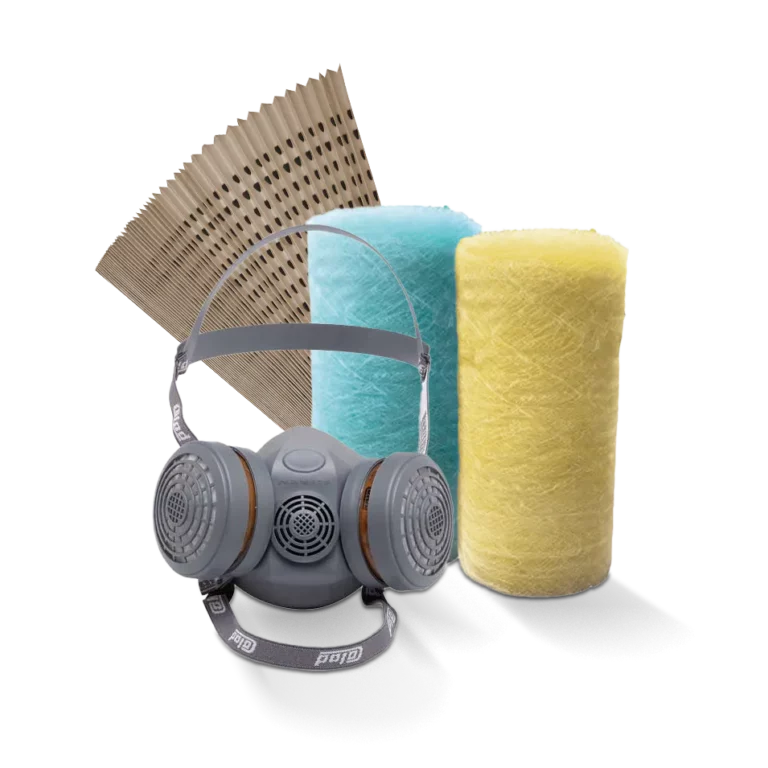
The use of Personal Protective Equipment (PPE) is essential during the application of chemical pre-treatment. This includes items such as gloves, safety glasses, respirators, and appropriate protective clothing. This PPE helps protect workers from exposure to aggressive chemicals present in pre-treatment products, thus reducing the risk of skin irritation, chemical burns, or eye damage. Furthermore, the proper use of PPE also contributes to compliance with workplace health and safety regulations, ensuring a safe working environment for everyone involved in the bus painting process.
Adequate ventilation
Proper ventilation is essential to ensure worker safety and work quality during chemical pretreatment. This involves installing effective ventilation systems, such as exhaust fans and localized ventilation systems, to remove harmful vapors and gases from the work environment. Adequate ventilation helps prevent the accumulation of toxic vapors in the air, thus reducing the risk of workers inhaling harmful chemicals. Furthermore, good ventilation can also improve the effectiveness of the pretreatment process by ensuring a uniform distribution of chemicals on the bus surface.
Waste treatment and disposal
Proper treatment and responsible disposal of waste generated during the chemical pretreatment process are vital to minimizing environmental impacts and protecting public health. This includes the safe collection and storage of liquid and solid waste in appropriate containers, as well as compliance with local and environmental regulations related to the handling of hazardous chemicals. Responsible waste management not only protects the environment but also avoids legal penalties.
Training of professionals
Proper training of professionals involved in the application of chemical pretreatment is crucial to ensure the safety, effectiveness, and quality of the process. This includes providing specific training on the chemicals used, safety procedures, proper equipment handling, and emergency identification and response.
Conclusion

By following best practices, such as thorough surface cleaning, contaminant removal, and careful application of pre-treatment chemicals, applicators can ensure a clean, smooth, and even surface for paint application. This results in a high-quality paint job with vibrant colors and a long-lasting finish.
Proper surface preparation through pre-treatment significantly contributes to paint durability. By removing oxidation, grease, and other impurities from the surface, and by promoting effective paint adhesion, good pre-treatment practices help prevent problems such as peeling, flaking, or premature fading of the paint.
Adopting good pre-treatment practices also contributes to the operational efficiency of the painting process, minimizing waste and rework, and reducing the time required to prepare the surface and apply the paint.
Good pre-treatment practices not only ensure high-quality results but also promote environmental sustainability. This includes the responsible use of chemicals, proper waste disposal, and minimizing the environmental impact of the painting process.
THE Aspersul We offer complete solutions for painting complex and large structures such as buses, as well as projects for effective pre-treatment. Creating special projects that meet all types of needs, our professionals have the experience to provide the best response in terms of painting and vacuuming.
Did you like this post? Share it with your friends or on social media. For more tips on painting and its equipment, visit our blog, always with exclusive content.