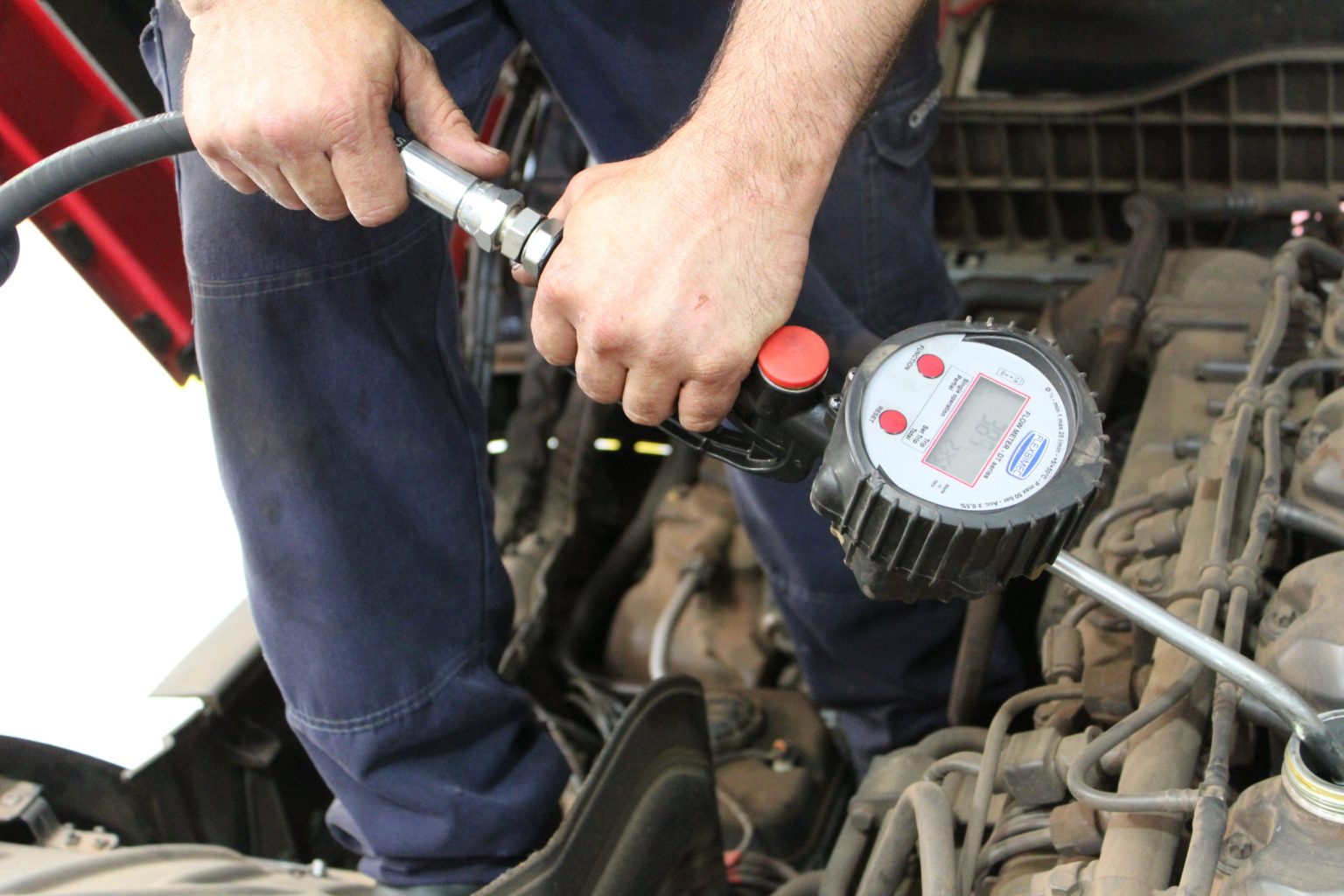
For a company that values productivity, one of the actions that should receive special attention is preventive maintenance. It allows for the creation of procedures to extend the lifespan of machinery, preventing problems and consequently production downtime.
One of the processes that deserves special attention in preventive maintenance is the lubrication of machinery and equipment. Through this action, the company will avoid a series of problems that may occur in the future and that could disrupt the entire production chain. Let's learn a little more about the importance of lubrication in machinery and equipment.
Preventive maintenance vs. corrective maintenance
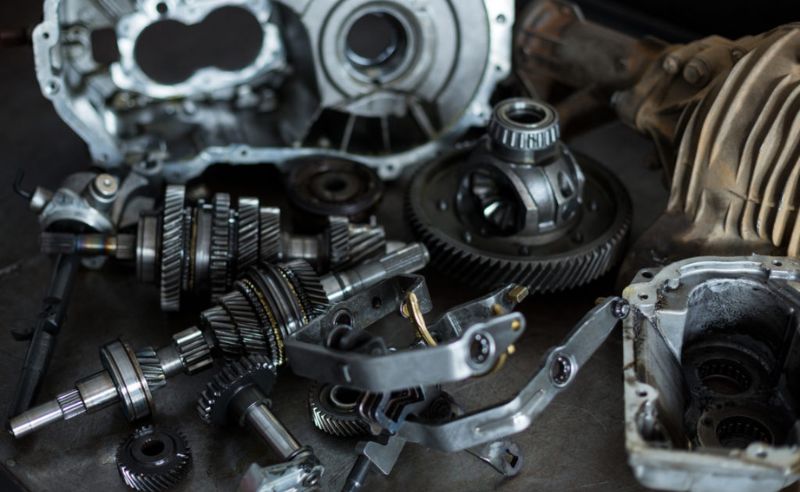
Corrective maintenance is defined as the adjustment of a machine or piece of equipment whose production has been reduced (or even stopped) due to a specific error. This maintenance occurs as equipment malfunctions, which can cause production to suffer long periods of downtime because, depending on the case, there is no average time for resolving the problem.
Preventive maintenance, on the other hand, deals with these problems in an inverse and much more assertive way. Instead of waiting for the problem to occur, it uses a pre-established maintenance schedule to review all the components of the company's equipment. In this way, the time spent on repairs is reduced, avoiding losses in productivity and investment.
One of the most important aspects of preventive maintenance is the lubrication of machinery and equipment; let's learn more about this process.
Lubrication of machinery and equipment
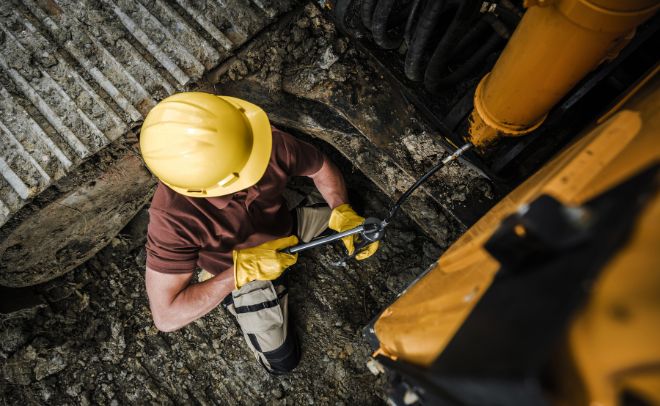
Lubricating equipment at specific intervals brings many benefits to the company and its production. Lubrication is important because it reduces friction between components, increases the speed and power of operation, and reduces temperature fluctuations, thus ensuring productivity. Good lubrication protects equipment from corrosion, wear and tear, and reduces damage; therefore, it should be one of the essential items on the preventive maintenance checklist.
Always remember that this maintenance must comply with environmental regulations, and therefore special equipment must be used for this type of application, such as: old fluid drainage systems, metering guns and mixers. Furthermore, it is essential to consult the manufacturer to find out not only the lubricant change interval, but also the correct type to use, since there are several different component models such as synthetic, semi-synthetic, mineral and greases, for example.
It may seem like a laborious process, but this task will guarantee high productivity for the company and should receive special attention when performed. Therefore, avoid losses and organize preventive maintenance for your machines and equipment, especially those that require constant lubrication.
Did you like this post? Share it with your friends or on social media. For more tips on painting and its equipment, visit our blog with exclusive content.