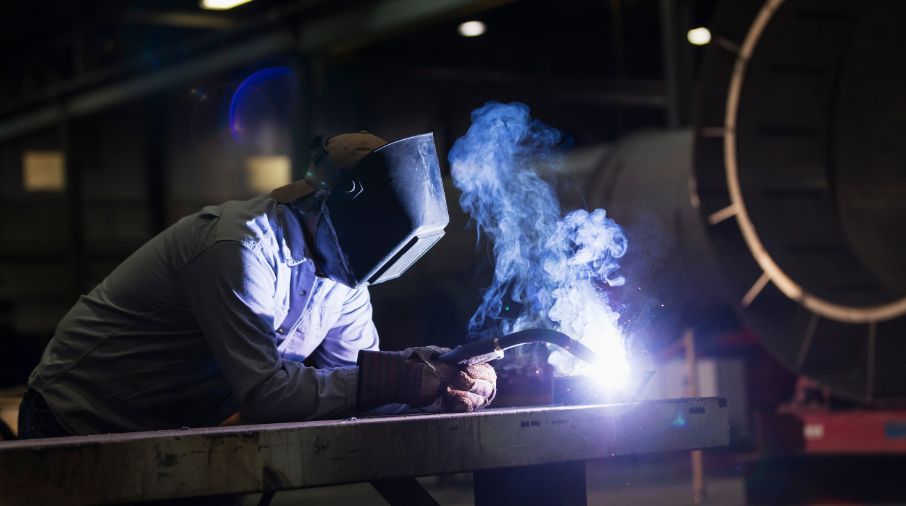
Concern for a suitable work environment should be a basic premise for any company that wants to grow, since an unhealthy environment not only represents a risk to the health of workers, but also to the profits of these businesses.
In the industrial sector, one of the main culprits is welding fumes. A result of the chemical process of welding heavy metals, welding fumes represent a significant health risk for operators due to the high quantity of toxic substances found in their composition.
Next, we'll talk a little more about the characteristics and risks involved with welding fumes and the best ways to deal with this problem.
What are welding fumes?
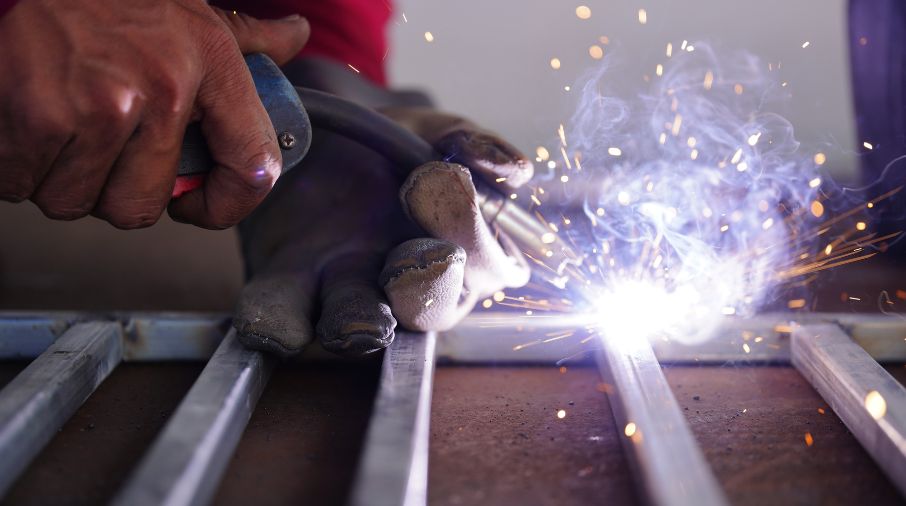
During a welding process, the operation causes the emission of highly toxic substances, generating a powder of very fine and highly toxic particles known as welding fumes. This process occurs when this toxic powder is generated through the vaporization of the metal used in welding (such as nickel, manganese, lead, among others). After this initial stage, the vapor cools and condenses further, creating a fine mist of extremely toxic powder.
The composition of the smoke varies depending on the metals being welded, but a common characteristic among all these elements is that the result of this process, if inhaled by the worker, can cause various types of health problems.
Once inhaled, these particles pose various health risks and can cause several diseases, especially those related to the respiratory system, which could be easily avoided if workplace safety standards were respected. Among the most common diseases related to inhaling welding fumes are asthma, lung cancer, lung diseases in general, increased risk of heart attack, allergic dermatitis, and even infertility.
However, as mentioned before, there are regulatory standards that, if strictly followed, greatly reduce the risk of worker contamination. And one of the most effective ways to ensure a healthy work environment (with the help of worker safety equipment) is through an exhaust system for these welding fumes. Let's learn a little more about them.
What are welding fume exhaust systems?
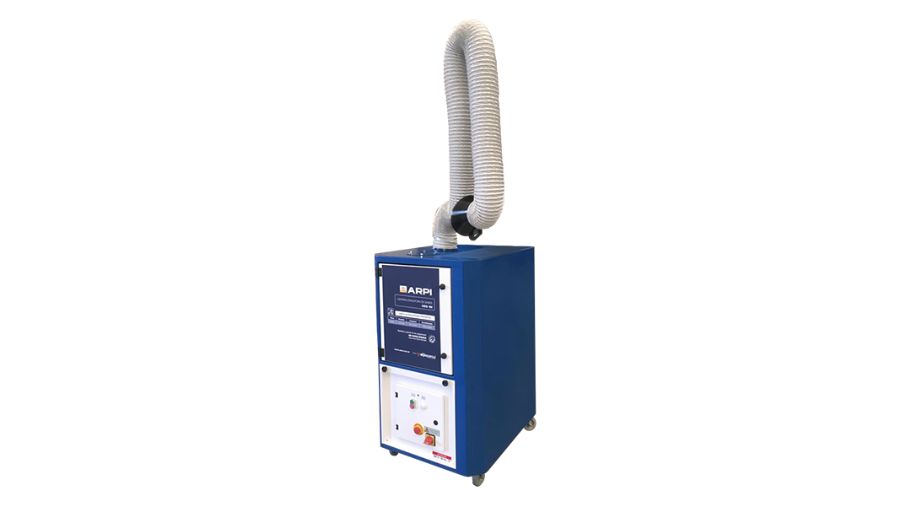
Exhaust systems are structures designed to extract various heavy metals and fluids that can be harmful to worker health. These extraction systems provide a qualified and safe work environment, as they strictly adhere to labor and environmental standards.
The exhaust process is relatively simple; using aspiration systems, contaminated air is sucked from the welding point, then filtered before being released back into the environment. The aspiration systems ensure that residues are vacuumed up without forming clouds of dust or other harmful particles, preventing the risk of worker contamination.
With its CEG and ECO product lines, Aspersul – a company of the ArpiAspersul Group – presents an efficient solution for the exhaust of welding fumes. These two lines These devices consist of equipment that draws in contaminated air – which is then filtered – and releases clean air back into the environment. For added safety, these devices have automatic cleaning systems and flame-retardant filters.
Both systems share the same basic suction and filtration specifications, but differ in the environments in which they can be applied. The CEG system is suitable for use in small applications, such as a welder operating individually. The ECO system, on the other hand, has a greater exhaust capacity and, due to its multiple intake points, is suitable for large welding lines.
Did you like this post? Share it with your friends or on social media. For more tips on painting and its equipment, visit our blog with exclusive content.