In automotive painting, as with any painting and finishing work, it's important to prepare your tools and materials before starting. Having your tools in good working order and enough materials for any task should be the first step for anyone wishing to work with automotive painting. Learn more about how to prepare PU paint for automotive painting below:
One of the most important items, and one that deserves special attention, is the paint. It's essential to know what type of paint will be used and how it should be prepared before starting to paint. To achieve a well-finished job of the highest quality, let's look at some basic principles of this preparation:
Before preparing paint for application, it's necessary to know what types of paint are available on the market, and how each one is best suited to your work. Let's look at them.
Polyurethane-based or PU paint
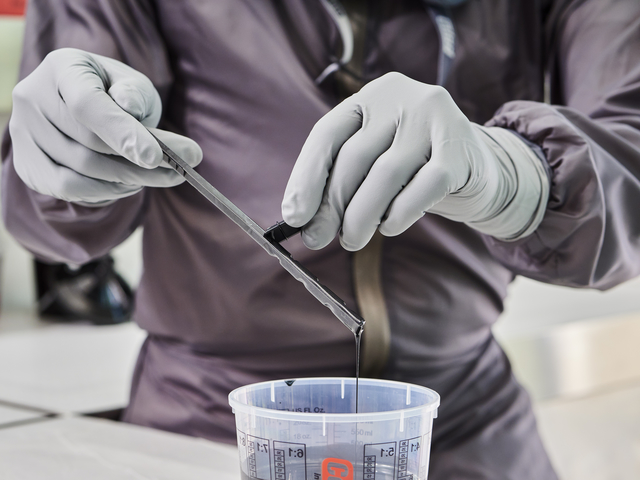
Polyurethane-based paint is generally used for solid color painting and is attractive due to its low cost and reasonable durability. One of the advantages of PU paint is the ease of achieving the correct color tone, because after being catalyzed and diluted, the polyurethane paint retains its own shine, eliminating the need for varnish in the finishing process.
Those wishing to use PU paint should choose high-quality brands, so that this time saving doesn't turn into a headache in the future, since its durability is shorter. Choose brands known for their quality and that will guarantee color preservation for longer. When it comes to PU paint, choosing the right brand should be a priority.
Polyester-based ink
Polyester-based paints offer greater durability, both in solid and metallic colors, but achieving the ideal shade and gloss requires more work.
Even when seeking a more matte finish, a varnish will be necessary to protect the paint. Therefore, great care must be taken during application, both of the paint and the varnish, to ensure an even color distribution. On the other hand, its use offers greater durability than polyurethane paint, as the varnish will protect the color for longer.
Water-based paint
Water-based paints are newer to the market and, in addition to their quality finish and color fidelity, have the advantage of being less harmful to the environment, as their manufacture emits 80% fewer toxic gases compared to other raw materials.
The composition of this paint is made up of pigments, resins, and additives that are not harmful to the environment. Its solvent, for example, is isopropyl alcohol which, being derived from sugarcane, offers a less toxic solution than those involving thinner (which in turn is produced from petroleum-based products).
Defining the viscosity of the ink
After deciding which type of paint to use, it's important to determine its viscosity level, as this will make a difference when applying the paint. The paint's viscosity will depend on the type of finish you're aiming for and which type best suits your spray gun.
To dilute paint – whether to reduce viscosity, shorten drying time, or harden it – two steps are important.
The first step is to look for instructions on the paint packaging regarding the dilution proportions, which vary not only depending on the paint base but also the manufacturer. Once you have this information and know what type of paint you're looking for, the second step is catalyzing the paint.
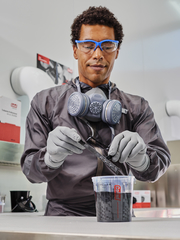
To perform the catalysis correctly, the use of a graduated mixing cup which allows mixing in the correct proportions. For example, if the manufacturer's recommendation is a 3:1:1 dilution, fill the measuring cup with the desired amount of paint up to one of the graduation marks. Then add the thinner to the same number, but in the second graduation column, and repeat the same process in the third column, if necessary. Then mix the solution and strain it before pouring it into the spray gun cup.
For more tips on automotive painting and other finishing techniques, visit our website. blog with new exclusive content.