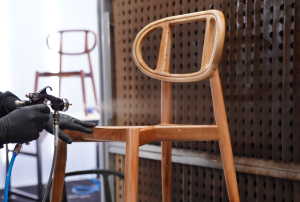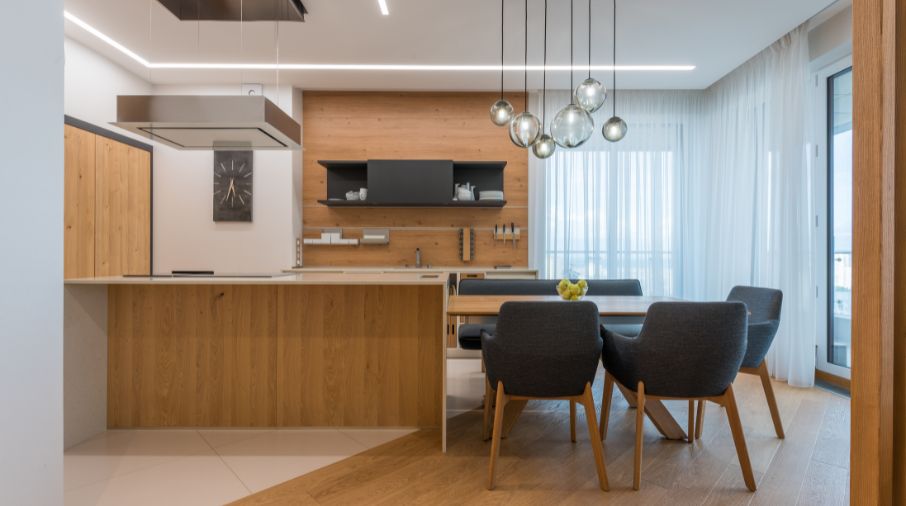
Beyond design, furniture colors are fundamental aspects in creating an elegant and comfortable environment. And just like other areas of fashion and design, the colors used in furniture are evolving, and this happens as consumer tastes change and new trends emerge.
Supported by the increasing improvement in technology that allows the use of more sustainable paints, with faster drying times and that provide differentiated finishes, choosing the right shade for painting furniture is becoming increasingly personalized and able to meet consumer desires.
Next, we'll give some examples of color trends in furniture painting, the possibilities of finishes created from the technological evolution of paints and finishes, among other tips.
Color trends
Trends in the use of color in furniture painting, on an industrial level, can be influenced by several factors, including interior design, consumer preferences, and even cultural changes. However, some general trends can be observed in recent years.
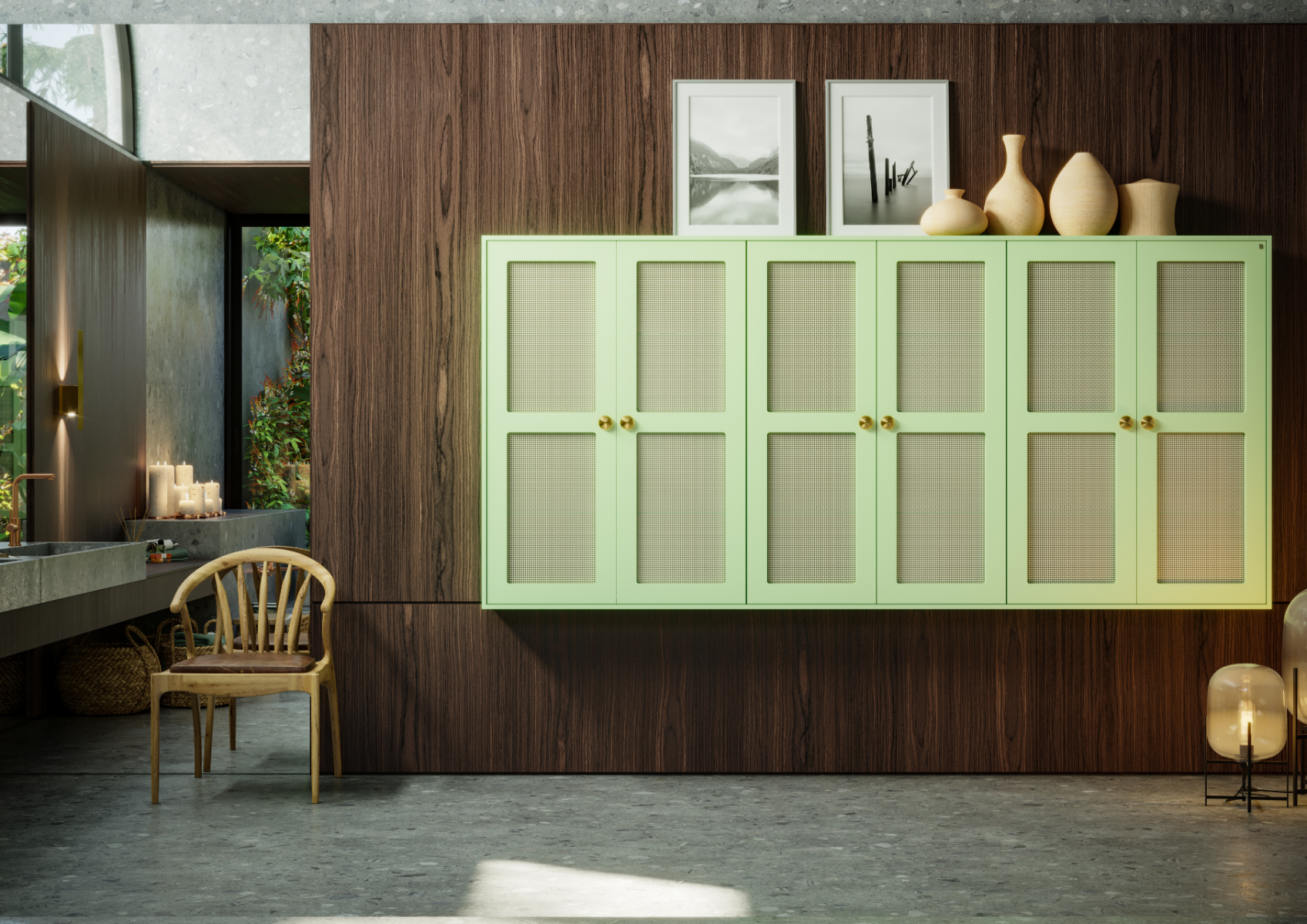
The main one is the preference for lighter or neutral colors, such as brown, beige, and gray. Choosing this shade offers a versatile base that integrates easily with other decorating styles. Furthermore, neutral colors bring aspects of peace and calm to the environment.
Similarly, there's a growing trend towards choosing nature-inspired tones, such as soft greens, tranquil blues, and earthy shades, which are increasingly popular. These colors can convey a sense of calm and connection with nature, something valued in contemporary interior design. These tones bring elegance and fluidity to spaces and are easy to combine.
Finally, textured colors have been gaining popularity in recent years, especially with improvements in paint quality, which allows for the creation of unique effects. Metallic or pearlescent tones are easily achieved thanks to improvements in drying technology, such as ultraviolet paints.
Regarding the technology used in paint manufacturing, a trend emerging in other countries and gaining traction in Brazil is the use of water-based paints, which, in addition to their quality, are much less harmful to the environment. The demand for ecological and sustainable paints is on the rise, driven by paints and varnishes with low emissions of volatile organic compounds (VOCs). This demand stems from increased environmental awareness and is motivated by the search for environmentally friendly options without compromising quality.
Trends in finishes
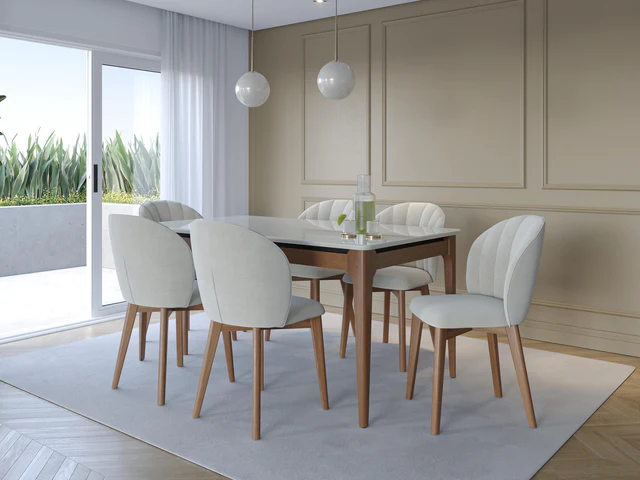
Trends in furniture paint finishes are influenced by consumer preferences, current design styles, and technological advancements in the industry. A variety of options are prominent in this dynamic landscape. However, some remain popular over the years. Matte finishes, for example, maintain their popularity, offering an elegant and contemporary aesthetic. This choice is favored by its resistance to fingerprints and scratches, providing durability and visual appeal.
Metallic finishes, especially gold, are currently very popular. They add a touch of luxury and modernity to furniture. This option provides a sense of sophistication and can be integrated in various ways to complement different decorating styles. Another trend that has been gaining momentum in recent years is the reproduction of natural textures, such as rustic wood, stone, or concrete. These finishes create a sense of authenticity, connecting the furniture to nature and introducing a unique tactile dimension.
Although matte finishes are predominant, high-gloss finishes still maintain their relevance, especially in contemporary and modern design furniture. This choice provides a vibrant look and can be used to highlight specific details.
Furniture with antique, aged, or patina effects continues to be popular, lending a sense of history and authenticity to the pieces. These finishes add character and charm, standing out in various decorative styles. Furthermore, techniques incorporating embossed textures are gaining prominence, providing an interesting tactile experience. This approach adds visual depth and a unique tactile feel to the furniture.
Finally, advances in digital printing technology allow for the creation of customized finishes, reproducing complex patterns, unique designs, and accurately mimicking natural textures. This innovation enables a wide range of options to meet diverse aesthetic preferences. Among them, the use of transparent resins to highlight the natural beauty of wood or create three-dimensional effects is gaining popularity. This technique offers a contemporary approach to enhancing specific characteristics of furniture, adding sophistication to the design.
Did you like this post? Share it with your friends or on social media. For more tips on painting and its equipment, visit our blog with exclusive content.