UV LED technology is the term used to describe the use of ultraviolet light via LEDs in various industrial sectors. Ultraviolet light is a form of electromagnetic radiation containing waves with wavelengths shorter than visible light, but longer than X-rays.
This type of technology has diverse applications in different sectors, such as disinfection and sterilization, electronic manufacturing, medical technology, chemical analysis, fluorescence detection, and product drying processes.
Products developed for this technology are photosensitive and can be cured quickly using UV LED light. This results in a faster and more efficient curing process compared to some more traditional drying methods.
In this article, we'll learn more about how UV LED technology works and what its advantages are.
How does UV LED technology work in painting?
Product composition
UV LED technology is gaining ground in various sectors, such as the furniture and automotive industries. Products specifically designed for UV LED technology are frequently found in the form of correction compounds, primers, varnishes, resins, and paints, which contain photosensitive components to ensure efficient UV LED action, resulting in rapid curing of parts.
Another important aspect of UV LED product composition is that they are single-component, meaning they come ready to use without the need for catalysis.
Application
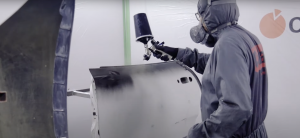
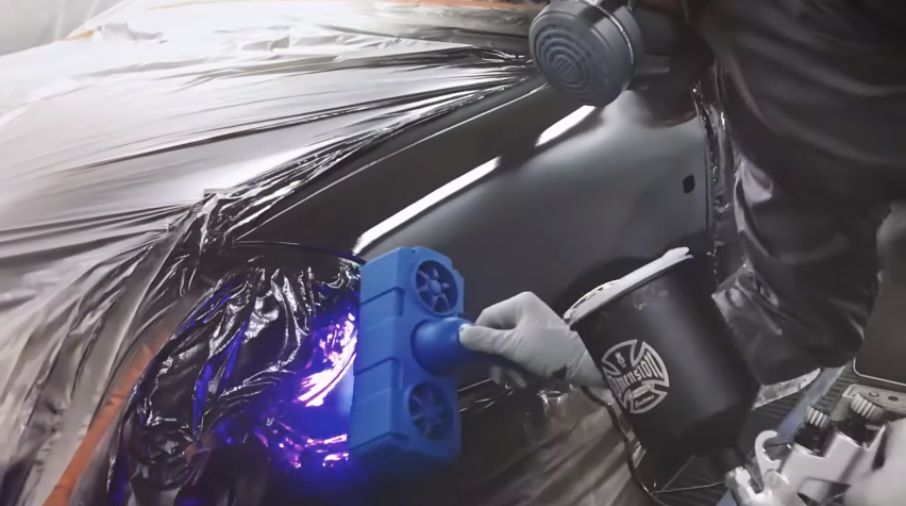
The application of these products needs to be done carefully, because as they are photosensitive, exposure to sunlight or UV light can result in premature curing of the applied product. In automotive repair, the application of primers, resins, paints, and varnishes should be done with the aid of spray guns with metal or painted cups, never with transparent plastic ones. Putty can be applied with regular spatulas, always paying attention to the ambient light.
In the furniture industry, it is important to keep both UV LED products and equipment protected from sunlight or lighting that emits UV light.
Healing time
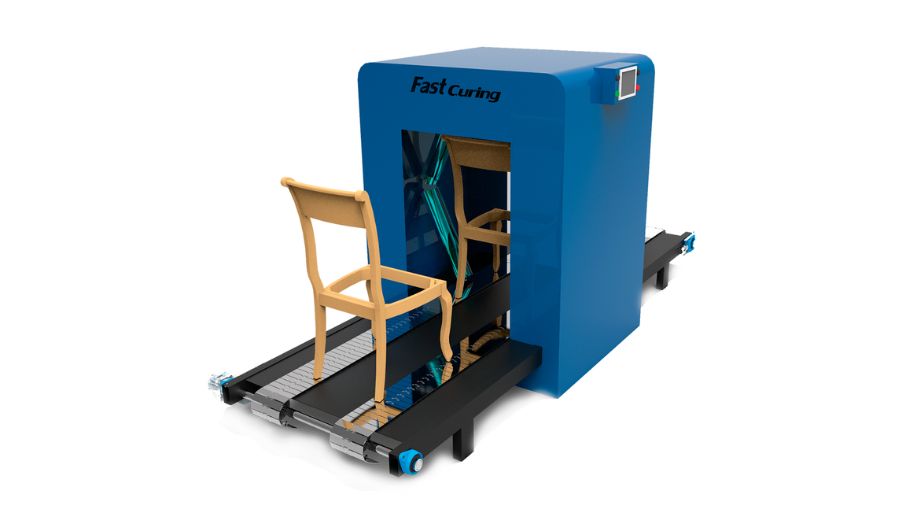
Depending on the UV light system used to cure the products, the curing time can vary, as can the final quality of the applied product. In Brazil, UV LED technology... Fast Curing It is the most widely used, precisely because it is the only certified method that guarantees complete curing in seconds, both in the furniture industry for mass-produced products and in the automotive industry.
Advantages of Using UV LED Technology
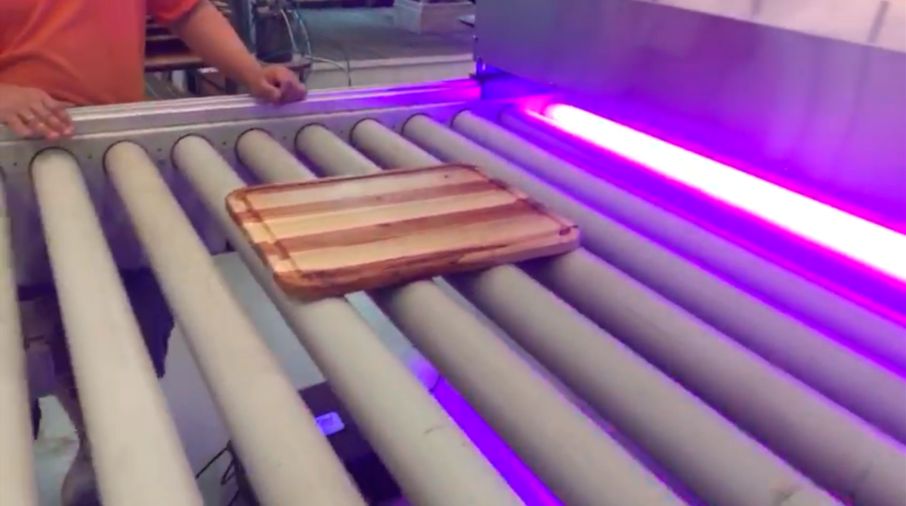
Heal in seconds
The biggest advantage of using UV LED curing technology is speed. Curing occurs in a matter of seconds, much faster compared to the hours or even days required for conventional drying. This can significantly accelerate production processes, allowing for greater efficiency on the production line.
Lower VOC Emissions
UV LED technology does not require solvent evaporation, which is necessary in traditional drying methods. This results in lower emissions of volatile organic compounds (VOCs), which benefits both worker health and the environment.
Superior Quality
In addition to being more environmentally friendly, UV LED curing provides a solid and uniform film immediately after curing. This results in a high-quality finish with greater resistance to scratches and chemicals. Furthermore, the absence of solvents prevents the formation of bubbles or unwanted marks.
Energy Efficiency
Compared to traditional drying methods, such as solvent evaporation or the application of heat, UV curing requires less energy because there is no need to heat or ventilate large volumes of air, leading to much greater energy efficiency.
Productivity gain
With curing times reduced from hours to seconds, the production process gains speed and prevents parts from occupying space for extended periods.
To learn more about industrial painting and other content on painting and finishing, visit the rest of our blog, always with new and exclusive content.