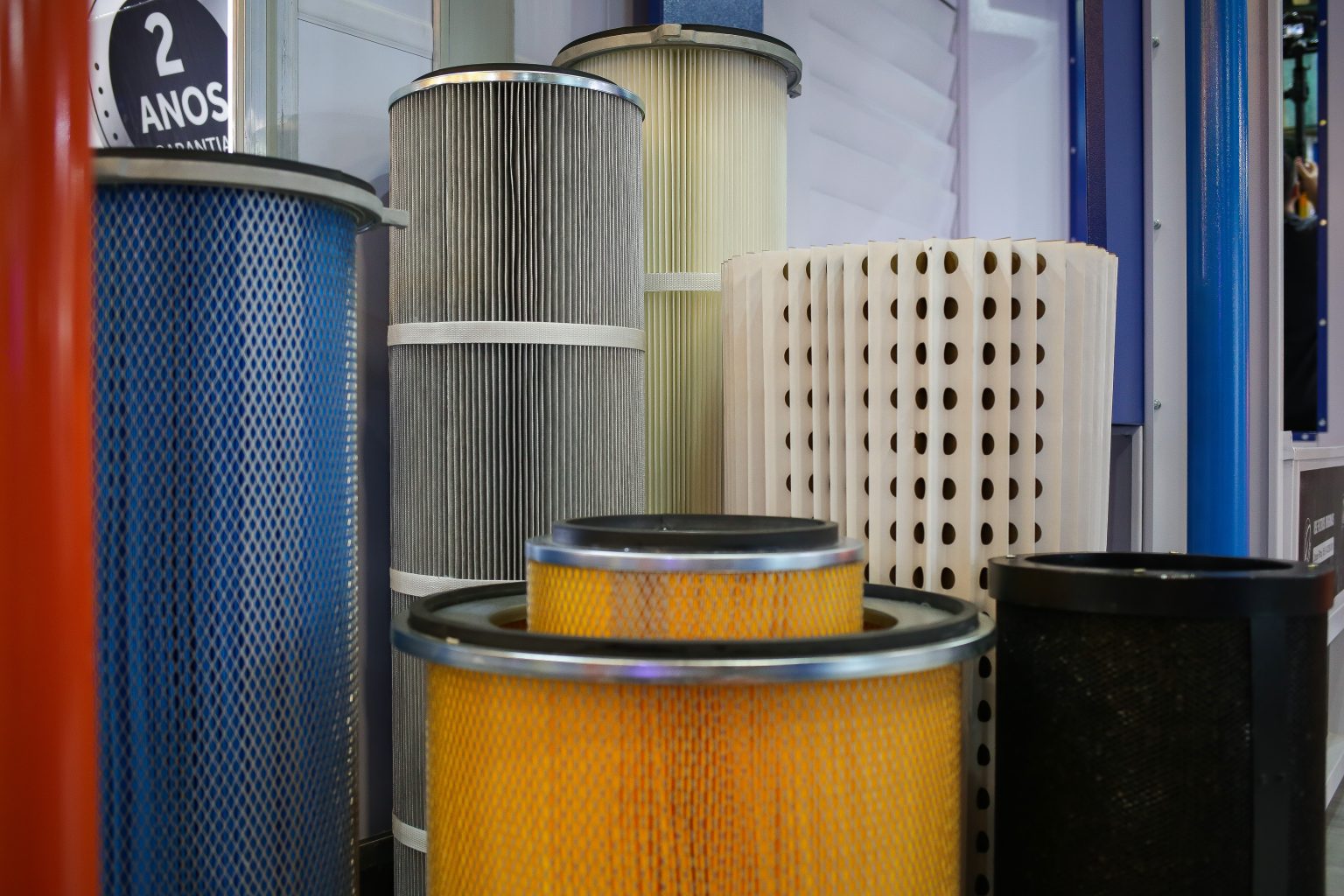
In a paint booth, the filter is the heart and lungs of the system. It ensures that clean air enters and exits, maintaining paint quality and worker safety. However, like any component that handles particles and residue, the filter has a limited lifespan. Over time, it becomes saturated, meaning it fills with paint, dust, and particles, and when this happens, the booth stops functioning properly. Therefore, changing the filter at the right time is essential to avoid rework and paint waste, and to protect the operator's health.
What happens when the cabin air filter is saturated?
When the filter is dirty or worn out, air no longer circulates properly inside the booth. This creates a domino effect of problems that affect the entire painting process:
- Compromised airflow: dirty air doesn't escape, and clean air doesn't enter with sufficient force;
- Overspray in the environment: excess paint remains suspended in the air and falls back onto the painted piece;
- Poor finish: stains and rough textures appear;
- Increased ventilation effort: the system works harder to pull in air;
- Health risk: chemical particles and vapors are released back into the environment;
- It could even explode: presence of volatile particles in the cabin;
In short, an old filter transforms an efficient cabin into a makeshift one. And the result is the same: dirt, rework, waste, and extreme risks.
How to tell if the filter is bad?
Knowing when it's time to change the filter is simple, just look for a few signs:
- Decreased airflow: if the air seems "stagnant" or the overspray starts to accumulate, it's a sign of saturation.
- Increased dirt on the walls and floor of the cabin: indicates that the filter is no longer retaining dirt as it should.
- Paint with stains or roughness: particles returning to the surface are a clear sign that the air is not being filtered.
A practical tip is to maintain a preventive maintenance schedule, changing the filters regularly, before the cabin's performance starts to decline.
Why is changing the filter so important?
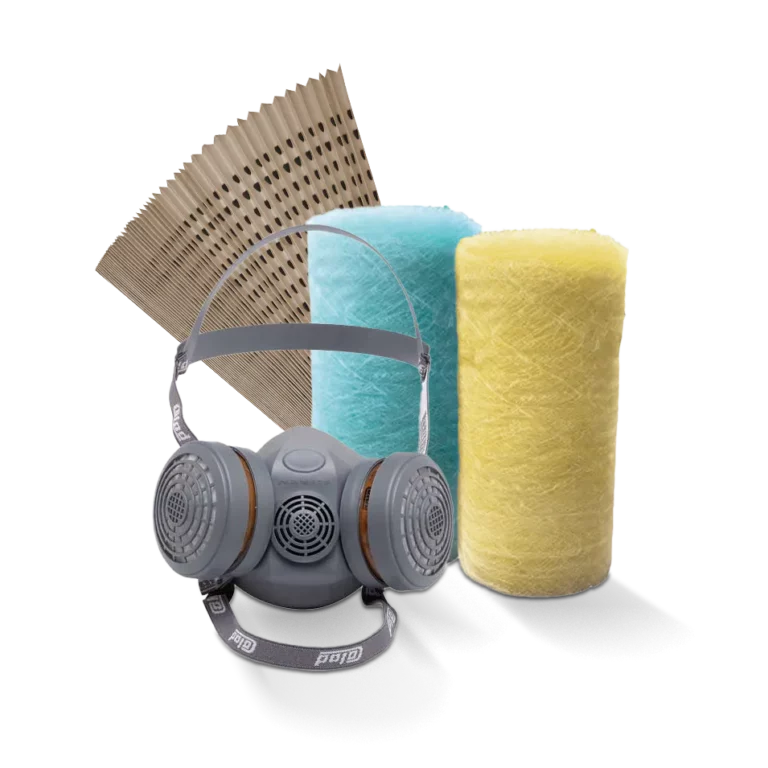
A new filter ensures balanced airflow, removing overspray and keeping the environment clean. In addition to improving the finish, periodic filter replacement prevents wear and tear on the ventilation system and reduces energy consumption. The filtration system installed at the exhaust outlet ensures physical and chemical treatment of particulates and volatiles, allowing contaminants that would otherwise pollute the environment to be grouped and treated before being released into the environment. Replacing the filter is not a cost, it's an investment in the durability of the booth and the quality of the paint job. In practice, a clean filter means productivity and consistent results. 
How to show the manager that filtering is not a cost, but a return.
There is still a common difficulty in Brazil: many companies look first, and sometimes only, at the price. This happens due to a lack of knowledge about filtration and also because the market is full of "similar" solutions that, in practice, do not deliver the same results. In many cases, technical specifications are copied without real validation, since there is no consistent oversight of the veracity of this information. The manager buys thinking it's the same, but receives a cheaper, weaker product disguised as equivalent. Another cultural point that weighs heavily is that decisions end up being influenced by day-to-day perceptions, based on "what seems to work best" or "what lasts longer." However, technically, a filter that takes too long to saturate may be wrong for the process. When the filtration is adequate and the cabin is well-designed, the return is quick in productivity, quality consistency, and environmental safety. In the end, cheap doesn't end up being cheap: it becomes invisibly expensive.
Clean filter, perfect paint job.
The filter is what differentiates a functional booth from an improvised one. When it's clean, the air flows correctly, the paint is applied evenly, and the result is professional. But when it's dirty, the entire system suffers: the finish deteriorates, the operator is exposed, and the booth loses its efficiency. Therefore, never underestimate filter replacement. It's the simplest, and most important, step to maintain the quality, safety, and durability of the paint booth.
About KORIA
KORIA partners with workshops that are evolving. With solutions that combine efficiency, safety, and technology, the brand helps professionals throughout Brazil transform improvisation into true quality, with products designed for each stage of the painting process.
Did you like this post? Share it with your friends or on social media. For more tips on painting and its equipment, visit our blog, always with exclusive content.