Whether you're just starting out or a seasoned professional, one of the most important aspects of automotive painting is choosing the right paint for your desired finish.
With so many options on the market, it's easy to get confused. After all, professionals not only need to worry about the color, but also need to know the different types of paints, their characteristics, qualities, pros and cons. They also need to know the quality of the brands and their origin, which requires a lot of research.
To help with this task, we've selected some of the main types of paints found on the market to try and answer, simply, which paints are suitable for automotive painting?
Solvent-based ink
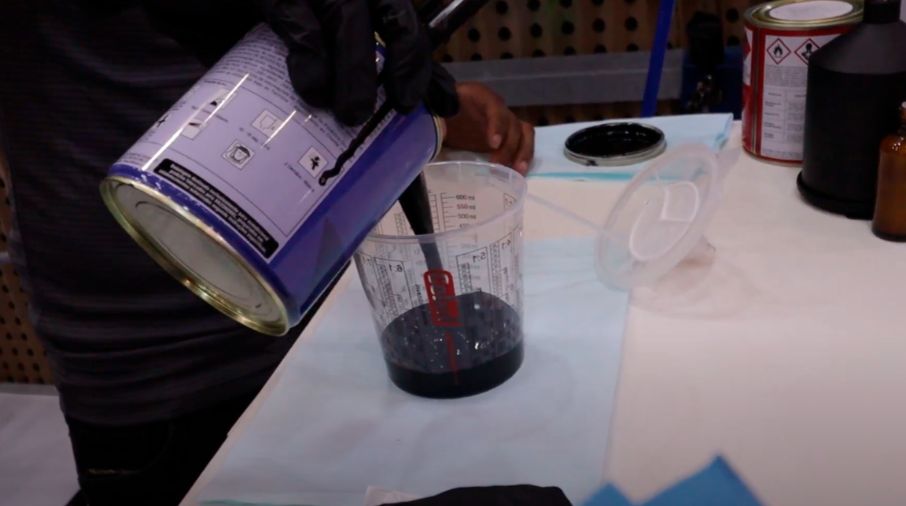
This model represents the majority of traditional automotive paints, which are usually solvent-based, such as synthetic enamels. This type of paint offers durable, scratch-resistant coverage. However, it has a negative aspect: its composition contains a large volume of volatile organic compounds (VOCs). VOCs.
“When released into the atmosphere, VOCs contribute to the formation of the photochemical smog layer, which is a mixture of oxidized hydrocarbons and other compounds that are exacerbated by ultraviolet radiation on the Earth's surface, forming a kind of haze in the atmosphere. Enclosed or stuffy places favor the concentration of these compounds.“
Water-based ink
With the goal of reducing VOC emissions, water-based automotive paints have gained popularity. They contain fewer toxic chemicals and dry faster. Furthermore, water-based paint is more environmentally friendly. However, its durability may be slightly lower compared to solvent-based paints.
Acrylic paint
This type of paint has been gaining popularity, largely due to its versatility, as it can be used on different automotive surfaces, including metal, plastic, and fiberglass. Acrylic paints have good adhesion, UV resistance, and a wide range of colors available.
Epoxy paint
Frequently used in areas exposed to aggressive chemicals, such as the underside of vehicles, for corrosion protection, epoxy paints are known for their high chemical resistance and durability, which is why their use is becoming increasingly common.
Metallic paint
This type of paint is characterized by containing aluminum particles and other metallic pigments that give automotive paint a brighter, shimmering effect. Metallic paint is widely used when a glossy and aesthetically pleasing finish is desired.
Pearlescent paint
Similar in characteristics to metallic paints, pearlescent paints are distinguished by their pearl-like finish, a result of their chemical composition which contains mica particles, a substance that reflects light in a unique way, providing a softer shine and an even more luxurious appearance.
Due to the additional production costs and special materials involved, metallic and pearlescent paints tend to be more expensive than regular automotive paints. However, prices can vary depending on the brand, quality, and region. It is always advisable to consult suppliers or specialized stores for accurate pricing information for these products.
It is important to emphasize that automotive painting requires proper techniques and professional skills to achieve the best results. Therefore, it is advisable to do thorough research before using a particular type of paint, as well as to make a list of pros and cons, both in relation to the environment and the cost/benefit of each paint.
To learn more about automotive painting and other content related to painting and finishing, access the rest of our [website/blog/etc.]. blog, always with new and exclusive content.