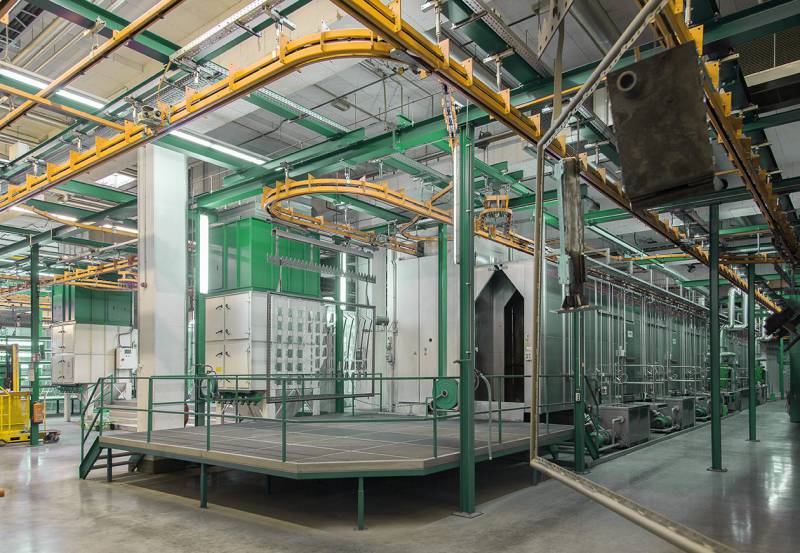
For any type of quality painting and finishing, regardless of the purpose, one of the main points to consider is the preparation of the surface to be painted.
At an industrial level, particularly in the metalworking sector, one of the most effective methods for preparing parts is chemical pretreatment. This is a fundamental process that cleans and chemically prepares the part to receive the paint coating in the subsequent process.
Next, we will explain what chemical pretreatment is, the most common types found in the industry, and its importance to paint quality.
What is chemical pretreatment?
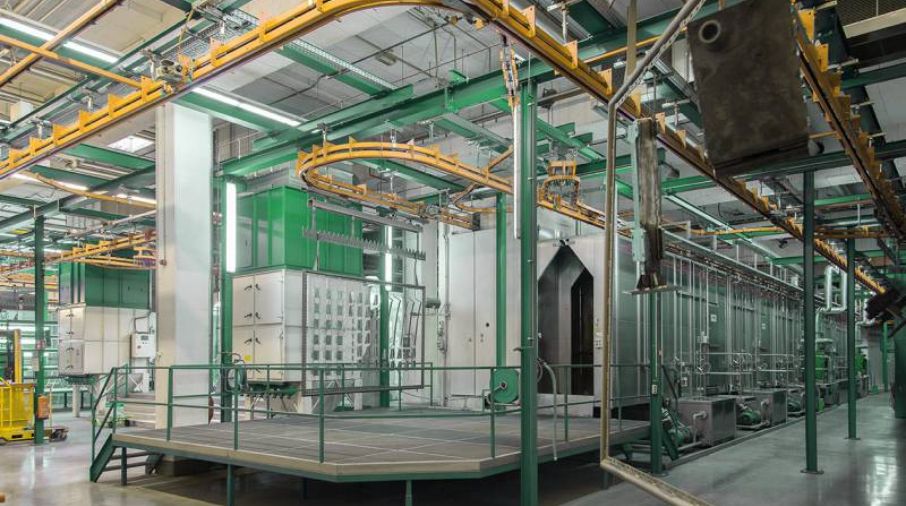
Chemical pre-treatment in painting is the process in which the surface of substrates, such as metal, aluminum, and others, is prepared before the application of paint and other finishes. This entire procedure is essential to ensure paint adhesion, as well as corrosion resistance, increasing durability and contributing to the quality of the coating.
What are the types of pre-treatment?
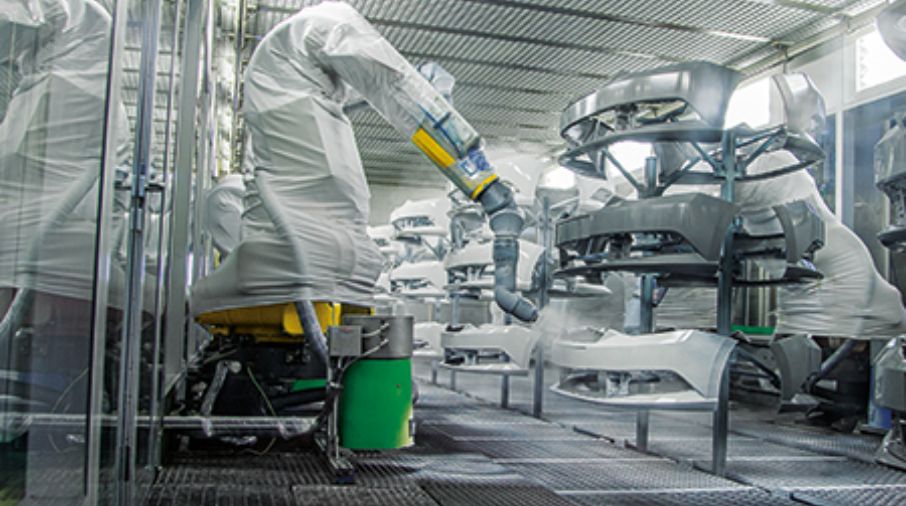
Chemical pretreatment typically involves applying specific chemicals to the surface of the substrate, such as metal, plastic, or ceramic. The chemicals used may vary depending on the type of surface material and the conditions to which it will be exposed.
Although there are several types of pretreatment, two models stand out for their popularity: spraying and immersion. Let's learn a little more about them:
Pre-treatment by spraying
In this method, pretreatment chemicals are sprayed onto the material surface using a spray system. This system consists of several spray nozzles that evenly distribute the chemicals over the surface. Spraying is highly effective for covering large surface areas and allows for more controlled application of chemicals; furthermore, its use is more common in processes where it is important to control the exact amount of chemical to be applied.
Pre-treatment by immersion
In the immersion method, the part or object to be coated is submerged in a tank containing the chemical pretreatment solution. This allows the entire surface of the part to be completely covered by the chemicals, reaching areas that would be difficult to reach using other methods. Immersion is effective for treating batches of smaller, complex parts, as it ensures complete coverage of all surface areas. However, proper drainage and drying may be necessary after the immersion process.
What is the importance of chemical pretreatment?
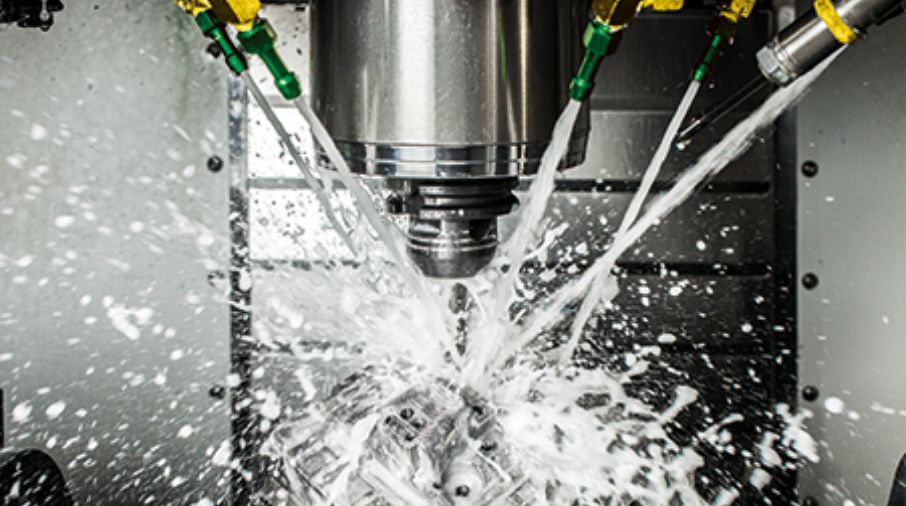
Chemical pretreatment in industrial painting plays a fundamental role and is extremely important for several reasons, one of the most important being the improvement in paint adhesion. Chemical pretreatment provides a more adhesive surface for the coating. This is crucial to ensure that the applied paint or coating adheres firmly to the material's surface, preventing premature flaking or peeling.
Another key aspect of chemical pretreatment is corrosion protection. This process creates a barrier between the substrate (such as metal) and the corrosive environment, thus extending the material's lifespan and maintaining its structural integrity.
Finally, it is important to highlight the increased durability. The application of appropriate chemical pretreatments contributes significantly to the coating's durability. This is especially important in harsh industrial environments where materials are subject to adverse conditions such as exposure to chemicals, humidity, and extreme temperature variations.
Did you like this post? Share it with your friends or on social media. For more tips on painting and its equipment, visit our blog with exclusive content.