Painting boats is an extremely necessary operation to prevent problems such as oxidation, the growth of marine organisms, and other inconveniences that may arise from lack of maintenance. Below, we will discuss in more detail the reasons for painting boats and the essential precautions to take when performing this procedure.
Reasons for painting boats

There are several reasons for painting boats; below we will explore the most important ones.
Corrosion protection
Constant exposure to saltwater and the marine environment can cause corrosion of the metal structures of vessels, and proper painting is the best way to prevent this problem. Painting creates a protective barrier between the hull and saltwater, preventing corrosion and extending the vessel's lifespan.
Prevention against the growth of marine organisms
For vessels in direct contact with the sea, painting is recommended. antifouling (Anti-fouling), this type of paint helps prevent the accumulation of marine organisms such as algae, barnacles, and mussels. Preventing the accumulation of these organisms is important because they can impair the vessel's performance, increasing drag and consuming more fuel.
Improved efficiency and performance
A hull with a clean, smooth paint job can reduce friction with water, which can improve the efficiency and performance of the vessel, an important factor, especially in high-speed vessels.
Aesthetics
Beyond the technical aspects, painting also plays an important role in the aesthetics of boats; after all, a well-maintained paint job not only makes the boat look more attractive, but can also help preserve its value at the time of resale.
Identification and visibility
Finally, paint can also be used for better vessel identification, whether through specific colors, logos, or distinctive patterns, which improves identification on the high seas or in busy ports.
Precautions when painting boats

Before any type of painting is carried out, certain precautions are necessary, and painting boats is no exception. Below we will list some measures that should be taken before and during the painting of boats.
Before painting
Surface preparation
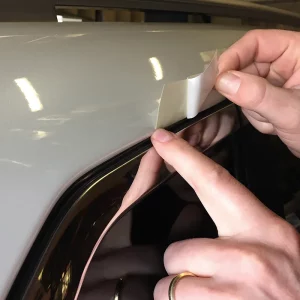
Before any type of finishing, proper preparation of the surface to be painted is necessary. This means cleaning, sanding, and other preparations before applying the paint, such as removing any dirt, grease, oil, oxidation, and old paint.
Damage repairs
Another step in preparing and repairing damage to the vessel's hull surface, such as dents, cracks, or areas affected by corrosion. This process may involve welding, filling cracks, or even replacing damaged parts.
During painting
Choosing the right ink
It is important to select the right paint for the type of vessel, surface material, and marine environment. Specific paints are designed for different conditions, such as fresh or salt water, and can vary in resistance to corrosion, abrasion, and the growth of marine organisms.
Proper application of the paint
One of the most important aspects of boat painting is the correct application of the paint. This requires following the manufacturer's instructions, a practice that has been in place for years, not only regarding the recommended method (brush, roller, spray gun) but also other technical aspects such as the number of coats or the paint's catalyst. For more reliable results, it is advisable to hire a qualified professional who will guarantee the quality of the essential preparation and painting.
Environmental protection
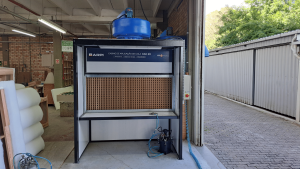
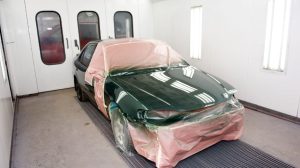
Another very important aspect when painting a vessel is concern for the environment and the painter's health. For ideal painting conditions, the best practice is the use of paint booths, structures designed to guarantee the air purity necessary during painting. The booths filter the air entering the structure – ensuring ideal atmospheric quality for the work – and also provide adequate exhaust ventilation. overspray, ensuring that excess ink does not come into contact with the environment.
Time and temperature
Ambient temperature and humidity can affect the paint drying process. Follow the manufacturer's recommendations regarding ideal drying temperature and conditions to achieve the best results. Improper drying can lead to various problems in the future, compromising the overall quality of the finish.
Proper maintenance
After the painting is complete, it is important to perform proper maintenance on the vessel to ensure the durability of the paint. This may include regular washing to remove dirt and salt, periodic inspection to detect damage or corrosion, and paint touch-ups as needed.
Following these precautions before and during the painting of boats will help ensure a quality finish and extend the life of the paint, thus protecting the boat against marine elements and preserving its aesthetics and performance.
Did you like this post? Share it with your friends or on social media. For more tips on painting and its equipment, visit our blog with exclusive content.