THE transfer efficiency in automotive painting This is one of the main factors that determine how much paint actually adheres to the piece and how much becomes mist and waste. Understanding this concept helps workshops reduce costs, standardize quality, and improve productivity. In this article, you will learn what it is. transfer efficiency, How does it affect the cost of painting, how to calculate it, and what practices to use to increase paint yield?.
Understanding transfer efficiency in automotive painting
THE transfer efficiency This refers to the percentage of paint that comes out of the spray gun and actually adheres to the vehicle's surface. Simply put, it's how much of the paint you pay for actually becomes a coat of paint on the part. All the rest becomes overspray, mist, deposits in spray booths, filters, and on the floor, increasing material and cleaning costs.
In automotive paint, This metric is critical because the volume of paint used per vehicle is high and recurring. In automotive refinishing shops, a small improvement of 5 to 10 percentage points in transfer efficiency can generate significant savings at the end of the month. Furthermore, greater... transfer efficiency It reduces rework and color variation, since the film thickness becomes more consistent.
In simple terms, think of it this way: transfer efficiency It's like the efficiency of a shower that actually wets your body and not the entire bathroom. The higher the percentage of water that reaches you, the greater the efficiency. The same logic applies to car painting, but with automotive paint, air pressure, and equipment settings influencing the result.
For the automotive sector, manufacturers, body shops, and repair shops measure this efficiency to control cost per vehicle and productivity. Having clear indicators of transfer efficiency Data on automotive paint yield and waste allows for comparison of shifts, painters, spray guns, and even different products. This way, management can standardize processes and train teams based on data, not just practical experience.

How the transfer efficiency affects the cost of car painting
The impact of transfer efficiency in the cost of car painting This directly impacts ink and material consumption. When transfer efficiency is low, the workshop needs to use more coats or a higher flow rate to achieve the correct film thickness. This increases the cost per vehicle, reduces profit margins, and often goes unnoticed in day-to-day operations.
In addition to the material, low efficiency generates more overspray, requiring frequent cabin maintenance, filter changes, and longer cleaning times. This increases indirect production costs, affects vehicle flow, and can even force unscheduled downtime. In high-volume operations, some automotive industry studies show that a 10 to 15 percent improvement in transfer efficiency It can reduce the cost of paints by up to 20 percent.
When we talk about like the transfer efficiency affects the cost of car painting, We also enter the realm of rework. Irregular applications increase the risk of orange peel, runs, lack of coverage, and differences in gloss. All rework consumes more paint, sandpaper, filler, energy, and hours of skilled labor, which makes each job more expensive.
Workshops that monitor metrics, benchmarks, and formulas. Transfer efficiency for the automotive sector They are able to price their services better. They understand precisely how much paint is used for each type of repair, area painted, and painting system. This control prevents underpricing, protects profitability, and allows them to offer service guarantees with financial security.
Good practices for reducing painting costs by increasing transfer efficiency
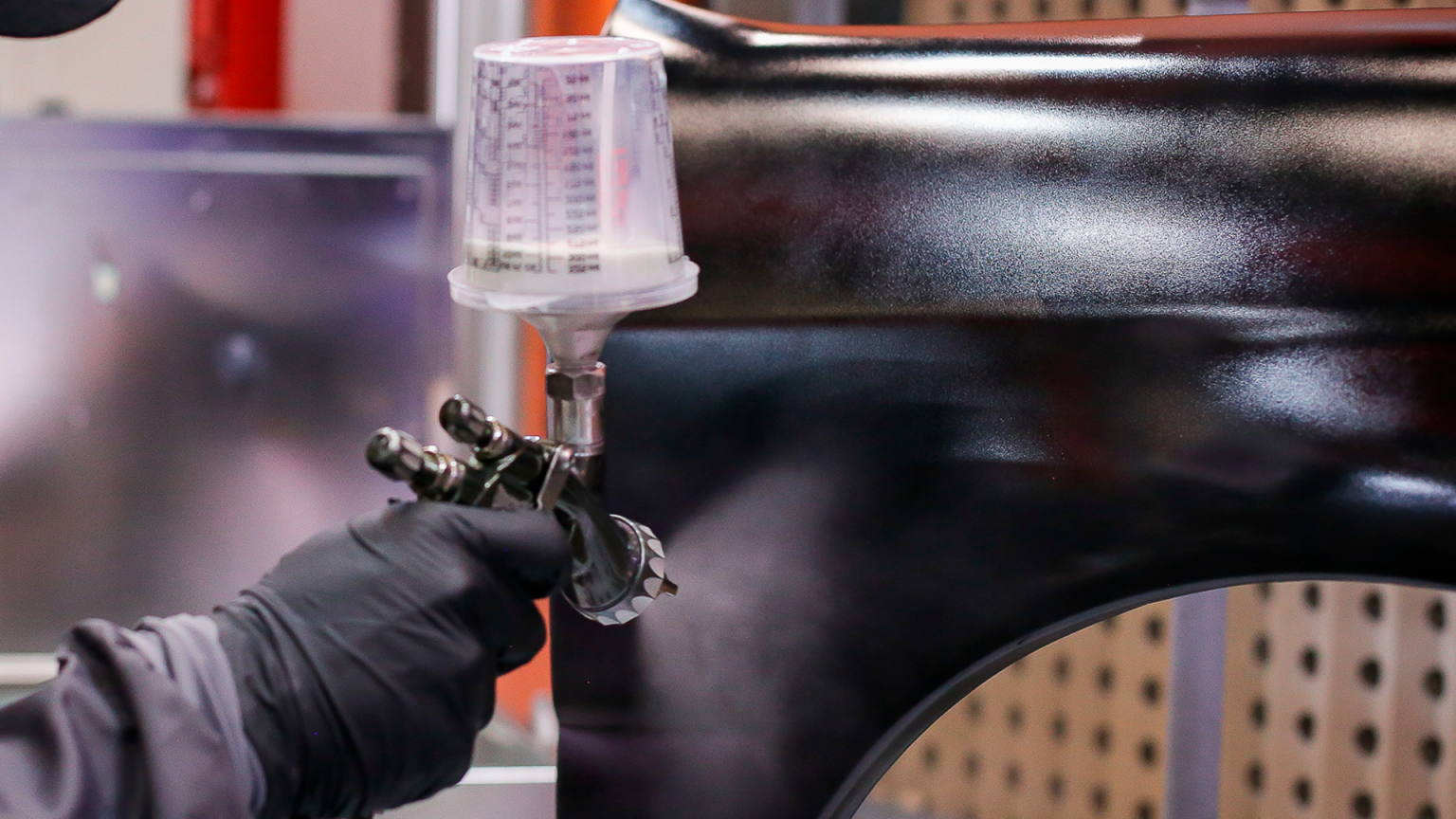
Some Tips for reducing automotive painting costs by increasing transfer efficiency These adjustments involve simple process steps. Maintaining the spray gun at the correct distance from the workpiece, generally between 15 and 20 centimeters, reduces overspray and improves paint utilization. A constant speed of movement and proper overlap between passes also prevent missed areas and localized excess paint.
Another important point is to correctly adjust the viscosity and mixing system of the paint according to the manufacturer's technical data sheet. Paints that are too diluted generate more overspray and less coverage per coat, reducing the efficiency of effective transfer. Conversely, products that are too viscous may require more pressure and generate undesirable texture, leading to rework.
Implement periodic training focused on transfer efficiency Automotive paint yield and waste This is strategic for workshops and automotive centers. Many experienced painters have never had formal contact with transfer efficiency concepts, even while delivering good finishes. When they begin to understand the financial impact of each adjustment, they tend to adopt more consistent and economical practices.
Finally, adopting control routines, adjustment checklists, and visible indicators in the painting sector contributes to maintaining process discipline. Linking consumption targets by repair type to internal recognition programs helps sustain long-term improvements. This set of best practices creates a continuous cycle of increased efficiency. transfer efficiency and cost reduction without compromising the visual quality of the repair.
Conclusion
THE transfer efficiency in automotive painting This is a key indicator for understanding how much of the paint you buy actually translates into value for the customer's vehicle. By measuring and improving this efficiency, the workshop reduces waste, minimizes rework, and precisely controls the cost of car painting. With good practices, appropriate equipment, and specialized support, it's possible to transform paint management into a competitive advantage. If you want to deepen this control and structure solid indicators for your operation, it's worth learning more about KORIA's solutions for the automotive segment.