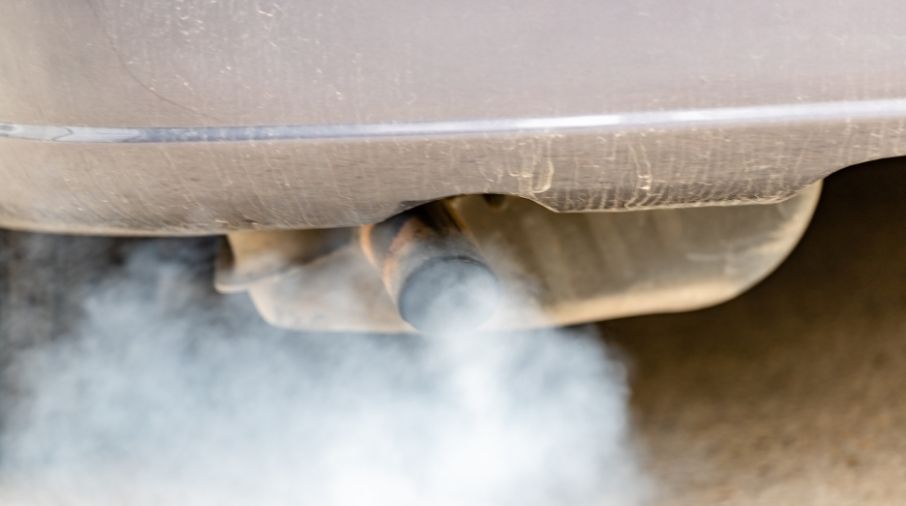
One of the major challenges facing society today is the impact of nitrogen oxide (NOx) emissions on the atmosphere, especially in densely populated urban areas. These emissions are a growing concern due to their harmful effects, such as contributing to respiratory and cardiovascular problems.
AdBlue (or ARLA 32) is a technology created to reduce these emissions. Designed specifically for diesel vehicles, it offers an effective and environmentally responsible approach to mitigating NOx emissions. By understanding how AdBlue works and how it can be implemented in diesel vehicle fleets, managers can explore a promising solution to reduce the environmental impact of their operations.
By playing a crucial role in reducing NOx emissions, AdBlue (or ARLA 32) contributes to air quality and public health. In this way, it offers significant advantages for companies, such as compliance with emissions regulations, improved brand image, and reduced long-term operating costs. By adopting AdBlue, companies can demonstrate a commitment to sustainability and contribute to a cleaner and healthier future for all.
What is AdBlue (Arla 32)?

"Arla 32" is a liquid reducing agent formulated with a precise composition of 32.5% urea and 67.5% demineralized water. This solution is specifically designed to fulfill a crucial function: reducing nitrogen oxide (NOx) emissions in vehicles equipped with diesel engines. This process is known as "Selective Catalytic Reduction" (SCR).
In the SRC (Smoothing Recycling System), AdBlue (DEF) is injected into the vehicle's exhaust system. In this environment, thermal decomposition of urea occurs, resulting in the formation of ammonia (NH₃). The ammonia produced then reacts with nitrogen oxides in the exhaust gases, converting them into nitrogen (N₂) and water (H₂O), substances that are harmless to the environment.
The balanced composition of AdBlue (or ARLA 32) plays a key role in its effectiveness. Urea, as the main component, acts as a reducing agent, reacting with nitrogen oxides in the exhaust gases. In turn, demineralized water serves as a solvent, aiding in dispersion within the exhaust system.
What are the benefits of AdBlue (Arla 32)?

Regarding the environment, the use of the SCR system provides a significant reduction in nitrogen oxide (NOx) emissions, which represents a substantial contribution to air quality and public health. By implementing technologies such as SCR and the use of AdBlue (or DEF), diesel vehicles can drastically reduce the amount of NOx released into the atmosphere.
For companies, adopting the SCR system offers a number of advantages. Besides ensuring compliance with emissions laws and regulations, which is essential to avoid fines and legal sanctions, implementing this technology also contributes to a better company image in the market and among customers. Companies that demonstrate a commitment to sustainability and environmental protection can attract conscious consumers and stand out from the competition.
For vehicles equipped with the SCR system, the benefits are equally significant. In addition to contributing to reduced emissions and environmental protection, SCR can also promote a longer engine lifespan by reducing wear on critical components. By efficiently controlling NOx emissions, the SCR system can help keep the engine running cleaner and more effectively, extending its lifespan and reducing the need for costly repairs and replacements.
How to use AdBlue (Arla 32)?
Regarding refilling, AdBlue (or DEF) is widely available at gas stations, usually in specific pumps designated for this purpose. As for the frequency of refilling, this varies according to the vehicle's consumption, but it is generally recommended to check the AdBlue level during regular maintenance and refill as needed.
Vehicles compatible with AdBlue (or DEF) are generally those equipped with diesel engines and selective catalytic reduction (SCR) systems. This includes a variety of commercial vehicles, such as trucks, buses, vans, and some passenger car models that have been designed to meet the most stringent emission standards.
Furthermore, proper maintenance of the SCR system is essential to ensure its proper functioning and efficiency over time. This includes conducting regular inspections and diagnostic tests to identify any potential problems, such as leaks in the AdBlue injection system or damage to the catalyst components.
Keeping the SCR system clean and free of contaminants is also fundamental to ensuring optimal performance and extending its lifespan. By following these maintenance practices, vehicle owners can enjoy the benefits of the SCR system for many years, keeping their emissions within regulatory limits and contributing to a cleaner and healthier environment.
Myths and truths about AdBlue (Arla 32)

To dispel common misconceptions about AdBlue (or DEF), it's important to clarify some frequently asked questions. First, AdBlue does not negatively affect engine performance; on the contrary, its correct use contributes to reducing NOx emissions without compromising engine power or efficiency.
Furthermore, the maintenance costs associated with AdBlue are generally minimal, especially when compared to the long-term benefits, such as compliance with emissions regulations and increased engine durability.
Regarding safety, AdBlue (or ARLA 32) is considered a safe product when handled and stored correctly, following the manufacturer's instructions. This includes ensuring that AdBlue is stored in suitable containers, away from heat sources and direct sunlight, and that it is handled carefully to avoid spills and contamination.
It is also essential to follow the manufacturer's recommendations regarding refill frequencies and quantities to ensure maximum efficiency of the SCR system and to take full advantage of AdBlue (or DEF). By adopting a conscious and responsible approach to AdBlue use, users can maximize its positive impact on the environment and the efficiency of diesel vehicles.
As a proven technology for reducing NOx emissions, AdBlue (or ARLA 32) plays a crucial role in the transition to cleaner and more efficient vehicles, contributing to the mitigation of climate change and the protection of the environment.
Only by adopting AdBlue (or ARLA 32) and other emission reduction technologies can we work together to create a more sustainable and responsible transportation system for future generations. And to help create this system... Flexbimec Shop It features a complete product line specifically developed for the proper use of AdBlue (Arla 32). Visit our website. website Discover our supply solutions.
Did you like this post? Share it with your friends or on social media. For more tips on painting and its equipment, visit our blog, always with exclusive content.