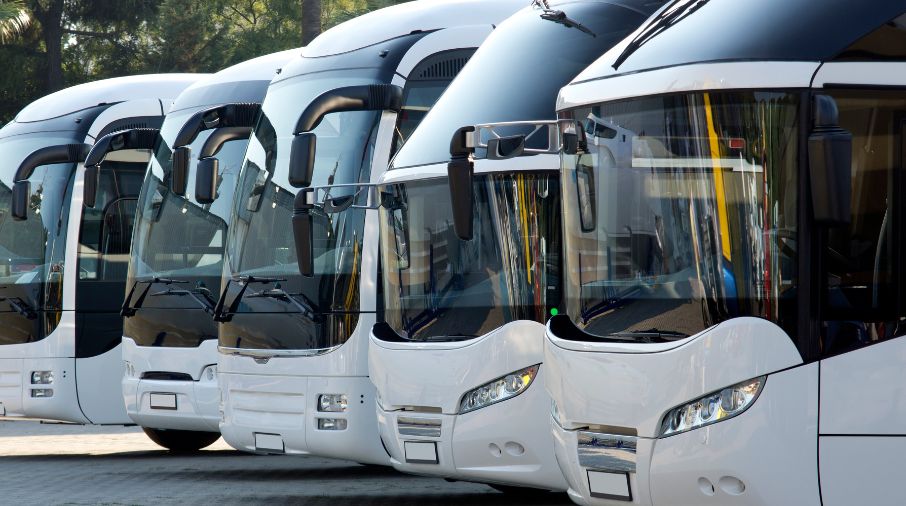
A bus paint line involves optimizing several processes to achieve the desired result, such as careful preparation, precise application, and meticulous inspection, all to ensure a high-quality finish that meets the required standards. These operations, usually on a large scale, may have specialized equipment and facilities to handle the painting process efficiently and effectively.
Next, we will list the main phases of this process, as well as the importance of paint booths for this type of service, highlighting their fundamental role in ensuring both the quality of the finish and the preservation of the environment.
Process
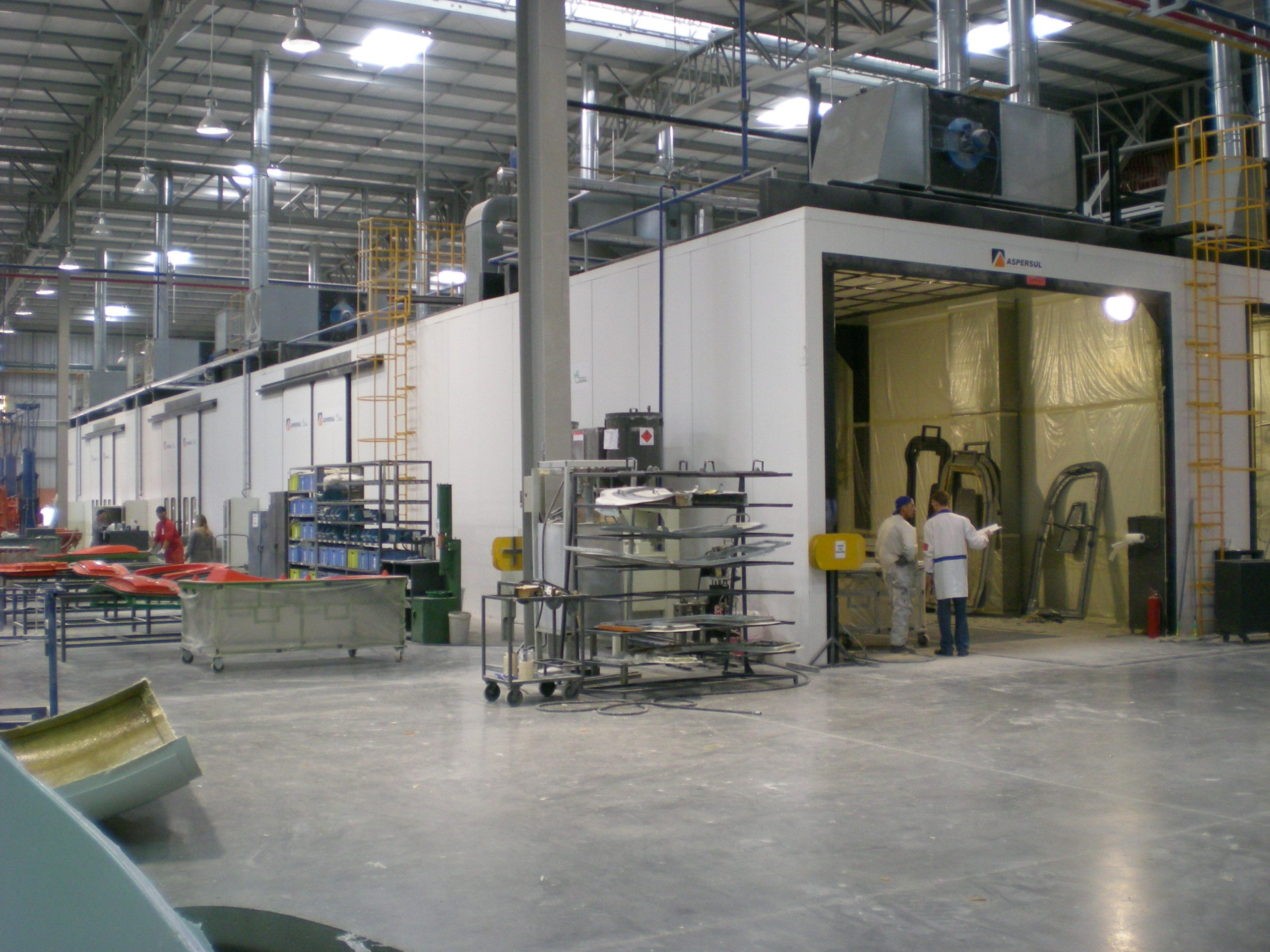
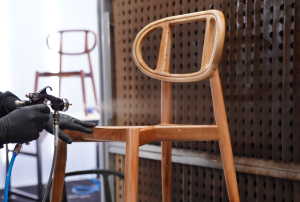
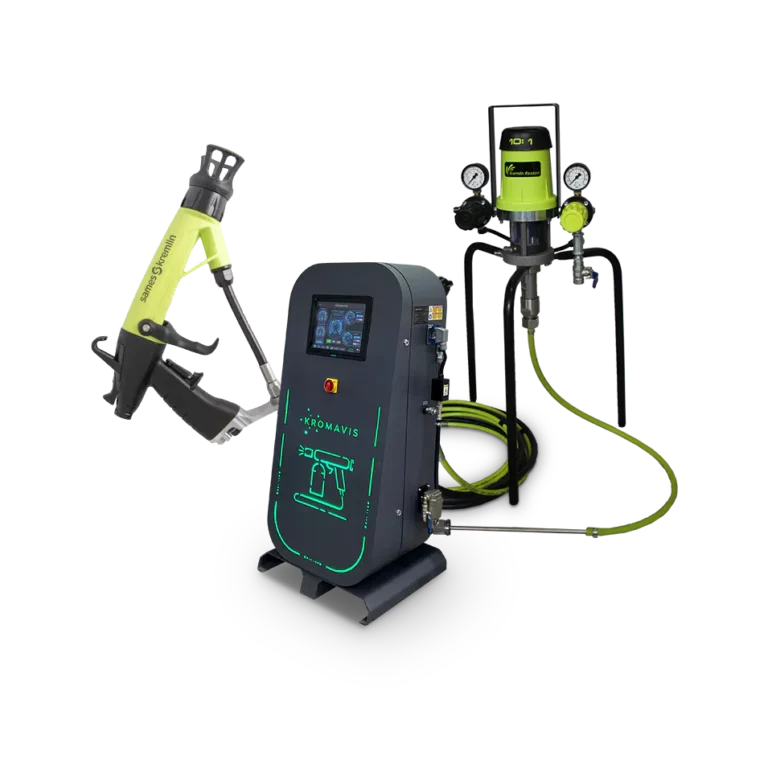
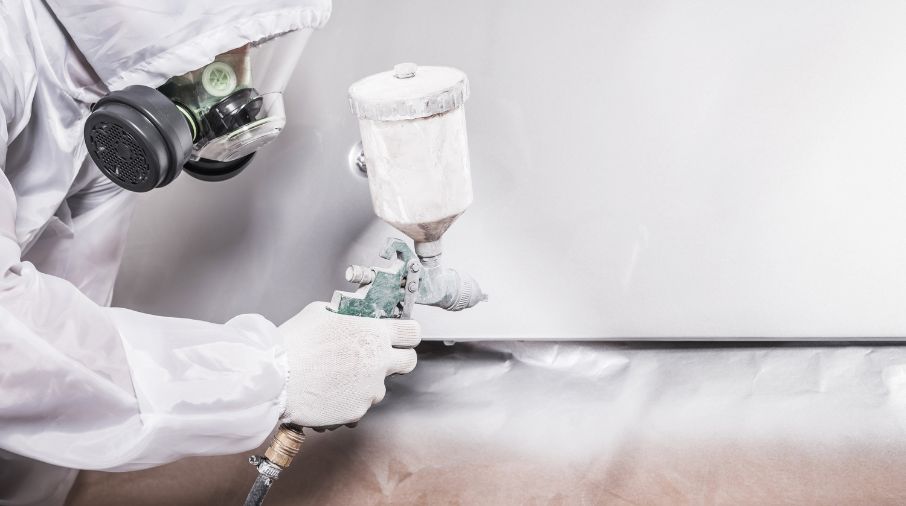
The first step in painting large structures – such as buses, for example – is choosing the process. The next steps will be defined based on this choice. In the case of buses and similar vehicles, the most commonly used type of painting is spray painting (or...). spray paintingThis involves using paint guns – which are powered by paint pumps – to spray the paint evenly and efficiently onto the bus surface.
There are different types of paint guns that can be used, such as conventional spray guns, high-pressure guns, low-pressure guns (HVLP – High Volume Low Pressure), or airless guns. The choice of gun type depends on the specifications of the painting job and the preferences of the manufacturer or operator.
Airless paint guns, for example, are frequently used in industrial painting operations due to their ability to produce a uniform and efficient coating without the need for compressed air, as they use hydraulic pressure to spray the paint, which can result in faster application and more even coverage.
Regardless of the method chosen, the steps in this process don't usually vary much. Next, let's look at the main stages of this bus painting process:
Preparation
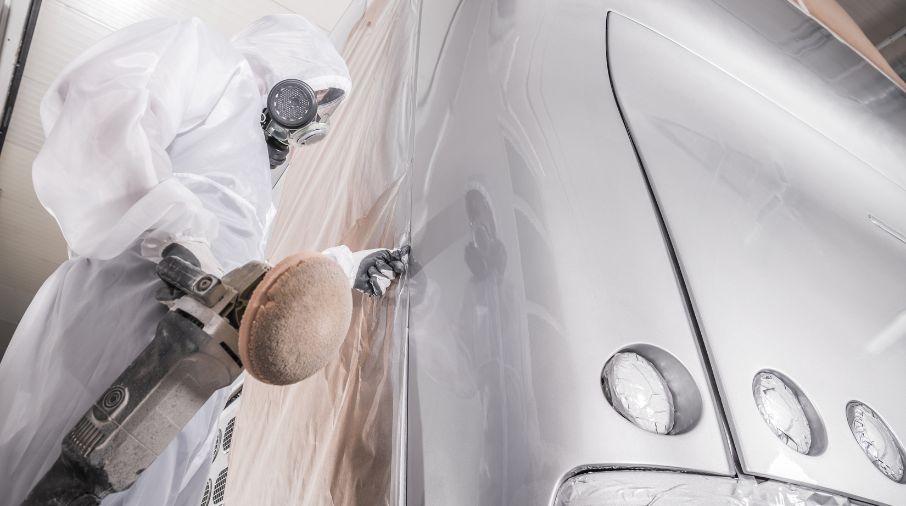
Before starting spray painting, it's necessary to prepare the surface that will receive the paint. This involves cleaning to remove dirt, grease, or other residue that could compromise the quality of the finish. In many cases, it's also necessary to sand the area before painting, precisely to correct imperfections on the surface, giving the finish a superior quality.
Masking
Before applying the paint, all areas not intended for painting need to be masked off; this includes windows, lights, trim, and other details. Masking tape and protective coverings are used to carefully cover these areas and ensure clean lines and edges.
Primer application
After this initial preparation, the prime, A primer is a type of base coat designed to prepare and protect the surface before the final paint application. This type of product helps improve paint adhesion and level the surface, as well as helping to prevent corrosion and increase the durability of the paint job.
Ink dilution
Preparing the paint is a crucial step in the bus painting process. The paint must be diluted according to the manufacturer's specifications. This may involve combining different additives and solvents to achieve the desired shade and finish. Proper mixing is crucial to ensure color consistency and even coverage.
Spray painting
With the surface properly prepared and masked, the spray painting process itself begins, and high-quality spray guns are used to apply the paint evenly and efficiently. Multiple coats can be applied as needed to achieve the desired color depth and opacity.
Drying
Another very important part of the bus painting process is drying. This can involve air drying or drying in a specialized oven to speed up the curing process. Proper drying is essential to ensure paint adhesion, providing a durable finish. In some cases, a clear coat can be applied over the base paint to provide additional protection and shine. Furthermore, clear coat helps seal the paint and provides UV protection, preventing fading and deterioration over time.
Choosing the dimensions
Given the large size and complexity of these vehicles, the choice of surfaces for bus painting must be made carefully. Below are some important points to consider when making this selection.
Paint booth size
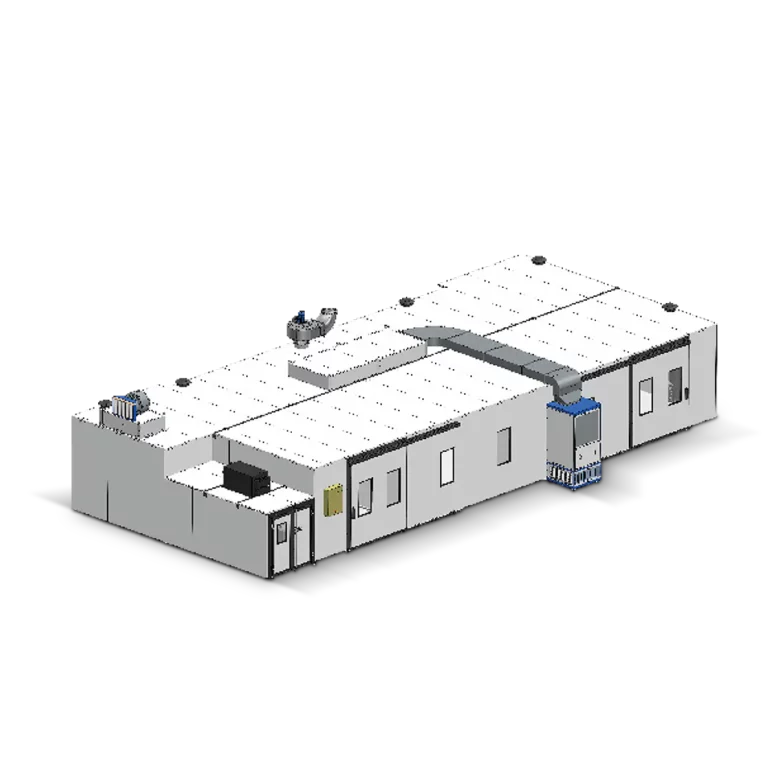
The paint booth must be proportioned enough to comfortably accommodate buses of varying dimensions. To achieve this, it must provide ample height, width, and depth to ensure sufficient space to move around the vehicles and perform painting operations efficiently. A spacious paint booth facilitates unrestricted movement and allows painters to access all areas of the bus without restriction, promoting a complete and uniform paint application.
Accessibility
Accessibility to the paint booth is fundamental for a continuous workflow. The design should prioritize easy entry and exit for buses, taking into account factors such as door size, clearance height, and entry/exit points. Well-positioned access points streamline the process of buses entering and exiting the booth, minimizing downtime and maximizing productivity.
Ventilation and filtration
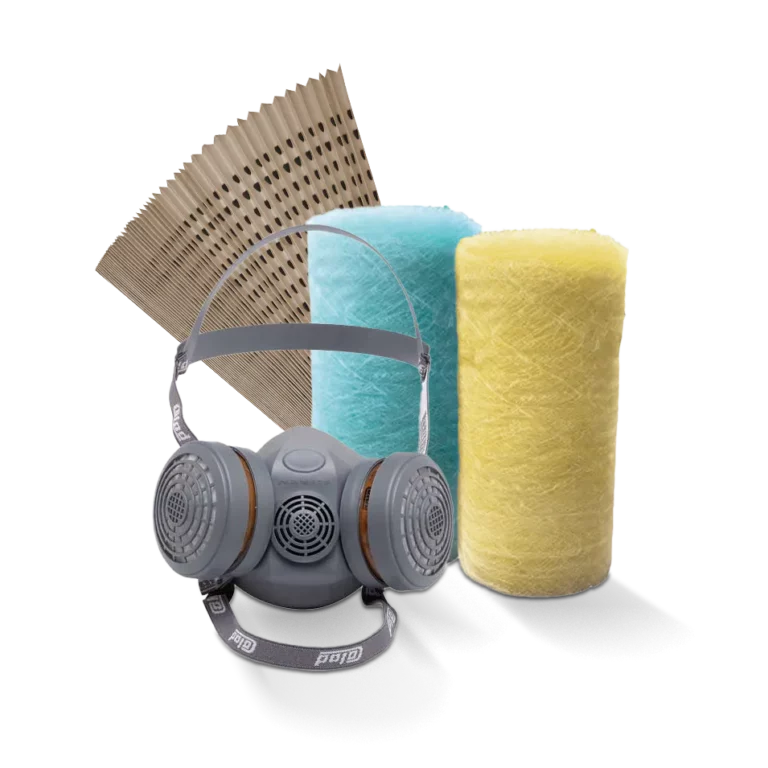
Effective ventilation systems are essential for maintaining a safe and healthy working environment within the paint booth. The paint booth should be equipped with appropriately sized filters to control overspray, remove fumes, and ensure adequate air circulation, helping to mitigate the risk of respiratory problems and ensuring compliance with safety standards.
If the painting process involves drying and curing, the oven must be large enough to accommodate buses of varying sizes. Industrial-sized ovens capable of accommodating multiple vehicles simultaneously may be necessary to ensure efficient throughput and minimize downtime. The oven dimensions must be carefully considered to ensure ample space for the safe entry and exit of buses, while also allowing for even heat distribution to achieve consistent drying and curing results.
Environmental considerations
In the context of large-scale paint booths for buses and similar vehicles, the selection of environmentally friendly paint materials is crucial. Effective waste management practices play a vital role in ensuring the environmental sustainability of large-scale bus paint booths.
Proper disposal and recycling of excess paint and waste materials are essential to minimize the generation of hazardous waste and prevent environmental contamination. Implementing comprehensive waste management protocols involves segregating different types of waste, such as paint waste, solvents, and packaging materials, for recycling or proper disposal.
Aspersul specializes in special projects, creating paint lines specifically designed for each type of situation. To learn more about the various... cases For success in this area, visit our page about special projects For further assistance, or to speak with one of our specialists, they will surely find a solution for your painting and finishing needs.
Did you like this post? Share it with your friends or on social media. For more tips on painting and its equipment, visit our blog with exclusive content.