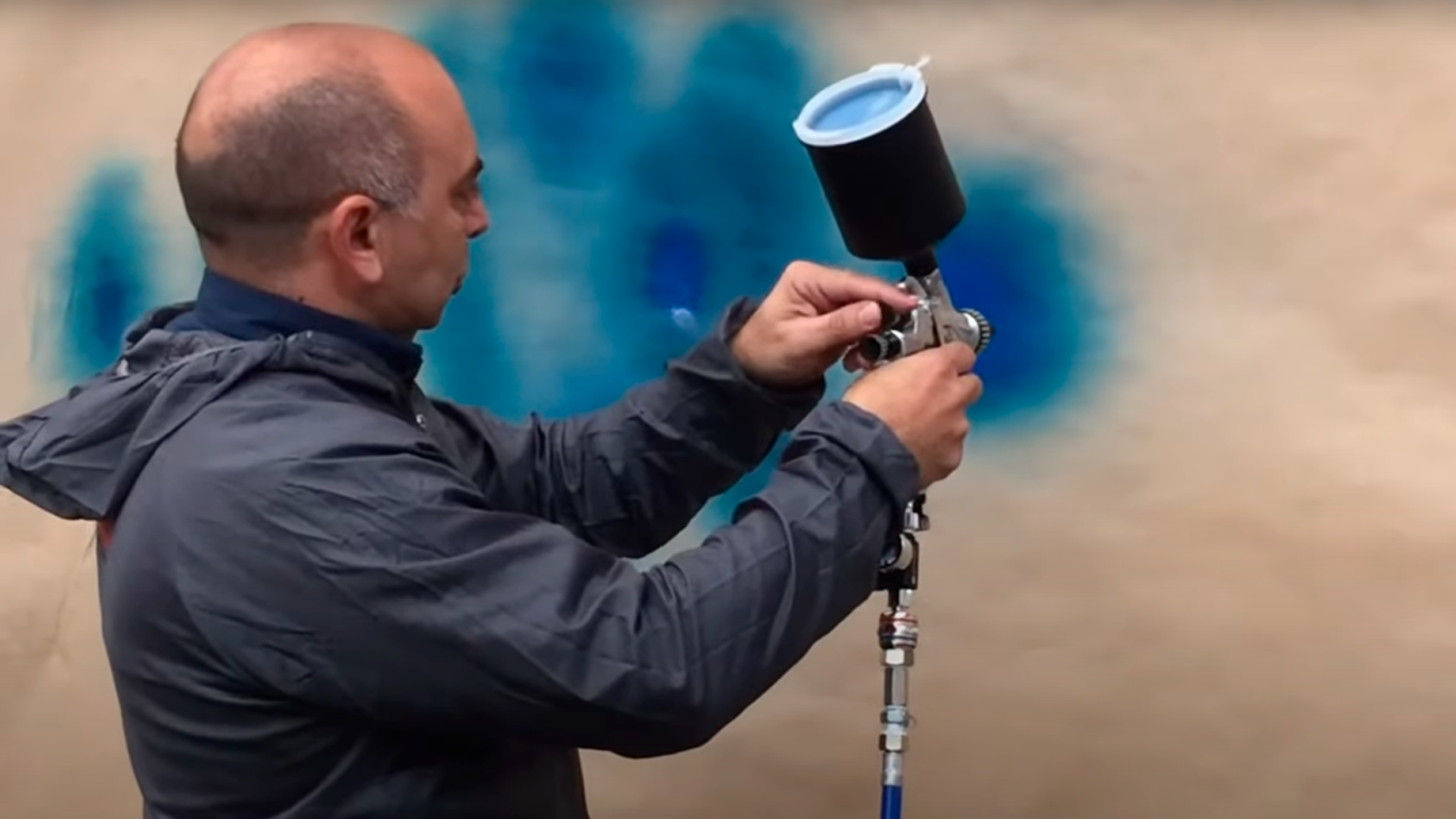
When it comes to applying paint and coatings to surfaces, choosing the right paint gun can make all the difference.
There are three main types of paint guns: HVLP, LVLP, and conventional. Each has unique characteristics such as efficiency, paint consumption, and required air pressure. If you want to improve your application and are wondering which is the best option for your needs, you've come to the right place.
In this article, we will explore the main differences between these paint gun models to help the reader find the most suitable solution for their type of work.
Conventional pistols
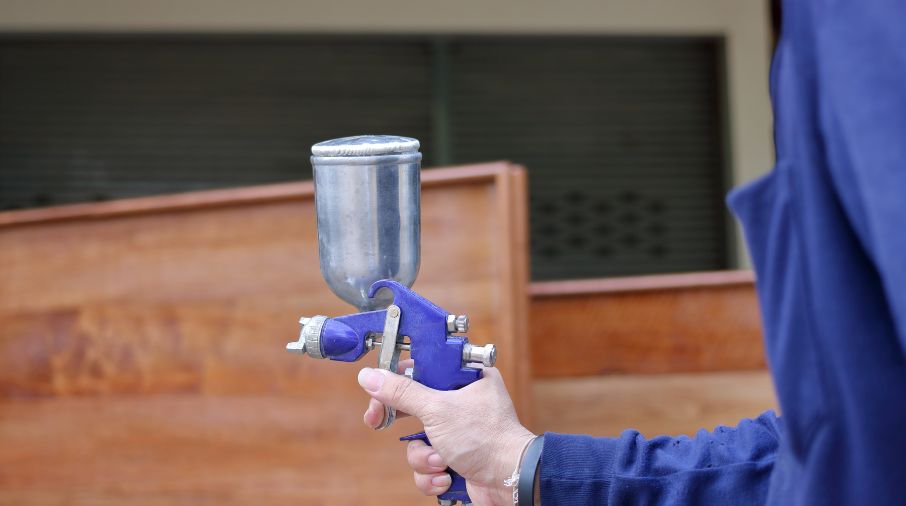
Let's take a closer look at conventional paint guns. These guns have a distinctive feature: they use higher air pressure to spray the paint. This high air pressure provides intense spraying, which can be beneficial in some situations, but it can also result in greater paint dispersion, also called overspray, leading to potential waste.
One of the disadvantages of conventional spray guns is that they tend to be less efficient in paint usage compared to HVLP and LVLP models. This is because the high air pressure can cause greater paint dispersion, resulting in higher product consumption and, consequently, more waste. Therefore, if your business model prioritizes resource optimization, it is advisable to consider other options.
However, conventional paint guns are known for their versatility. They can handle a variety of paint viscosities, making them a popular choice in application scenarios where flexibility is important.
HVLP (High Volume Low Pressure)
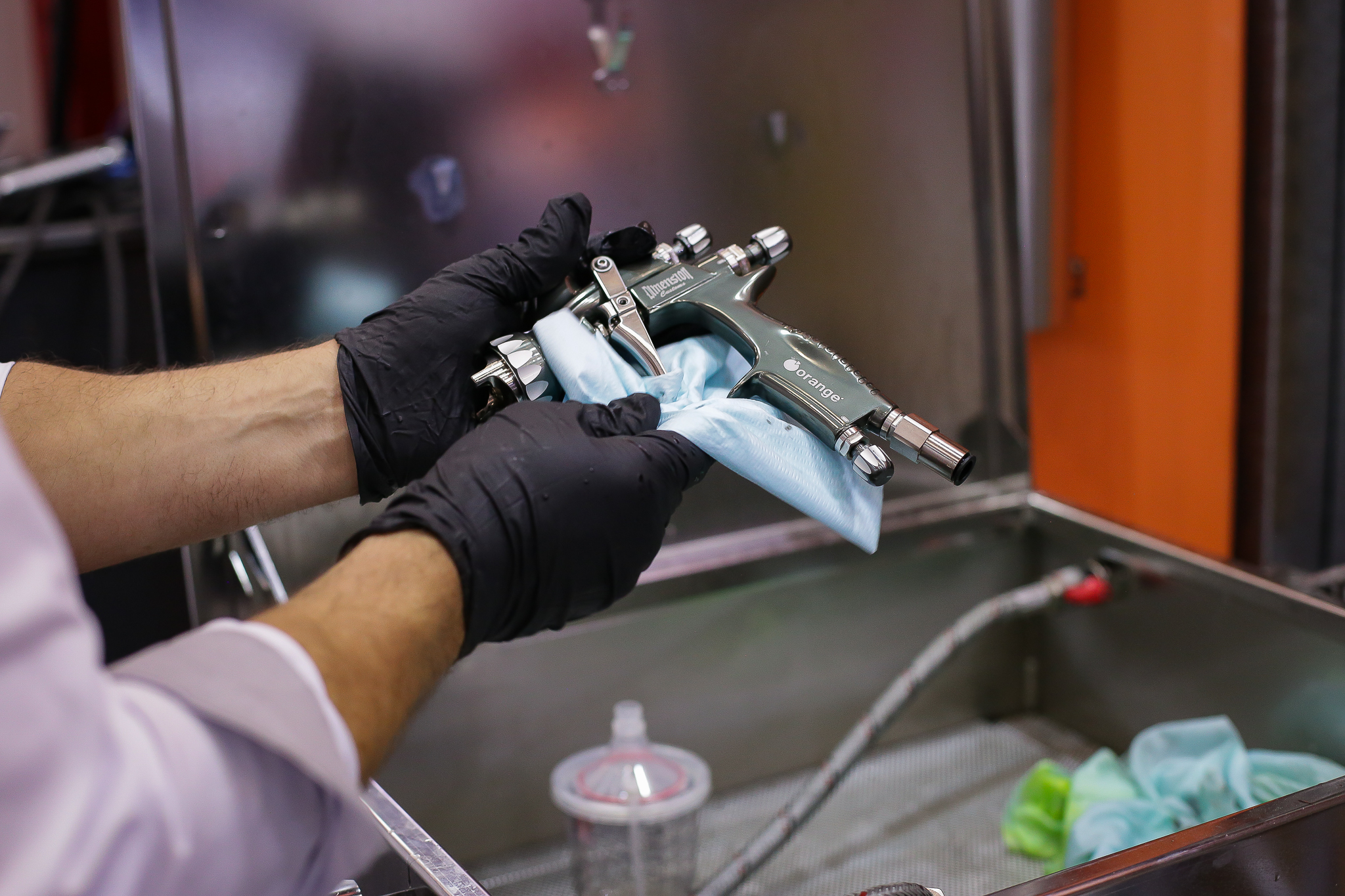
Now, let's explore the characteristics of HVLP (High Volume Low Pressure) spray guns, which are widely recognized for their advantages in terms of paint economy and finish quality. The main distinction of HVLP spray guns is their operating method. They use a high volume of air at low pressure to atomize the paint, making them exceptionally efficient in paint application.
The efficiency of HVLP sprayers in reducing paint waste is remarkable. This is because a large portion of the paint is sprayed directly onto the target surface. Compared to conventional models, this represents a significant reduction in overspray generated by the application.
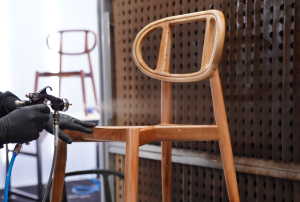
HVLP spray guns are chosen for applications where a high-quality finish is essential. Activities such as automotive repair and spot painting in the furniture industry widely use this model due to its application quality. The ability of HVLP spray guns to control the amount of paint sprayed makes them ideal for projects that require a smooth and uniform finish.
It's important to mention that HVLP spray guns require a low-pressure air compressor, generally ranging from 10 to 20 PSI (pounds per square inch). Therefore, when considering using an HVLP spray gun, make sure you have the appropriate compressor to ensure effective performance.
In contrast, this model requires larger volume air compressors, with sizes above 100 liters being recommended. This will result in a large volume of air being used when atomizing the paint.
LVLP (Low Volume Low Pressure)
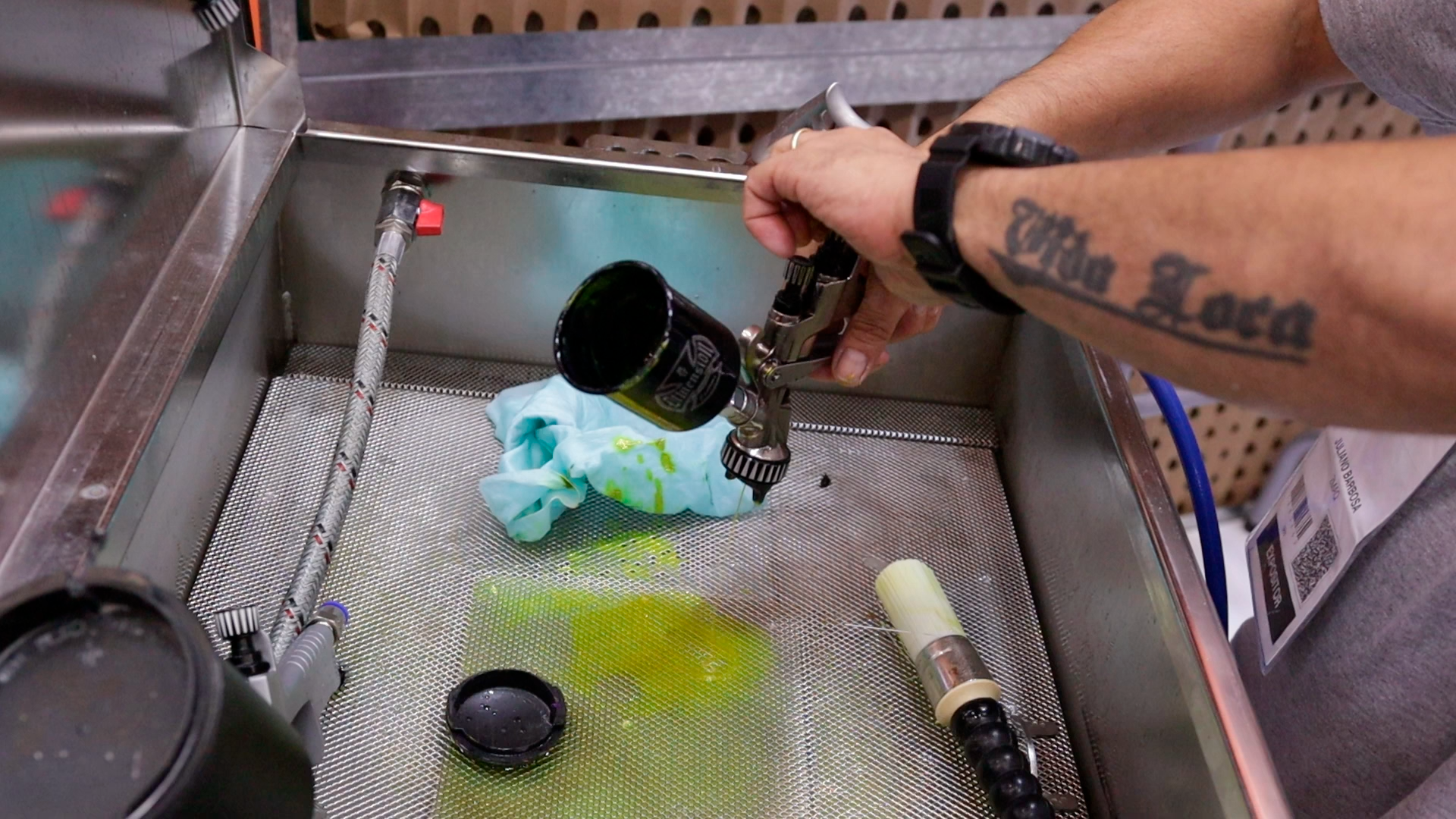
Low-volume, low-pressure (LVLP) spray guns represent an interesting alternative to high-volume (HVLP) guns and have their own notable advantages. LVLP guns also operate at low pressure, but they use a smaller volume of air compared to HVLP guns and therefore require smaller air compressors, generally 25 to 50 liters.
One of the main advantages of LVLP spray guns is their air consumption efficiency. Due to the reduced volume of air required for operation, LVLP guns also produce less overspray during spraying, making them a cleaner option for the work environment. This means there is less paint dispersion in the air and, consequently, less risk of contamination and environmental pollution.
LVLPs are especially suitable for working with small parts or small application areas, due to their superior handling of low paint flow rates and compressed air consumption.
Conclusion
The choice between HVLP, LVLP, and conventional paint guns is a decision that should be carefully considered, taking into account specific application needs. The desired finish quality, planned paint consumption, and the availability of compressed air equipment are crucial factors to consider.
HVLP spray guns excel at saving paint and achieving high-quality finishes, making them ideal for industries such as automotive and fine furniture manufacturing.
LVLP systems offer an efficient alternative in terms of air consumption and reduced mist production, making them an excellent choice for small touch-ups and painting.
On the other hand, conventional spray guns are known for their versatility, but are less efficient in terms of paint economy.
Therefore, when choosing the right paint gun, carefully evaluate these factors to achieve exceptional results in your painting projects.
To learn more about professional painting and other content related to painting and finishing, access the rest of our website. blog, always with new and exclusive content.