Activated carbon can be used in a variety of areas, from cleaning and filtering effluents to filtering gases that are harmful to health or major pollutants.
Activated carbon is produced from the controlled burning of certain types of wood. This burning is done at a temperature ranging between 800°C and 1000°C. All this care is taken to prevent complete combustion and loss of the material's porosity. It is through these pores that the filtering of elements will take place.
Activated carbon is used in various filtration systems, such as in water and wastewater treatment, and in the absorption of toxic gases from industrial processes, such as painting processes.
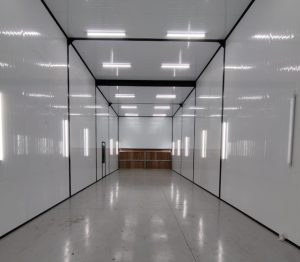
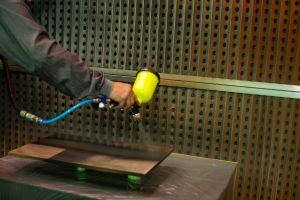
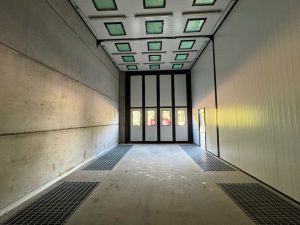
Typically installed in dry paint booths, the activated carbon filter is present in the paint mist exhaust stage in the booth's second filtration barrier. It works in conjunction with the Carta Inertial and PA-50 filters, each of which has a function in the paint mist filtration process.
The use of charcoal filter It is necessary in various industrial processes due to environmental and labor requirements that vary depending on the state where the company is located. Given this, the ArpiAspersu GroupThis ensures that all paint booths can be adapted for use with this filter, according to user needs.
Activated carbons can be produced from any carbonaceous material, with wood waste currently being the most commonly used material for pulverized carbon and coconut shells for granulated carbon. They are found in granular or manna form.
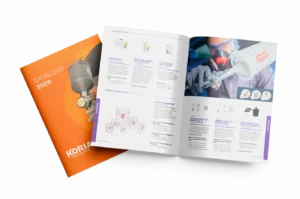
It can also be used in the form of small filters adapted for respiratory masks, such as the brand exclusively represented in Brazil by the Group, Colad.
Activated carbon has high levels of filtration of polluting elements and gases, as well as bad odors, especially from paints, solvents, and materials used in the painting process.
It is important to emphasize that the potential of its pores is limited, because when they are filled, it loses its filtering power. When the adhesion area is blocked, air impurities do not adhere to the charcoal, releasing them into the environment. Therefore, periodic replacement of the filter is recommended to maintain filtration and air quality.