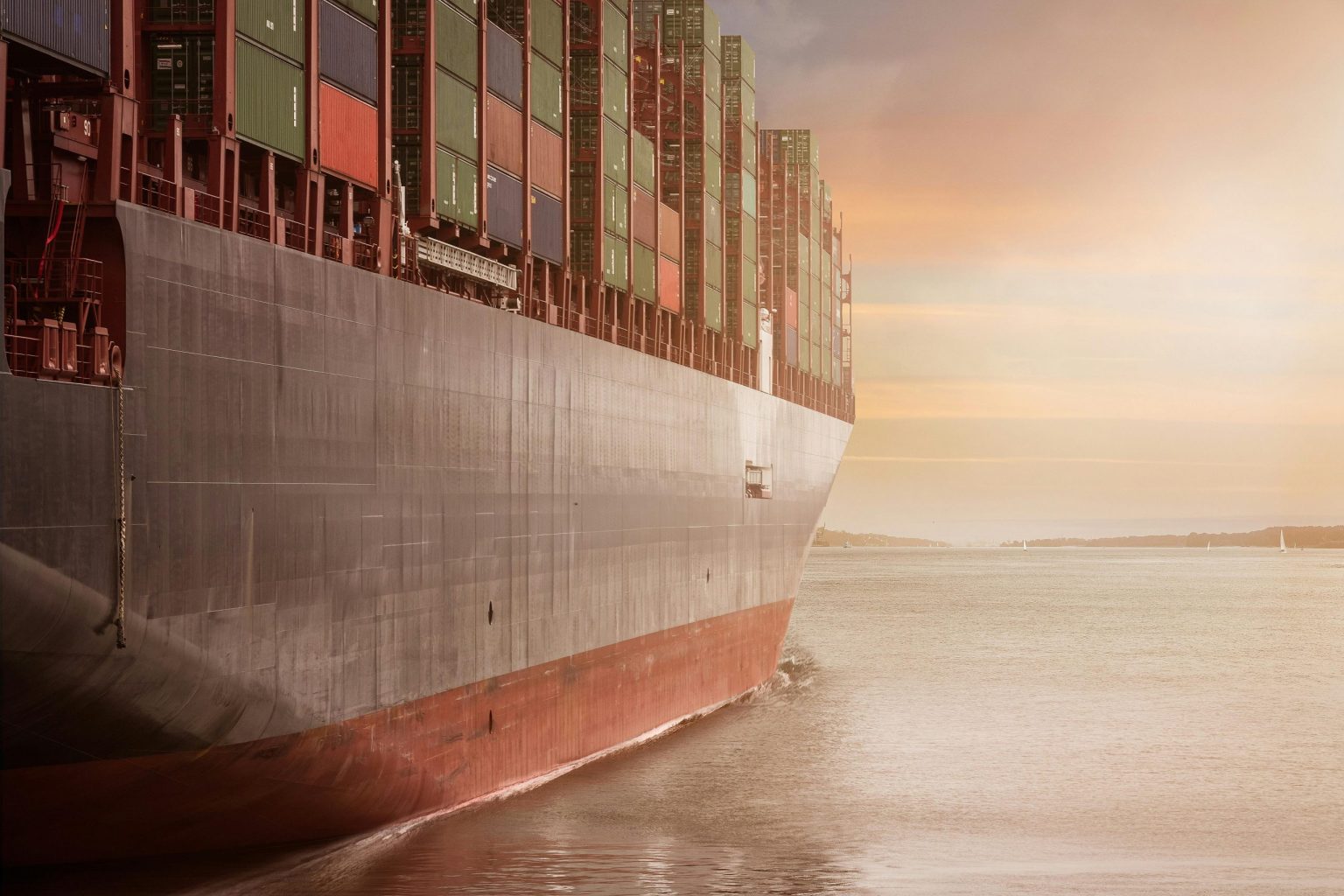
For those who own boats, whether for work or leisure, one of the main enemies is the water itself, after all, it is the water that causes corrosion.
While impossible to avoid in the long term, corrosion can be controlled, thus increasing the lifespan of vessel components. Most importantly, the methods of prevention are relatively simple.
Below we will explain how corrosion occurs, the difference in how this phenomenon affects freshwater or saltwater, and the best ways to prevent it.
What is corrosion?
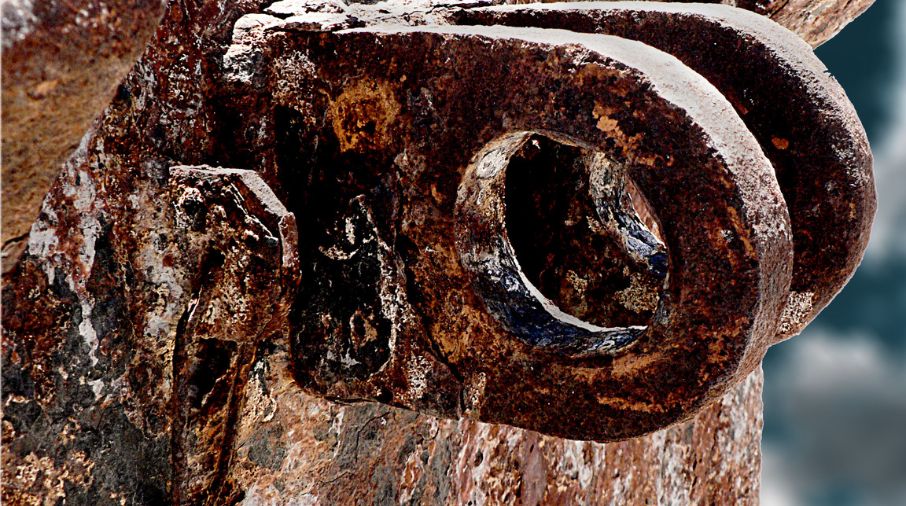
Corrosion is a natural and gradual process of deterioration of materials, especially metals, due to reaction with their environment. It generally occurs when metals come into contact with substances such as water, oxygen, chloride ions, and other chemical elements present in the environment.
Oxidation, on the other hand, is a chemical process that involves the loss of electrons by an atom or ion. In other words, oxidation is a specific type of chemical reaction that contributes to corrosion.
Rust, on the other hand, is a specific type of oxidation that occurs when iron reacts with oxygen and water, forming iron oxide, better known as rust. Therefore, rust is a form of corrosion specific to iron. Other metals can corrode in different ways, producing distinct oxidation compounds.
Where does corrosion act most?
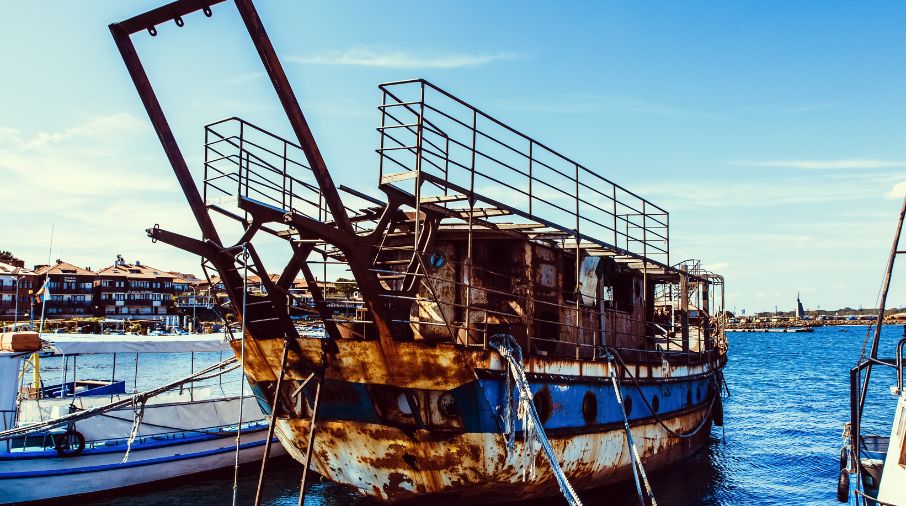
Corrosion can occur in both freshwater and saltwater environments, but the risks and mechanisms differ between these two environments. Corrosion in freshwater is generally less aggressive than in saltwater due to the lower concentration of chloride ions.
However, marine environments, especially saltwater, are highly corrosive due to the presence of chloride ions, which accelerate the corrosion process. Therefore, corrosion in saltwater can rapidly affect metals such as steel and aluminum, compromising the structural integrity of vessels.
Ways to prevent corrosion on boats and ships?
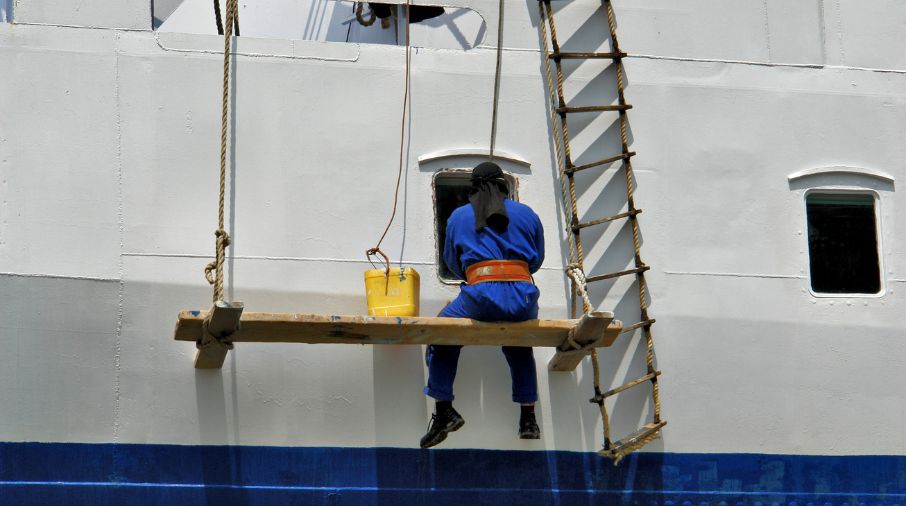
To protect vessels against corrosion, several strategies are adopted; let's look at the most common ones:
Chemical pretreatment and coating with special paints
Vessels utilize metals that undergo a chemical pre-treatment process, precisely to increase the durability of components that come into contact with the salinity of the sea. Chemical baths, with or without heating, promote a protective layer that improves the durability of components vital to the operation and safety of the vessel.
In addition to chemical treatment, coating with special paints is also a solution to increase the protection of metal surfaces against corrosion. These coatings are formulated with chemical compounds specifically designed to resist corrosion and extend the durability of materials.
In addition to protecting against corrosion, special paints are formulated to resist abrasion and impact, essential characteristics in marine environments where vessels may come into contact with floating debris, rocks, or other rough surfaces.
Regular cleaning
Regularly cleaning exposed boat surfaces with fresh water and mild soap helps remove salt deposits, dirt, and other contaminants, thus reducing factors that contribute to corrosion.
Sacrificial anode
Sacrificial anodes are pieces of less noble metal installed on the vessel to corrode before more critical components. This protects vital parts, such as the hull and propellers, by sacrificing the less valuable metal.
Preventive maintenance
Regular inspections and preventive maintenance are crucial for detecting and correcting corrosion problems in their early stages. This may involve repairs, replacement of corroded parts, and the application of protective measures.
Did you like this post? Share it with your friends or on social media. For more tips on painting and its equipment, visit our blog with exclusive content.