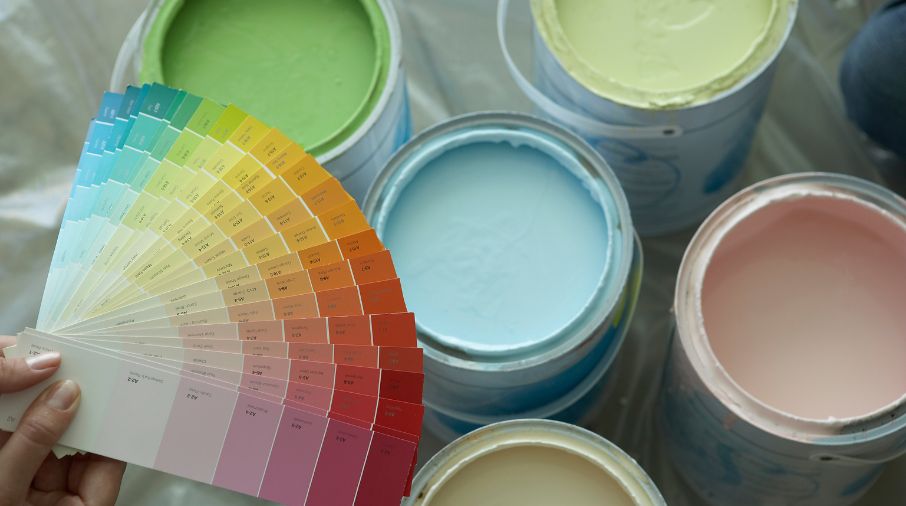
The MDF (Medium Density FiberboardMDF (Medium Density Fiberboard) is a material widely used in carpentry and decoration due to its versatility and practicality. Made from pressed wood fibers and resins, MDF has a smooth and uniform surface, ideal for receiving different types of finishes, such as paint or lamination. Among its advantages are ease of cutting and handling, which allows for the creation of customized pieces, in addition to being a more affordable option compared to solid wood. These characteristics make MDF a popular choice for furniture, decorative objects, and interior paneling.
Choosing the right paint for MDF is crucial to ensure the durability of the finish and an impeccable look, as the appropriate paint not only protects the material against wear, moisture, and stains, but also enhances the aesthetics of the piece, allowing for adaptations to the desired style. Without the ideal paint, MDF can suffer damage such as blistering, peeling, or loss of adhesion, especially in environments with high humidity or constant exposure to use.
There are various types of paint available for painting MDF, and the choice of paint depends on factors such as the application location, the desired finish, and the durability required for the project. Below, we will explain in more detail the main types of paint and how to choose the ideal paint for painting MDF.
Types of Paint for MDF
Acrylic Paint
Among the main characteristics of acrylic paint is its quick drying time – typically dry to the touch in about 20 to 30 minutes – allowing for the application of several coats on the same day. Easy to apply, it is available in a wide range of shades, can be customized with mixtures, and offers finishing options such as glossy, matte, or satin, giving it aesthetic flexibility for different uses.
Other advantages of this type of paint include its resistance to water and moisture, since, after drying, it forms a film that protects against paint splatters, and its ease of cleaning, with tools being able to be cleaned with just water while the paint is still fresh.
Its main disadvantage is that it is a less durable paint in outdoor environments and does not withstand prolonged exposure to sun, rain, or temperature changes well. Similarly, in very humid areas, it may form bubbles or lose adhesion over time. Furthermore, due to its thinner layers, it requires more coats to achieve uniform coverage on very porous surfaces.
Therefore, acrylic paint is ideal for furniture, shelves, and decorative MDF panels used indoors, making it an excellent option for frames, boxes, or wooden ornaments that will not be exposed to the elements.
Latex Paint
Composed primarily of water, which facilitates the cleaning of tools and reduces environmental impact, latex paint offers a smooth, matte finish, ideal for large surfaces or those that need to conceal imperfections, making it an efficient solution for covering porous surfaces or surfaces with pre-existing colors.
Among its main advantages are its easy application and low odor, as its water-based formula releases fewer vapors, making it more comfortable for use in indoor environments. In addition to being economical, it dries quickly, typically dry to the touch in a few hours, allowing the space to be used promptly.
However, one of its main disadvantages is its lower resistance to abrasion, which can cause wear and tear with constant friction or frequent cleaning. Furthermore, it is a moisture-sensitive paint and therefore not recommended for areas subject to splashes or high exposure to water, such as kitchens and bathrooms, and because it is generally available in a matte finish, it has little aesthetic flexibility.
Therefore, latex paint is ideal for dry areas such as living rooms, bedrooms, and hallways, and for furniture that is not frequently used, such as bookshelves or decorative cabinets, making it a great choice for those who need to paint large surfaces on a limited budget.
Synthetic Enamel
Because it forms a resistant film that protects the surface against impacts and abrasions, synthetic enamel is an interesting option for humid environments or where constant cleaning is necessary. Furthermore, its glossy finish provides a sophisticated and reflective look, with satin and matte options available from some brands.
Its main advantage is its resistance to the elements, such as sun, rain, and climate changes, which makes this type of paint ideal for furniture that needs to be durable, even when subjected to constant wear and tear, such as tabletops or countertops.
The main disadvantage is the strong odor during application, as its composition contains solvents that require good ventilation during the process. Furthermore, this type of product demands more careful surface preparation, such as sanding or the use of [unclear/material - possibly a cleaning agent]. first And although available in standard options, it may offer less customization possibilities compared to water-based inks.
Therefore, this type of paint is ideal for surfaces that require resistance to impacts or frequent cleaning, such as doors and baseboards, and is an excellent option for kitchen and bathroom furniture, which are frequently exposed to moisture, as well as furniture for outdoor areas such as gardens and balconies.
PVA paint
Another option for painting MDF, PVA paint is composed of water-based polymers, making it easy to clean, safe for home use, and offering a smooth, matte finish, which makes it an interesting option for projects with a handcrafted touch that require easy cleaning.
This paint is ideal for creative MDF projects, such as decorative boxes, picture frames, and personalized pieces, allowing for various techniques like patina, decoupage, stenciling, and sponge painting. Its quick drying time speeds up the process in projects requiring multiple layers or delicate details, and it's also more economical compared to other paints, making it ideal for smaller-scale projects.
Like other types of water-based paint, PVA paint is not recommended for objects or surfaces that come into contact with moisture, and it also has low abrasion resistance, as it can wear out quickly if exposed to constant friction.
Epoxy paint
Epoxy paints are characterized by their high chemical and physical resistance, withstanding impacts, abrasions, humidity, chemicals, and high temperatures. Furthermore, they provide a sophisticated and uniform appearance, ideal for surfaces requiring aesthetic durability and impermeability, as they form a protective layer that prevents liquid absorption.
Due to its high resistance, it is a great option for furniture and objects subject to intense wear and tear from daily use or exposure to aggressive substances, and when applied correctly, it can last for years without needing touch-ups.
One of the biggest challenges with epoxy paint is its complex application, which requires meticulous preparation and the use of... first and mixing of components (resin and catalyst) before application, in addition to a longer drying time (it can take up to 24 hours to dry to the touch) and the need for ventilation. Another important point is that it is more expensive than other paints, a factor to be considered in large-scale projects.
How to choose the ideal paint
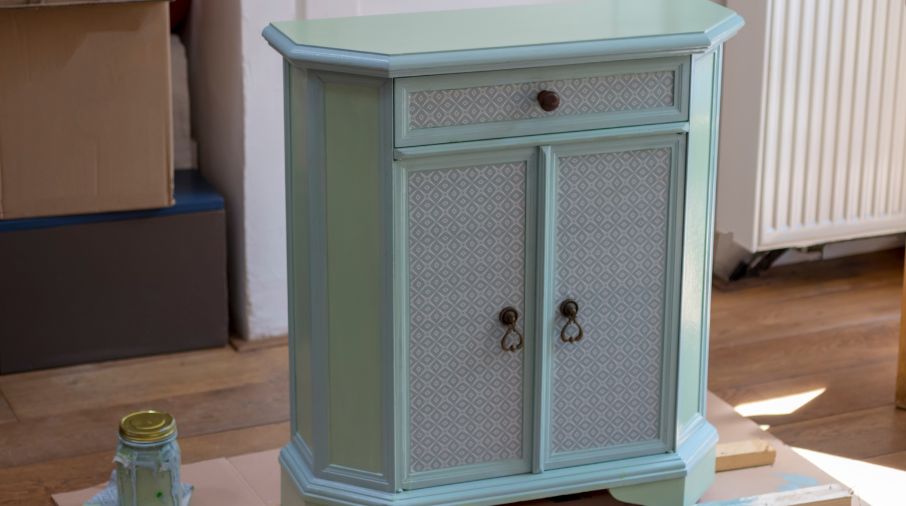
Below are some important points to consider before choosing the ideal paint for painting MDF:
Exposure level
The first point to consider is the level of exposure of the pieces to the elements. For example, for surfaces that will frequently come into contact with water and moisture, choose waterproof paints, such as epoxy or synthetic enamel. Similarly, choose these models for outdoor surfaces exposed to the sun, especially those with UV protection that prevent the paint from fading easily. These are also great options for surfaces subject to contact with cleaning products containing strong chemicals.
Desired finish
If you want to highlight your piece or want something easy to clean, glossy finish paints are the best options. Matte paints, on the other hand, are excellent choices for hiding imperfections or providing a softer, more discreet finish.
Required durability
Frequent use of furniture or surfaces will require more durable paints, such as synthetic enamel or epoxy. For decorative pieces or even furniture that is used less frequently, simpler options may suffice.
Ease of application
One of the biggest challenges in choosing paints is their application. Therefore, for those starting out working with MDF finishes, water-based paints, such as acrylic or latex, are easier to apply and correct any mistakes. But for those with experience and greater skill in application, epoxy and enamel paints offer more durable results.
Budget
Finally, a decisive factor when choosing the ideal paint for your MDF is related to the budget available for the job. Therefore, PVA and latex paints are more affordable and suitable for less complex projects. For intermediate jobs, meaning good quality and a variety of finishes at a medium cost, acrylic paints are the most suitable. And for a superior finish and greater durability, but with a higher investment cost, epoxy and synthetic enamel paints remain the best options.
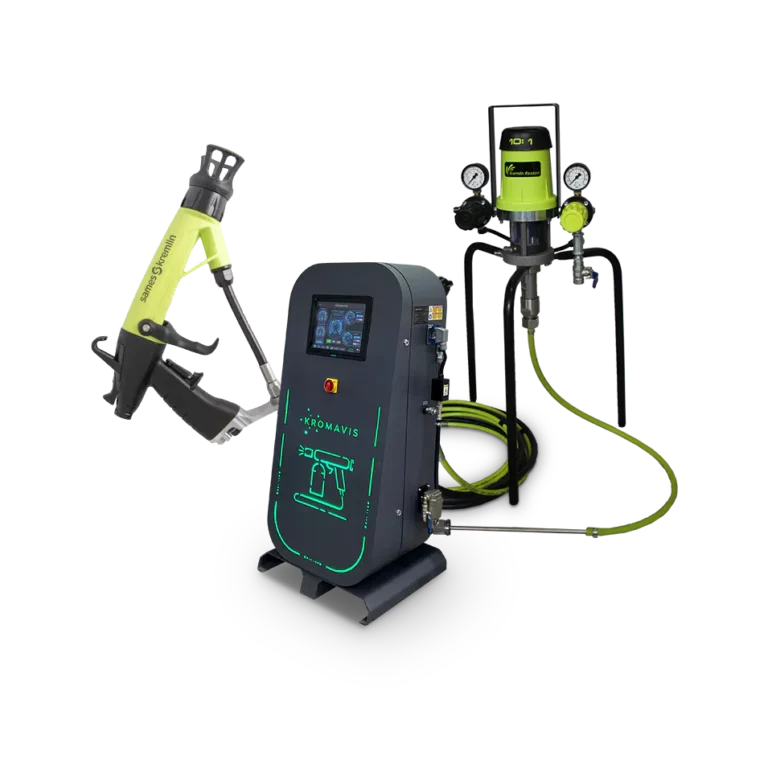
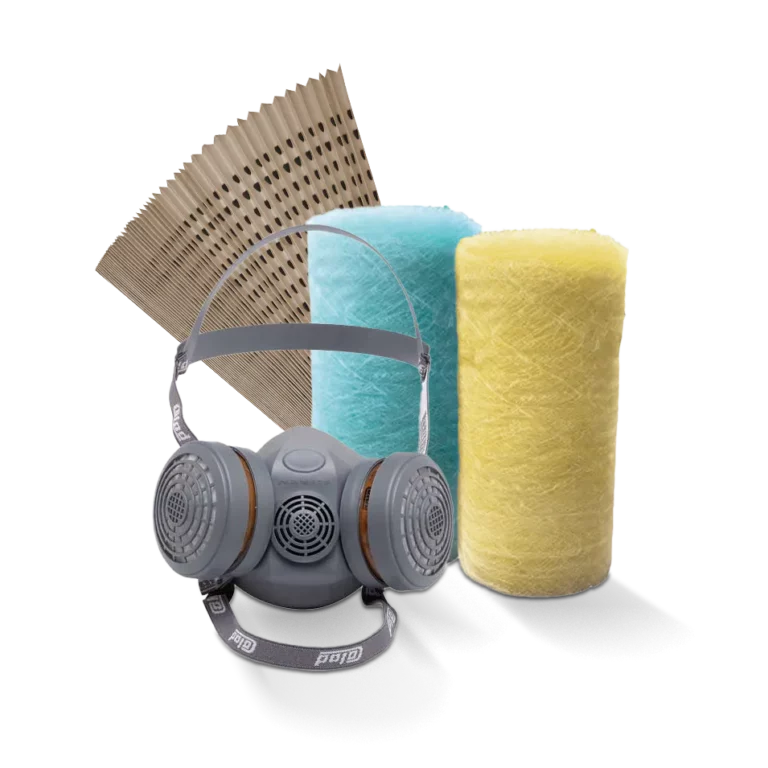
While you choose the ideal paint at your preferred retailer, on the Tudo Para Pintar website you can find the equipment and accessories. for your painting process: paint guns, UV LED systems (such as primers, fillers and specific varnishes), sanding tools and equipment, PPE (coveralls, respirators, gloves) and various accessories, such as mixing cups, masking tapes, preparation and cleaning kits, hoses, adapters, pressure gauges and compressed air filters. All this to prepare the surface, apply and finish the paint on MDF with more efficiency, safety and a professional finish.
If in doubt, contact one of our specialists: they will indicate the most suitable equipment for your MDF painting project, according to the type of paint and the result you wish to achieve.
Did you like this post? Share it with your friends or on social media. For more tips on painting, surface preparation, equipment and accessories, visit our [website/page/etc.]. blog, always with exclusive content.