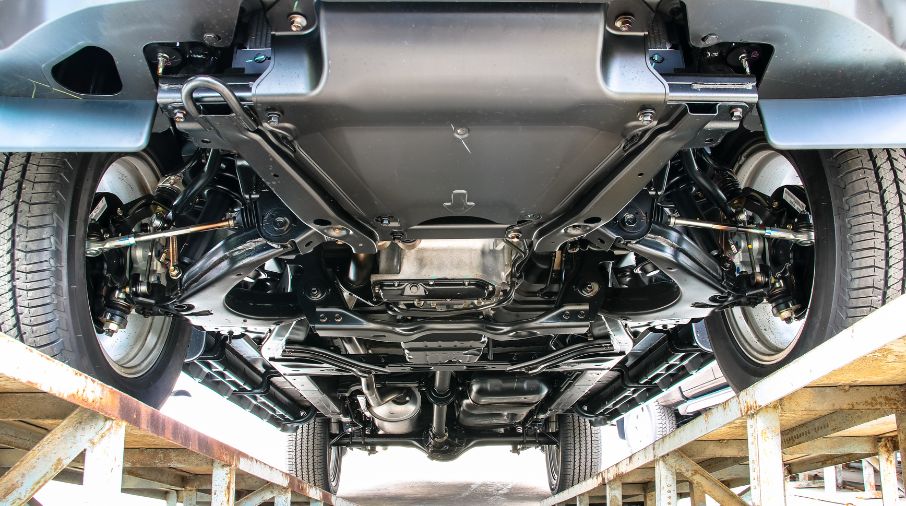
The industrial production of chassis and chassis involves a series of processes that guarantee their integrity, durability, and resistance for a wide variety of sectors. Precisely because there is a wide range of applications, such as in the aeronautical, naval, and road industries, it is necessary to structure production and treatment according to the variables in which these chassis and chassis will be used.
Chemical pretreatment is one of the initial ways to protect and impart specific properties to metals; therefore, it is necessary to understand how each process works in this improvement journey.
Main preparation processes
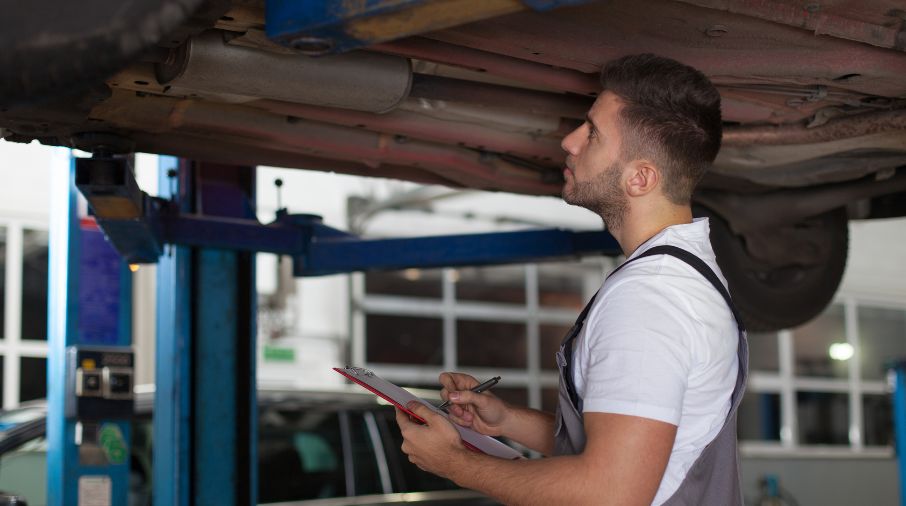
Degreasing
The first step before any type of finishing is degreasing. This involves removing any remaining grease, oil, dirt, or other contaminants from the metal surface. This entire process can be done with chemical degreasers that dissolve these contaminants, making them water-soluble and therefore easier to rinse off.
Pickling
In some cases, you will need to remove coatings found on the surface of chassis or bodywork, such as oxides, old paints, or any other substance that prevents proper paint adhesion. To do this, you must perform a process called stripping, which involves applying acids or other chemical agents to remove these unwanted coatings.
Phosphating
Performed after cleaning and pickling, phosphating is a process that involves applying a phosphate coating to the metal surface. By performing phosphating, you will contribute to better paint adhesion, thus creating a surface that is much more receptive to it.
Passivation
In some cases, particularly with metals like aluminum, you will need to passivate the surface, a process that ensures corrosion resistance and promotes paint adhesion. Passivation is generally performed using a specific chemical solution designed to create a protective layer on the metal surface, and these solutions may contain acids such as nitric acid, chromic acid, or phosphoric acid, among other chemicals.
Final rinse
Although it may seem like a common action, the final rinsing process is one of the most important in this stage of preparing chassis and bodies. In this step, you must thoroughly rinse the surface to remove any chemical residue that may have remained from previous processes. This action ensures that the surface is completely clean before applying the paint, guaranteeing a final result as desired.
Care in preparing chassis and car bodies
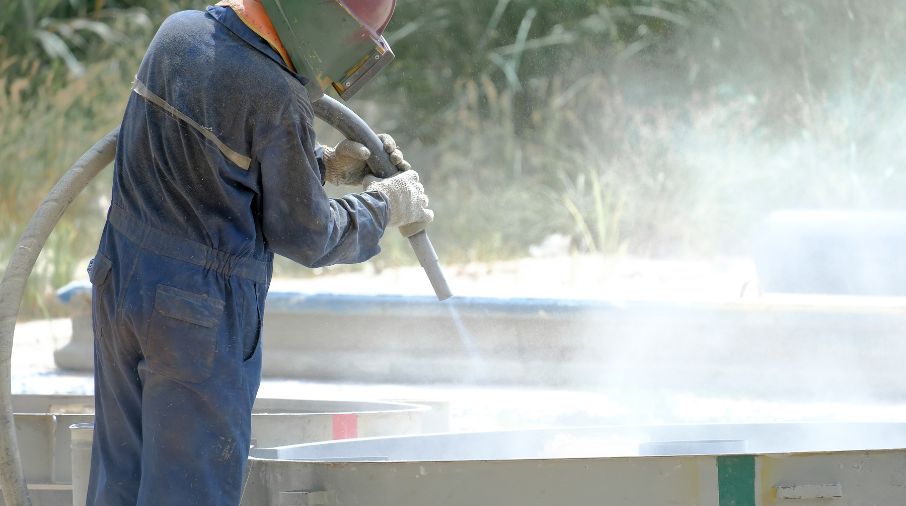
When performing chassis and body preparation operations for painting, it is crucial that you observe a series of precautions to ensure operator safety, process effectiveness, and compliance with environmental regulations.
The first step is to ensure that everyone is using Personal Protective Equipment (PPE). Since these processes involve toxic and highly corrosive chemicals, it is essential to use gloves, safety glasses, respirators, and protective clothing, in addition to other equipment recommended by the manufacturers of these products.
It is also important to follow the manufacturers' instructions when handling and storing these products. You should avoid direct contact with skin and eyes, and keep them away from any source of ignition.
In addition, work in well-ventilated areas to avoid inhaling chemical fumes and to ensure proper dispersion of any gas or vapor released during preparation processes.
Another important action is the implementation of measures to contain and control pollution caused by chemical waste, such as the installation of solvent recovery systems and the proper disposal of hazardous waste in accordance with local environmental regulations.
Take precautions to avoid accidents such as chemical spills, fires, or explosions. This may include using appropriate containers for storing chemicals, regularly maintaining equipment, and training personnel in safety procedures.
Finally, perform regular inspections and preventive maintenance on equipment such as pickling tanks, ventilation systems, and safety devices to ensure they are functioning correctly and complying with safety standards.
Benefits of chassis and body preparation
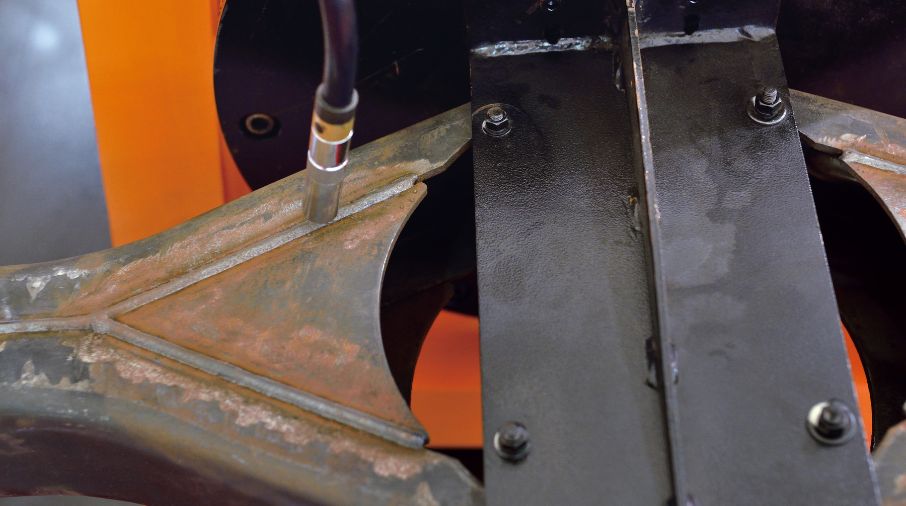
All these processes guarantee several benefits when preparing a surface before painting. The main one is paint adhesion, since performing these processes well ensures more effective and durable paint adhesion, as well as preventing peeling and other defects that could hinder the long life of the metal.
Another benefit is corrosion prevention, as these processes help remove contaminants that accelerate this process in metals. Applying these products creates a protective barrier against corrosion, increasing the durability of chassis and housings.
Finally, another important benefit is that carrying out these processes contributes to a smoother and more uniform finish, making the final appearance of the paint job more attractive. Removing imperfections and applying appropriate coatings can significantly improve the visual quality of the vehicle.
Therefore, we can conclude that performing chemical procedures in the preparation of chassis and bodywork before painting is more than necessary if you are seeking superior quality in the finish of your vehicle. However, these processes must be carried out safely and, if in doubt, you should always seek the opinion of a specialist.
Did you like this post? Share it with your friends or on social media. For more tips on painting and its equipment, visit our blog with exclusive content.