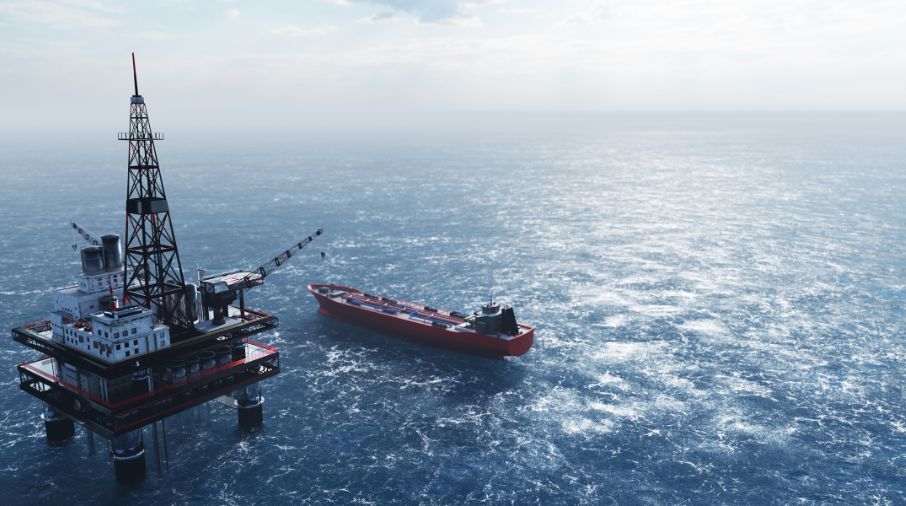
The industry offshore This refers to all economic activity that takes place on the high seas and is therefore strongly linked to activities such as oil and gas exploration and production, the construction of platforms for these activities, subsea installations, naval maintenance and repair services, as well as the painting of ships, platforms and other structures.
In this context, the painting of ships and other maritime structures plays a crucial role in preserving and protecting these structures against the corrosive effects of saltwater and weathering, as well as providing a better aesthetic appearance.
In this way, the painting processes offshore These processes require special techniques and materials, largely due to the more aggressive environment and adverse conditions found on the high seas. Below we will explain how to choose the best painting process. offshore, How it is made and its main benefits in preserving ships and platforms.
Benefits
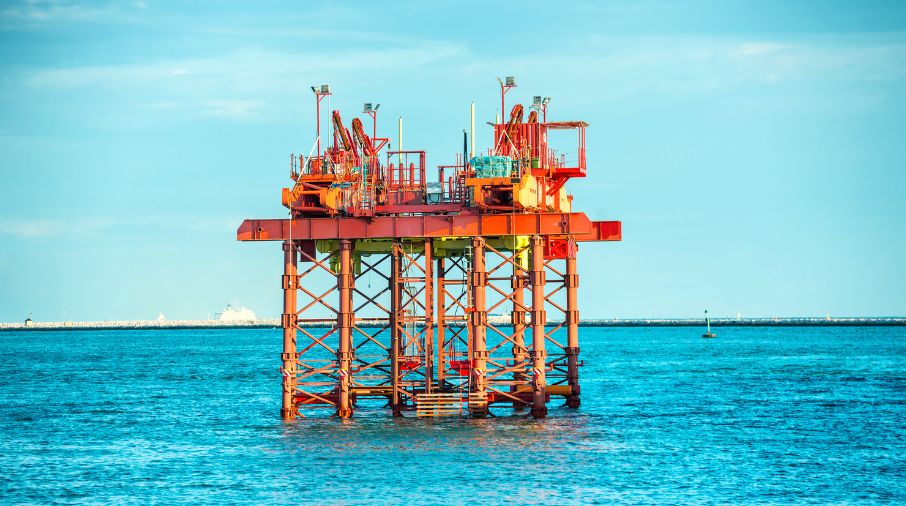
The painting offshore It offers several benefits that are essential for maritime structures, ships, and oil platforms. Some of the main benefits include:
Corrosion protection
Painting ships and platforms provides a protective barrier that helps prevent corrosion caused by continuous exposure to saltwater and other corrosive elements of the marine environment. This practice increases the durability of the structures, extending their lifespan and reducing the need for frequent maintenance.
Improved operational efficiency
Maintaining a painted surface can facilitate operations, improve work efficiency, and ensure a safer environment for workers. Painting offshore It is designed to withstand harsh environmental conditions, such as climate change, temperature variations, and exposure to chemicals present in the marine environment.
Aesthetics and identification
Painting not only protects but also contributes to the overall aesthetics of structures. Furthermore, it can be used to identify and demarcate specific areas for various purposes, such as safety and navigation.
Choice of process and treatment
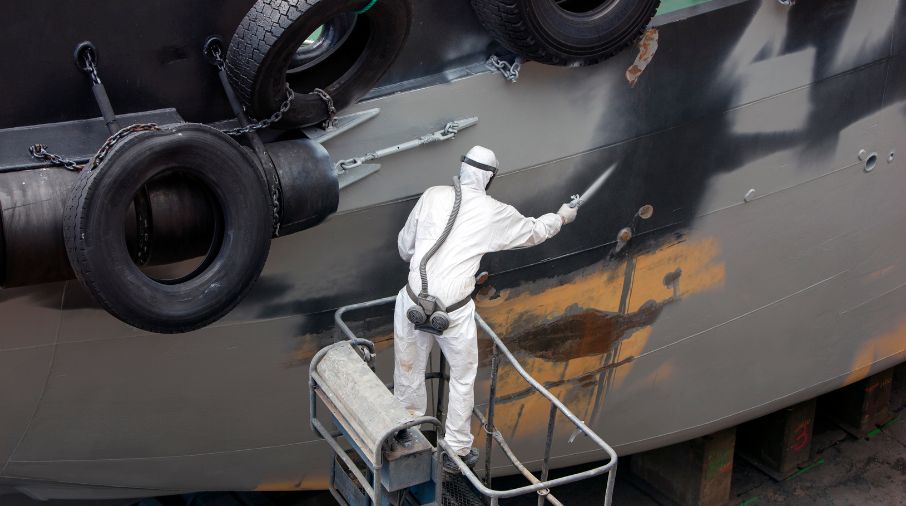
Choosing the right painting and treatment process for the industry. offshore It depends on several factors, including the type of substrate, environmental conditions, structural characteristics, and specific project requirements. Here are some steps that can guide you in selecting the appropriate painting process:
Substrate evaluation
The first step in choosing the painting process offshore The correct approach is to assess and understand what material will be painted (steel, aluminum, wood, etc.). Different materials require different surface preparation methods and even specific paints.
Analysis of the marine environment
Another important point to consider is environmental conditions, since exposure to salt water, strong winds, intense sunlight, and large temperature variations can influence the choice of both paint and maintenance cycle.
Regulatory requirements
Not only must the materials of ships and structures be considered, but the surrounding marine environment must also be preserved; therefore, it is necessary to verify the specific regulations and standards for the industry. offshore. Therefore, there are standards that define the minimum requirements for corrosion protection in marine structures.
Therefore, assessing the environmental impact of the chemicals used in painting is essential; thus, paints and methods that meet environmental standards should be chosen. Consulting marine painting specialists and coating providers can provide valuable information on best practices and the latest technologies.
How is offshore painting done?
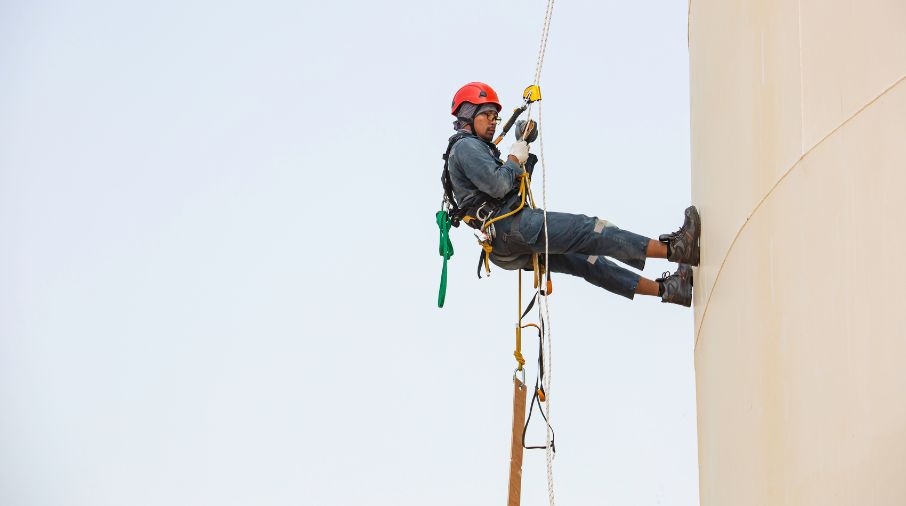
THE painting offshore The following is a series of crucial steps to ensure the effectiveness of corrosion protection. Here are the main steps, taking into account surface preparation, paint application, curing, and maintenance:
Surface preparation
Before any painting process, the first step should be a visual inspection of the structure to identify damaged areas, corrosion, and other problems that will require special attention.
After this initial stage, the surface is prepared by removing contaminants such as dust, grease, oil, and salt, for example. This cleaning can be done in two basic ways: by mechanical methods (such as abrasive blasting, for example) or chemical methods (using specific chemical products for this type of cleaning).
Paint application
Applying the paint is, obviously, one of the most important parts of painting. offshore, However, before you start painting, you need to choose the ideal paint:
Ink Selection
The choice of paint will depend on the material being painted and the type of environment it will be subjected to. Alkyd paints (which are produced using a synthetic resin) and polyurethane-based paints are suitable for painting elements that are in contact with the atmosphere, offering protection against corrosion caused by weathering (winds, heavy rain, and others), as well as sea air, which increases the oxidation of metal structures.
Epoxy paints (based on epoxy resins, responsible for creating a waterproof and adherent film) are recommended for immersion environments, as they provide effective protection against corrosion caused by saltwater and aggressive chemicals found in the oceans.
Finally, acrylic paints are recommended for the wooden components of these structures, as they provide good adhesion and durability on more porous surfaces.
Application Method
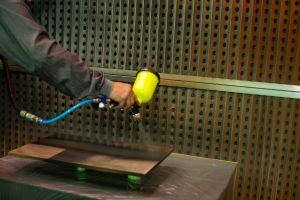
The application method will depend on the composition, size, or structure being painted. For large areas, such as ship hulls, for example, more efficient methods are recommended, such as... paint pumps high performance.
Ink curing
After application, the paint needs to go through a drying period, during which the solvents evaporate and the paint film forms a solid layer; however, some paints may require an additional curing process to achieve their final properties.
This curing process may involve exposure to air, UV light, or heat, contributing to the formation of a completely solidified and durable surface. Therefore, drying time and the curing process are essential steps in the paint application cycle, directly influencing the quality and effectiveness of the protective coating.
Inspection and maintenance
After drying, the structure is visually inspected to ensure that the paint has been applied evenly and that there are no defective areas. In addition to visual inspection, non-destructive tests, such as ultrasound, are performed to verify the integrity of the paint and identify possible underlying problems, such as hidden corrosion.
These testing techniques contribute to a more comprehensive assessment of the structure's condition; however, to ensure the continued durability and effectiveness of the anti-corrosion protection, regular maintenance programs are established. These programs include repainting worn areas, repairing damage identified during inspections, and renewing the protective layer as needed, ensuring the structure's integrity over time.
Did you like this post? Share it with your friends or on social media. For more tips on painting and its equipment, visit our blog with exclusive content.