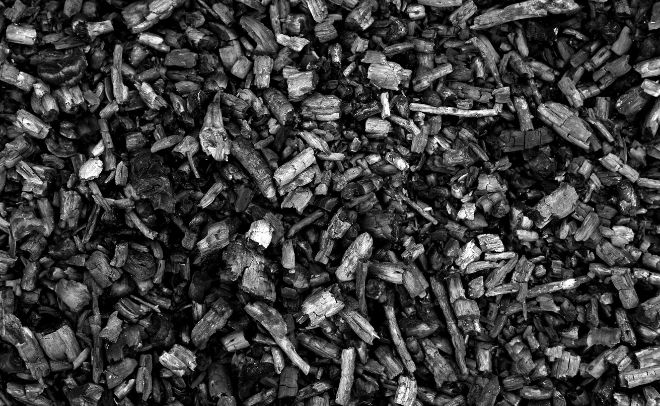
Have you ever heard of activated carbon filters and what their importance is in retaining toxic substances resulting from painting processes?
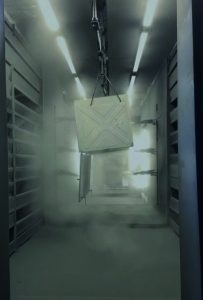
Paint booths are structures designed not only to provide the painter with a suitable environment to perform the work, as they prevent the entry of impurities that could damage the paint job, but also to prevent VOCs, or Volatile Organic Compounds, resulting from the evaporation of solvents, from being released into the environment.
Paint booths can only operate effectively with the presence of appropriate filters, such as those that protect the interior of the booth from the entry of particles and those that filter contaminated air at the exhaust. Let's learn how this works next. activated carbon filter And what is the importance of replacing and maintaining them?.
How does activated charcoal work?
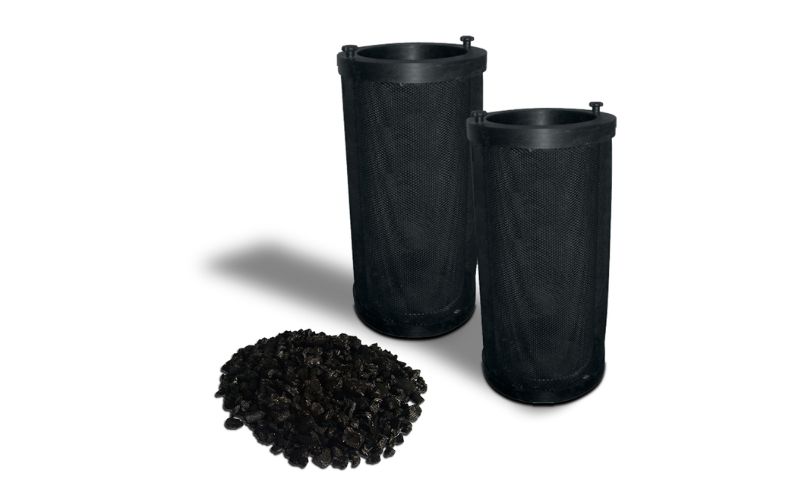
The properties of charcoal have been known to humankind for thousands of years. Egyptians and Sumerians already used charcoal as a preservative because of its antibacterial properties. However, in recent years its use has been gaining ground not only in water filtration, but extending to other areas.
The secret of activated charcoal lies in its absorptive property, meaning that it retains toxic substances present in water and air with great efficiency. Because of these unique properties, activated charcoal has the ability to clarify, deodorize, and purify on a large scale.
This happens because activated charcoal is not just ordinary charcoal, like the kind used in barbecues; it's charcoal prepared for this purpose through micro-spraying, meaning that carbon atoms mix with oxygen, making it a hundred times more porous than regular charcoal.
But why is this important? Because it is precisely to these pores that toxins are attracted and retained. Similarly, the fact that activated charcoal does not absorb water makes its properties even more important.
How the activated carbon filter works in the cabin.
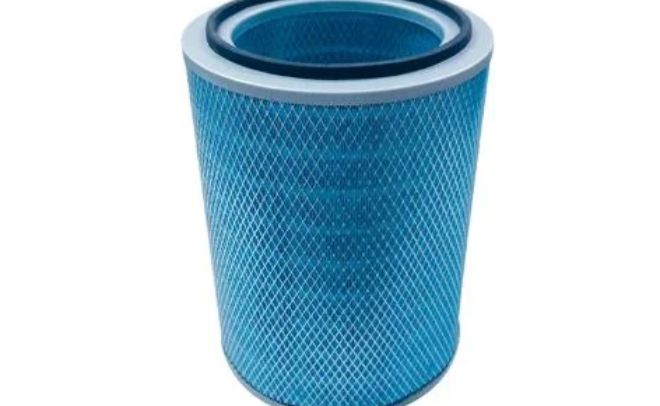
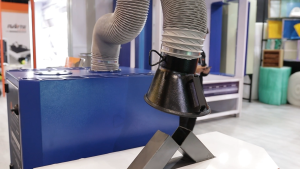
Most often installed in dry paint booths, the activated carbon filter It is present in the paint mist exhaust stage. Its function is to capture and neutralize particles resulting from solvent evaporation, ensuring a healthier environment for workers in various industrial sectors.
The use of activated carbon filters is a requirement for industrial processes that utilize dry paint booths. Therefore, it is mandatory for companies in various sectors to adapt their operations to the labor and environmental legislation of the regions where they are located.
It is important to emphasize that the potential of its pores is limited, as they lose their filtering capacity once filled. Therefore, regular filter replacement is recommended to maintain filtration and air quality.
Did you like this post? Share it with your friends or on social media. For more tips on painting and its equipment, visit our blog with exclusive content.