Learn how to eliminate bubbles and defects in automotive paint with this complete guide. Discover the causes, step-by-step correction, and prevention tips for a perfect finish. Eliminate bubbles and defects in automotive industrial paint It is crucial to ensure a high-quality finish and avoid high rework costs. In production environments, even minor flaws can quickly escalate into significant losses and compromise reputation. This detailed guide to... troubleshooting The finishing touches will address identifying the root causes, a step-by-step method for correction, and strategies for adjusting processes to prevent future problems.
Main causes of bubbles and pinholes in automotive paint.
- Surface contamination: Residues, dust or oiliness;
- Trapped moisture: Water or moisture in compressed air;
- Inadequate solvents: Use of solvents that are not compatible with the ink;
- Accelerated healing: The ink dried very quickly;
- Excessive application: Very thick layers in a single coat;
- Cleaning failures: Insufficient cleaning between process steps;
- Improper use of additives: Improperly dosed or incompatible additives.
How to prepare surfaces and primer to prevent defects in automotive paint.
- Thorough degreasing: Use a specific automotive degreaser, avoiding generic products that may leave residue;
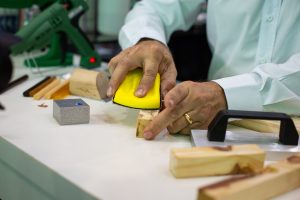
- Gradual sanding: Remove corrosion spots, loose layers, and poorly adhered old repaints;
- Post-sanding cleaning: Clean the surface with a lint-free cloth and appropriate solution, ensuring complete evaporation before application. primer;
- Primer application: Use primers Recommended for the paint system and metallic substrate, respecting the film thickness and drying time. flash-off Between coats.
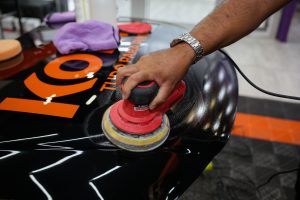
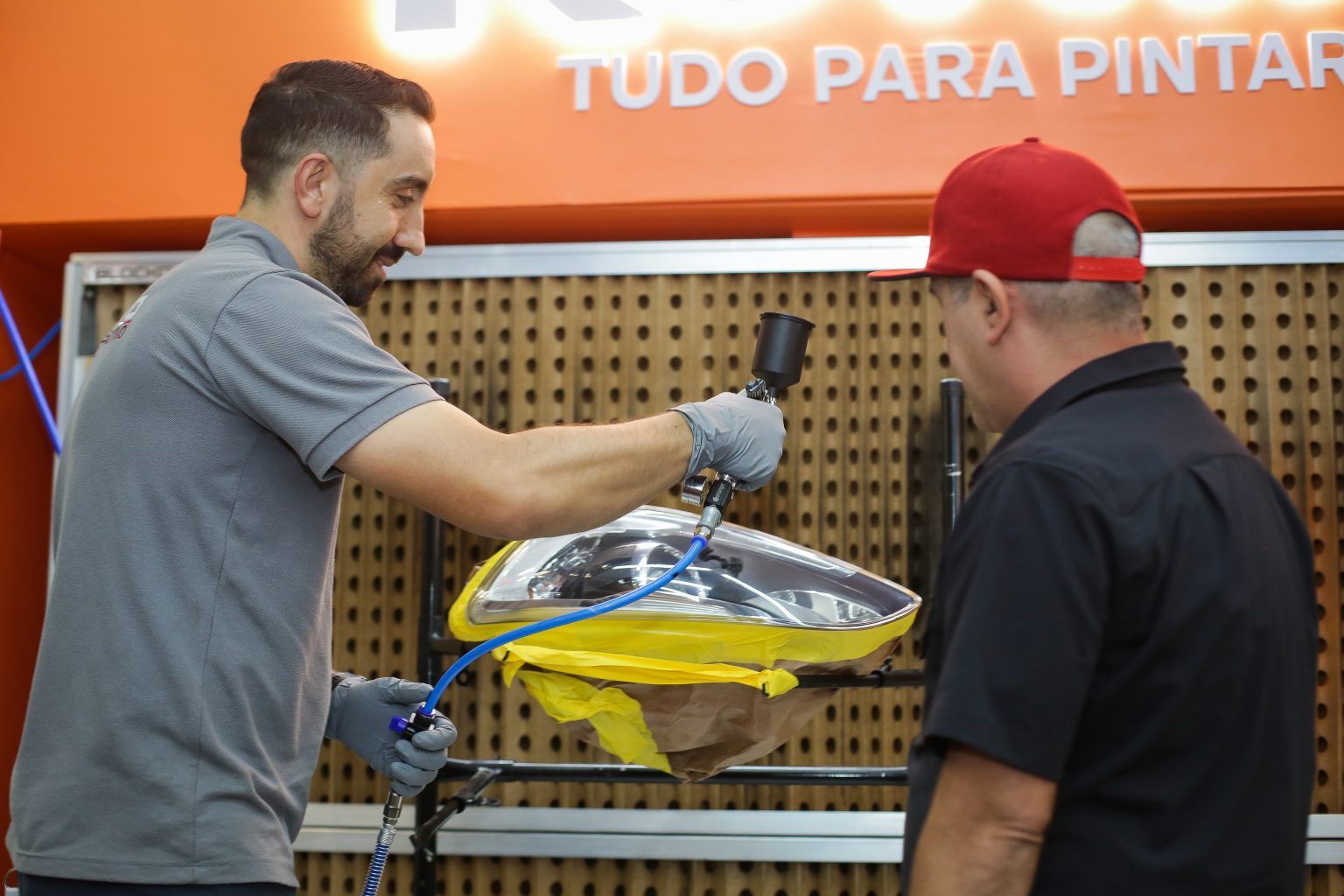
Gun adjustments and parameters to avoid bubbles and orange peel.

Step-by-step guide to correcting existing finishing defects.
- Diagnosis: Assess the depth of the bubble or crater to determine if the problem is in the varnish, the base, or the... primer;
- Localized sanding: For small areas, perform a light sanding with fine grit sandpaper, slightly expanding the surrounding area to level the surface;
- Complete removal: For more severe defects, remove the entire affected layer down to a stable substrate and repeat the preparation cycle., first and finishing;
- Suitable products: Use Best anti-bubble products and additives for automotive paint. Recommended by the ink system, avoiding mixing brands without guaranteed compatibility;
- Technical polishing: Finish with a technical polish after the indicated curing time, correcting small sanding marks and restoring shine;
- For vehicles already in use, consider a professional service. automotive paint restoration against blistering. to maintain the original factory standard.
Conclusion
Master How to eliminate bubbles and defects in automotive paint. This requires problem assessment, surface preparation, and precise equipment adjustments. When employing a checklist of troubleshooting, By selecting appropriate products and leveraging technology, you will minimize rework and ensure a factory-quality finish. KORIA offers technical solutions and specialized support for automotive companies seeking to improve the quality of their industrial painting. Explore KORIA's services to optimize your processes and implement practices that prevent defects before they arise.
Do you feel your painting process is evolving? Achieving excellence in automotive finishing requires more than just technique; it demands a mindset of continuous improvement and the adoption of intelligent processes. See how to elevate your industrial painting today. Speak to our experts..