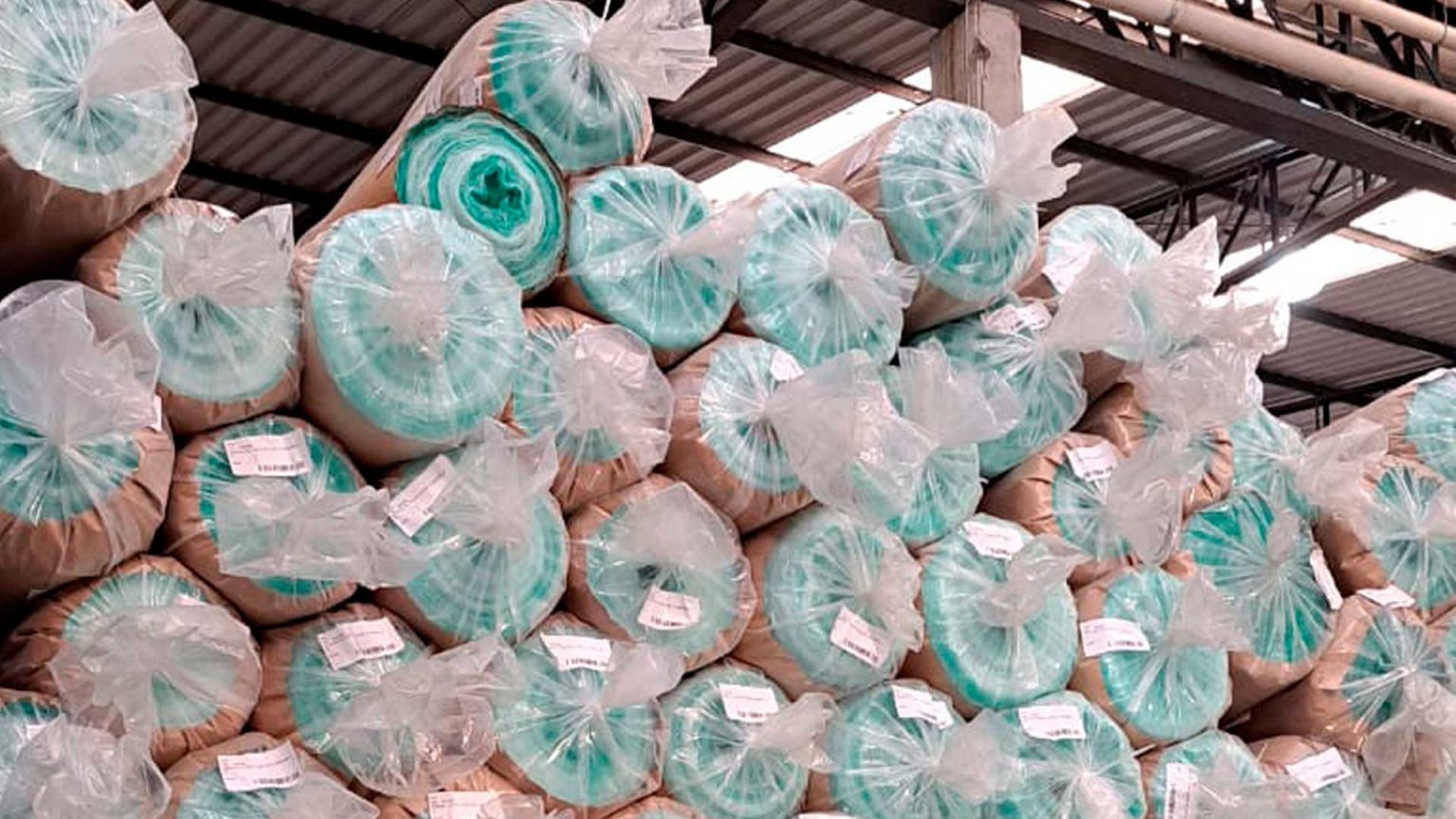
Industrial filtration plays an essential role in various sectors, ensuring product and process quality, equipment protection, and worker safety. Industrial filters are widely used in applications involving liquids, gases, and even microscopic particles, allowing for the efficient removal of impurities, contaminants, and unwanted particles.
Proper classification and selection of industrial filters are critical tasks for the success and efficiency of any production process. Choosing the right filter is crucial to ensuring the quality of the final product, optimizing operations, reducing operating costs, and minimizing environmental impact.
In this article, we will explore the main steps and considerations involved in the classification and selection process of industrial filters. We will see how to understand the specific filtration requirements.
Understand the filtering requirements.
Particle size
The first step is to identify the maximum and minimum particle sizes that need to be removed by the filter. This identification is crucial when choosing a filter, as it needs to have an appropriate retention capacity.
Fluid flow rate
Next, it is necessary to determine the rate of the fluid (whether air, liquid, or gas) that will be filtered. This information is crucial to ensure that the selected filter has the correct capacity to handle the volume of fluid to be treated.
Acceptable contamination levels
Another important step is defining the tolerable contamination levels in the final product or process. This definition will help in choosing a filter with the necessary efficiency to achieve the desired cleanliness.
Operating conditions
Finally, it is necessary to consider the environmental conditions, such as temperature and pressure, that the filter faces during operation. This data is relevant because it ensures that the filter is robust enough to withstand the imposed conditions.
Assess the compatibility of the materials.
It is important to check that the filter materials, such as the filter element, filter body, and connections, are compatible with the fluid being filtered. For example, some chemicals can corrode certain materials, compromising the filter's effectiveness.
Consider the filtration efficiency.
Filtration efficiency is measured by the filter's ability to retain particles of a given size. The filter efficiency rating is usually provided by the manufacturer, indicating the percentage of particles retained in different sizes.
Check the flow capacity.
Another important factor to consider is flow capacity. Flow capacity is the amount of fluid the filter can process in a given period of time. It is important to ensure that the selected filter meets the flow requirements of the application.
Take into account the ease of maintenance.
Any filter, regardless of type, requires frequent maintenance, which can increase operating costs and interrupt the production process. Choose a filter that is easy to maintain, whose filter elements can be easily replaced, and that meets the technical specifications of the production in question.
Consult the applicable rules and regulations.
In some industries, such as pharmaceuticals and food, there are strict standards governing filtration and product quality, so check that the selected filter complies with the relevant standards.
Seek guidance from experts.
If you still have doubts about choosing the most suitable filter, it is highly recommended to consult industrial filtration specialists or reliable filter suppliers. They can offer customized guidance based on your specific needs.
Remember that industrial filtration is a critical part of many processes and systems, and choosing the wrong filter can lead to operational problems, loss of efficiency, and even health and safety risks. Therefore, investing time in classifying and selecting the right filter is an important decision for the success of your industrial application.
To learn more about industrial painting and other content on painting and finishing, visit the rest of our blog, always with new and exclusive content.