In large industries, manual painting can present significant challenges throughout the production process. Besides requiring a substantial amount of skilled labor, this process is prone to inconsistencies in application, resulting in rework and waste.
Automated painting emerges as a strategic solution to address these challenges. With programmable and precise systems, automation ensures uniform application and reduces errors, eliminating waste and the need for rework.
In this way, productivity increases because the operation is continuous without pauses, allowing for greater flexibility in production. Furthermore, by removing operators from the application line, health risks decrease, improving workplace safety and reducing costs associated with absences and protective equipment.
Next, we will list the main benefits of automated painting in the industry, such as increased productivity and quality, reduced costs, and operational flexibility.
Increased productivity
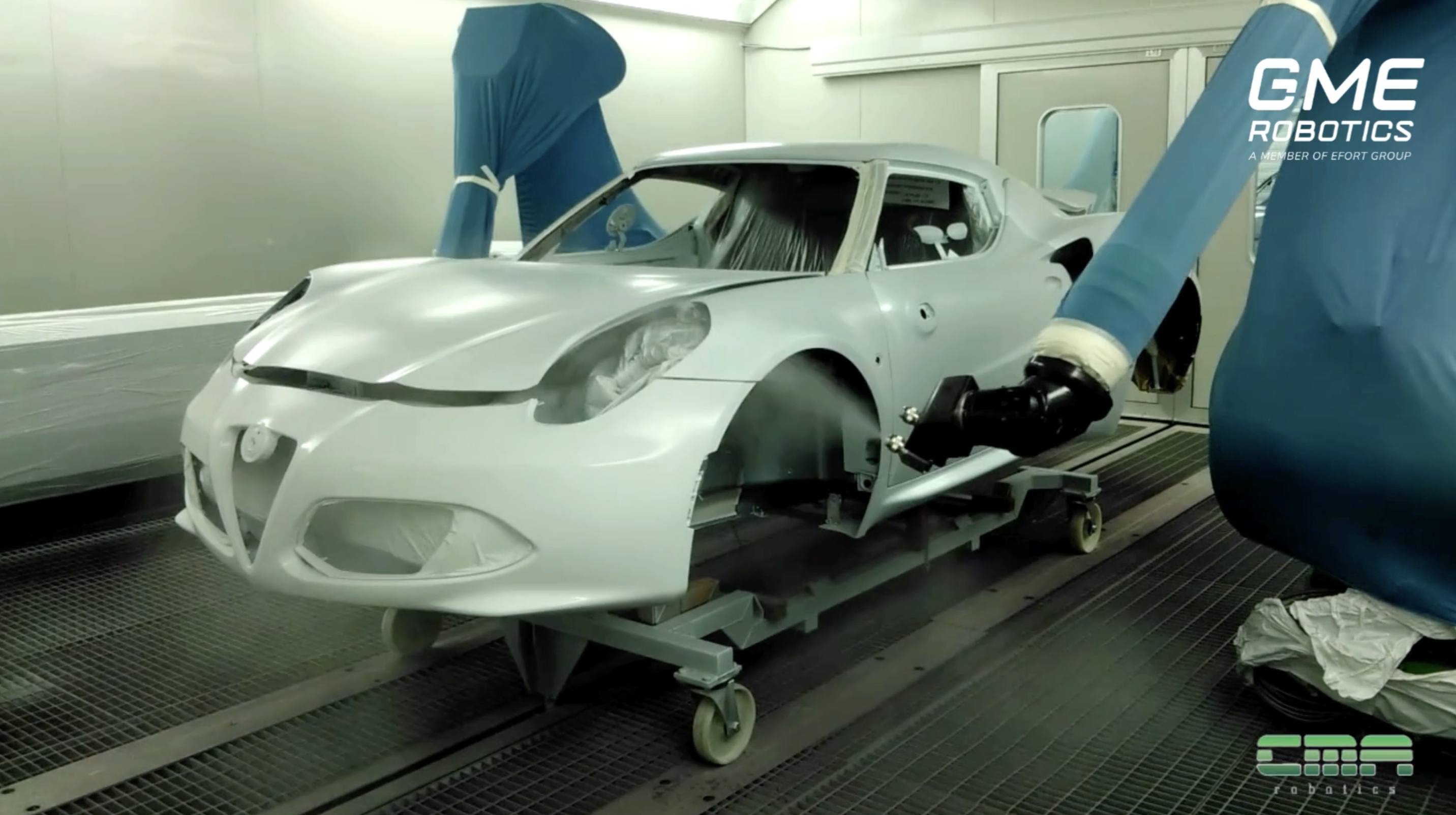
Automated painting provides greater agility to the production process, reducing obstacles and improving the overall flow on production lines. This is because it relies on automatic systems that work continuously and precisely, avoiding pauses and periods of inactivity.
Another important feature is that these systems allow for quick and more efficient setups, since color or parameter changes can be programmed and optimized, minimizing interruptions.
Implementation examples
Automotive sector
Large automakers, such as Toyota and General Motors, have adopted painting robots in their production lines, which has allowed for a significant reduction in paint application time and greater uniformity in the coating layers.
Home appliances sector
Manufacturers of cutting-edge products, such as LG, have implemented automated solutions for painting metal and plastic components which, in addition to contributing to greater agility, have enabled scalable manufacturing with shorter lead times and less material waste.
Painting of metal structures
Companies that manufacture large structures, such as transmission towers and industrial equipment, have also adopted automated painting. With this technology, production time has been considerably reduced, and the need for rework has dropped significantly due to the precision in paint application.
These examples illustrate how automation transforms painting into a more efficient process, benefiting both continuous production and industries that work with large parts or products on demand.
Quality improvement
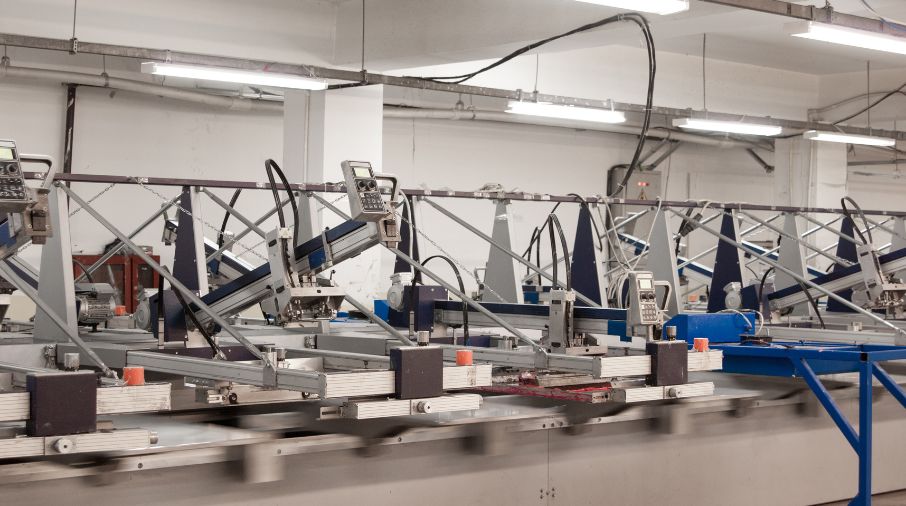
Automated painting improves the uniformity and precision of the process, ensuring a superior finish and reducing common errors in manual operations, such as coverage failures and thickness variations.
Automated systems apply the exact amount of paint, eliminating inconsistencies caused by human factors. The technology controls spray pressure and distance, ensuring even coverage.
This uniformity not only enhances the product's appearance but also increases its durability, as a homogeneous layer protects against corrosion and wear. With fewer defects, the need for rework decreases, optimizing production.
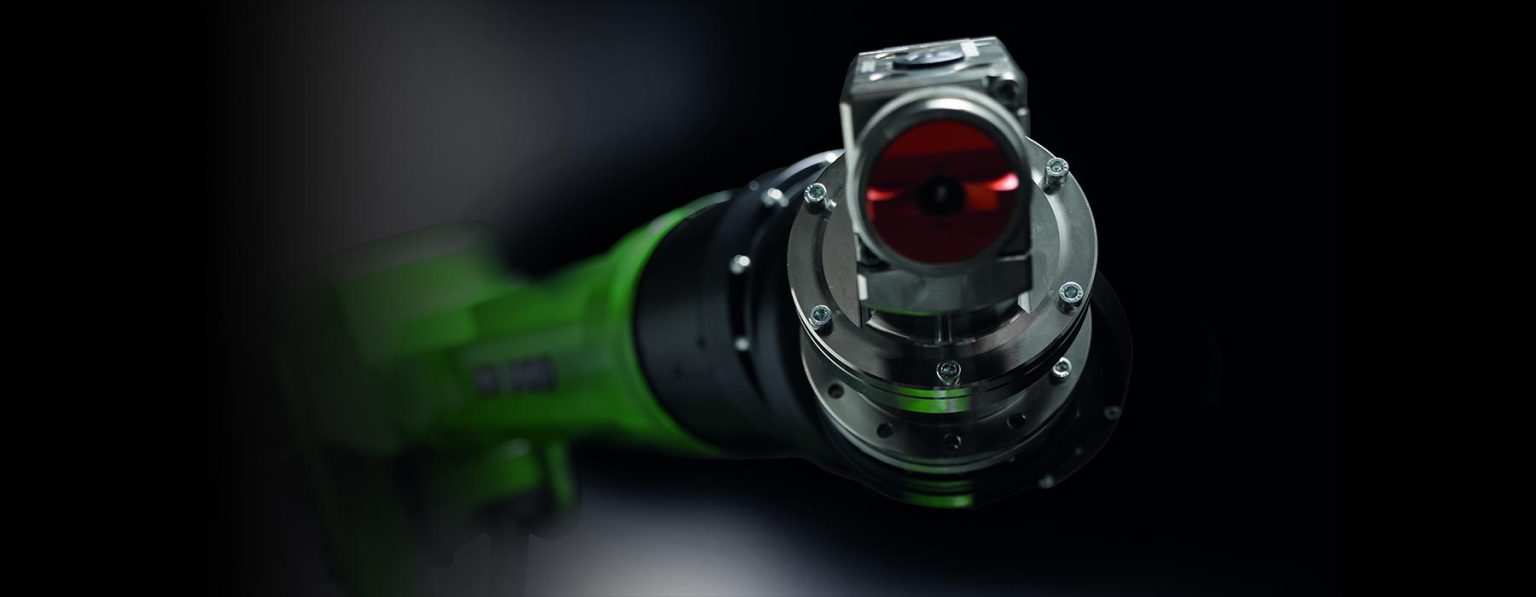
Painting robots reach corners and complex surfaces with articulated arms and programmable nozzles, ensuring perfect coverage in critical areas. Precise programming allows for controlled application without waste.
Cost reduction
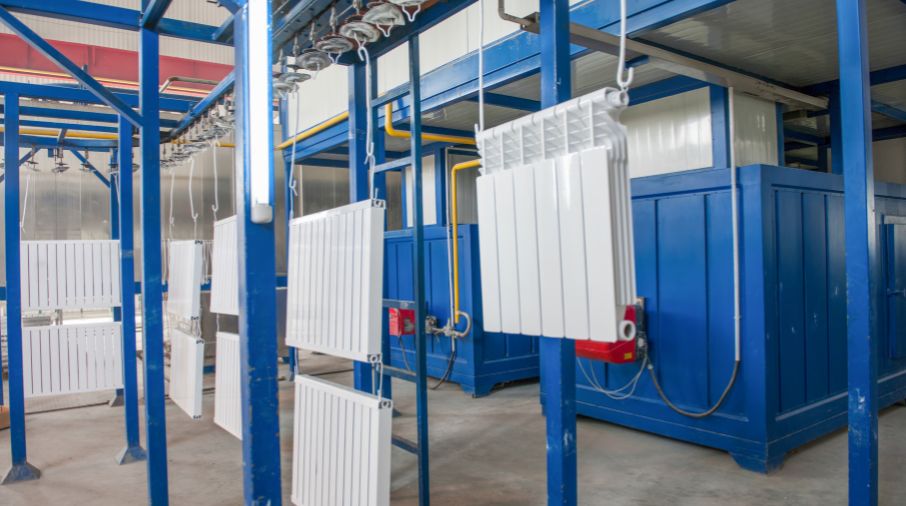
Automated painting offers several cost-saving opportunities by optimizing processes and reducing waste, which directly impacts operational costs, bringing greater competitiveness to industries.
Ink saving
Automation applies the exact amount of paint needed, adjusting pressure, flow rate, and spray angle, avoiding the waste common in manual painting. Recirculation and recovery technologies are also employed. overspray They further reduce consumption, making the process more sustainable and economical.
Less rework
Automated painting improves uniformity and precision, reducing defects and consequently the need for rework. This reduces the generation of defective products and optimizes the use of resources, keeping production costs low and avoiding financial losses. These savings make automated painting an advantageous solution from both an operational and strategic point of view, allowing industries to maintain high quality without compromising financial efficiency.
Workplace safety
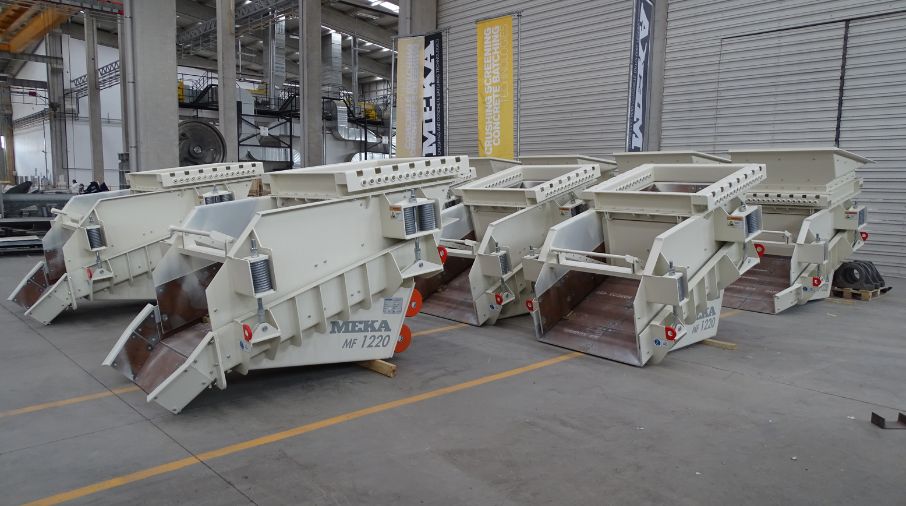
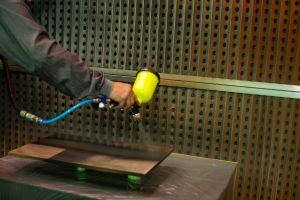
Automating the painting process improves occupational health and safety by reducing workers' exposure to hazards. Manual painting involves toxic solvent fumes, which can cause respiratory problems and dermatitis, even with the use of PPE (Personal Protective Equipment).
Applying chemicals to large parts or in inappropriate positions can lead to musculoskeletal injuries. With automation, robots perform the spraying, preventing workers from handling chemicals or being in environments with toxic fumes, thus affecting their quality of life and increasing the risk of absences due to health reasons.
Eliminating improper postures and repetitive strain allows employees to focus on less strenuous tasks, such as monitoring and maintaining equipment.
Flexibility and adaptability
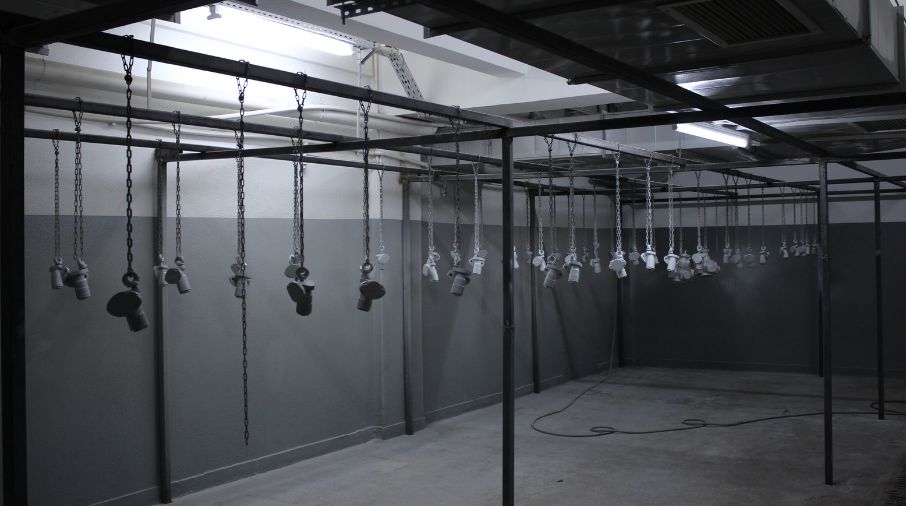
Automated painting systems are highly adaptable, offering an efficient solution for industries with different types and sizes of parts. This flexibility allows a single production line to handle a variety of products without major structural changes.
Robots can adjust parameters such as application distance and spray pattern, adapting to complex parts, from small components to large and irregular structures. They are also compatible with various types of paints and finishes, ensuring consistent results.
The robots' programming is intuitive, allowing for quick changes. Companies can create program libraries for different configurations, facilitating changes between vehicle models, for example, without prolonged downtime. For instance, on an automotive assembly line, the system can switch between painting different vehicle models with just a few programming adjustments, without the need for extended stops.
User-friendly interfaces and simulation tools aid in the creation and refinement of processes, enabling agile transitions between batches. This adaptability is crucial for industries that need to respond quickly to market changes.
Automated painting increases productivity with continuous operations and quick setups, reducing production time and improving workflow on industrial lines.
Aspersul specializes in special projects, creating paint lines specifically designed for each type of situation. To learn more about the various... cases For success in this area, visit our page about special projects For further assistance, or to speak with one of our specialists, they will surely find a solution for your painting and finishing problems. Did you like this post? Share it with your friends or on social media. For more tips on painting and its equipment, visit our website. blog, always with exclusive content.
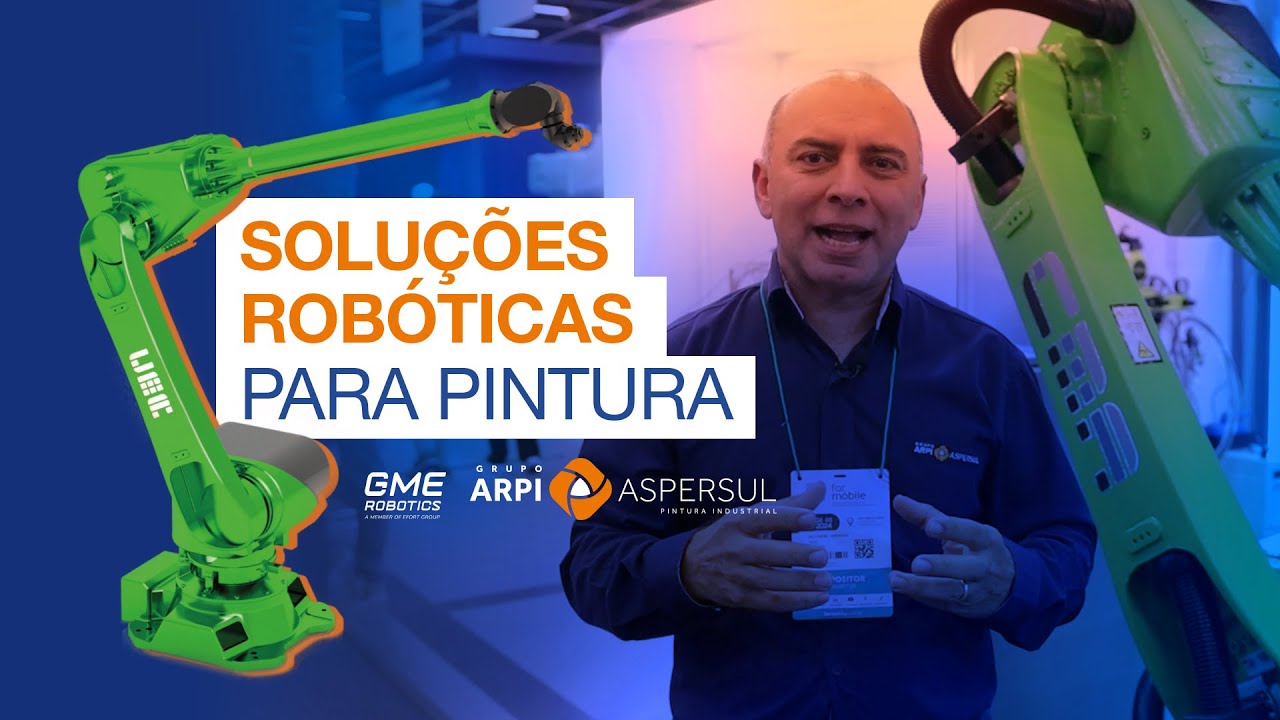
Check out our solutions in partnership with GME Robotics: